
Yoga Teacher Training
in Rishikesh, India
Experience real traditional yoga at the source. Limited seats per batch — reserve your spot today.
- ✓ 100, 200, 300 & 500 hour certified courses
- ✓ Stay, meals & materials included
- ✓ 7,000+ graduates from 80+ countries
 Yoga Alliance
 Google 4.8★
 Trustpilot 4.7★
Reserve Your Spot
 12 people enquired this week
You're all set — Namaste 🙏
Thank you, friend. Our team will reach out within 24 hours with your course details & dates.
Chat with us now on WhatsAppCheck your inbox — a confirmation email is on its way.


Begin Your Yoga Journey with Our Yoga School in Rishikesh, India
Practice Yoga with Meaning & Purpose

The archaeological evidence for Yoga dates back to 2700 BC, but if you look at it through the lens of spiritual phenomena, it is Lord Shiva, the Adiyogi, who imparted the knowledge of yoga to us. So is it also relevant to admit that we are all practising something that existed even before us? Curious right? When you experience yoga, you get all the answers to your questions.
We are amongst the best yoga schools in Rishikesh for yoga training, and the best part? We are a yoga alliance-certified yoga school with 16 years of teaching yoga ttc in Rishikesh. The course that you choose here can change the direction of your life. This is not just a certification that permits you to become a yoga teacher, but it is the knowledge, discipline & learnings you carry with you for decades to come. It is that wisdom you attain and the essence you inhale that shapes your credibility. If you are truly passionate about this, we are happy to welcome you to the most beautiful part of Rishikesh, our school. We will take care of you while you experience this inspiring transformation.
What is Yoga Alliance?
Yoga Alliance is one of the most recognised organisations for yoga teacher training standards worldwide. It establishes educational guidelines for yoga schools and teacher training programs to ensure high-quality yoga education. When students complete a Yoga Alliance-registered teacher training course, they receive a certification that is recognised internationally. This certification helps graduates pursue teaching opportunities worldwide and register with Yoga Alliance as a Registered Yoga Teacher (RYT).

Course Details & Booking Process
Application Process & Programs - Rishikesh Traditional Yoga School
If you are new to yoga, the 200-hour Yoga Teacher Training Course in Rishikesh is a strong and beginner-friendly foundation. It helps you understand the basics of asana, pranayama, and yoga philosophy in a structured way. As you progress, the 300-hour and 500-hour Yoga Teacher Training Courses (TTC) offer more advanced learning, deeper practice, and a refined understanding of teaching methodology.
Fill in the application form
Help us understand your story and the motivation behind joining this course.
Pay & reserve your spot
Reserve your spot with a $220 USD deposit, and pay the rest at the venue.
Get assistance from us
Once registered, our team helps you at every step, from arrival to settling in.
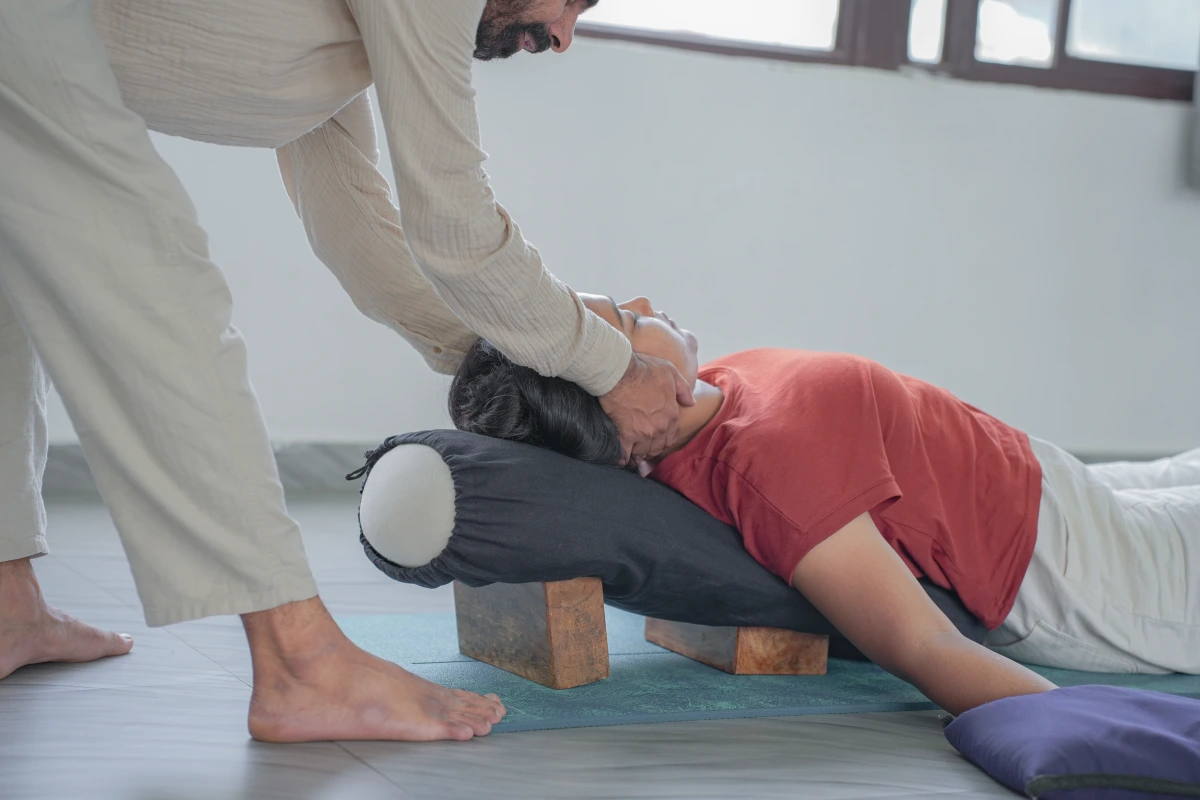
200 Hour Hatha, Ashtanga Vinyasa Flow & Yin Yoga TTC
Build strength, flexibility, and confidence through Traditional Hatha, Dynamic Vinyasa Flow, and Yin Yoga.

1st Of Every Month

Beginner Level

24 Days
549 USD
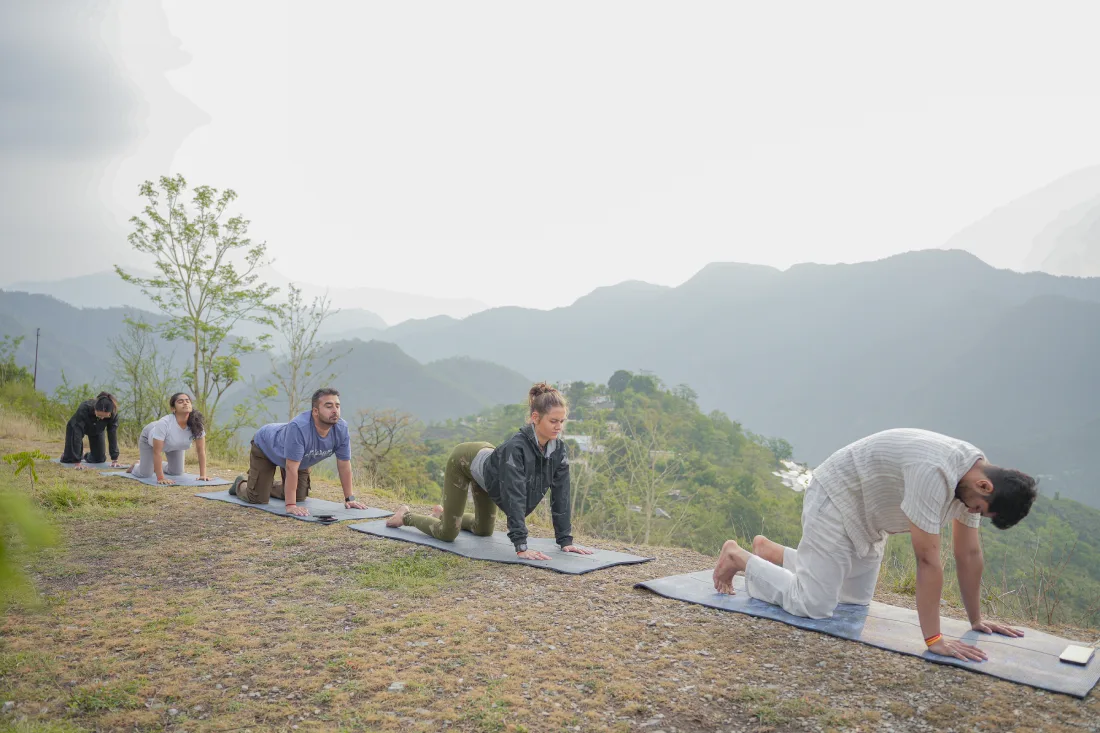
300 Hour Yoga Teacher Training in Rishikesh
Deepen your yoga practice, refine your teaching skills, and take your yoga journey to the next level in rishikesh, India.
1st Of Every Month
Intermediate Level
28 Days
699 USD
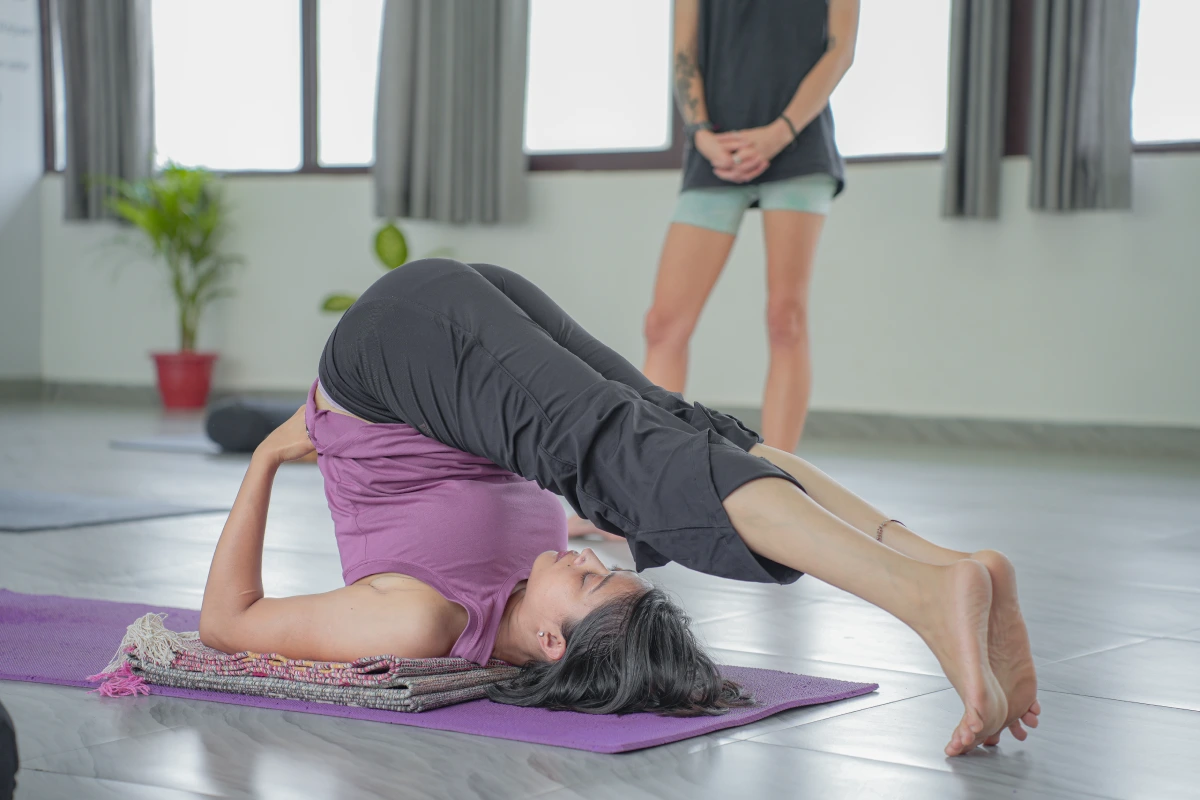
500 Hour Yoga Teacher Training in Rishikesh
Master advanced yoga practices and develop the expertise needed to become a confident yoga teacher.
1st Of Every Month
Advance Level
52 Days
1248 USD
What's Included in the course
Comfortable Accommodations For Your Yoga Journey
Comfortable stay and nourishing meals play an important role in creating a positive learning experience. At Rishikesh Traditional Yoga School, we provide clean accommodation and freshly prepared meals to support students throughout their training. Our peaceful environment allows students to focus on their practice, studies and personal growth without distractions. Rooms are designed to offer comfort and relaxation after a full day of classes, while our freshly prepared meals help maintain energy and well-being. Together, our accommodation and food services create a supportive atmosphere where students can fully immerse themselves in the yogic lifestyle and training experience.
Free Yoga Equipment
25 Nights Accommodation
Free WiFi
2nd - 28th of each month
3 Vegetarian Meals Everyday
Free Dehradun Airport Pick-Up
Yoga Kitbag
Yoga Alliance Certificate
24 Hours Hot Water
8 hours long classes
Excursion of Rishikesh
Classes at Ganga Beach
Study Materials
Cultural Program
Help for Shopping in Rishikesh
Fire Ceremony
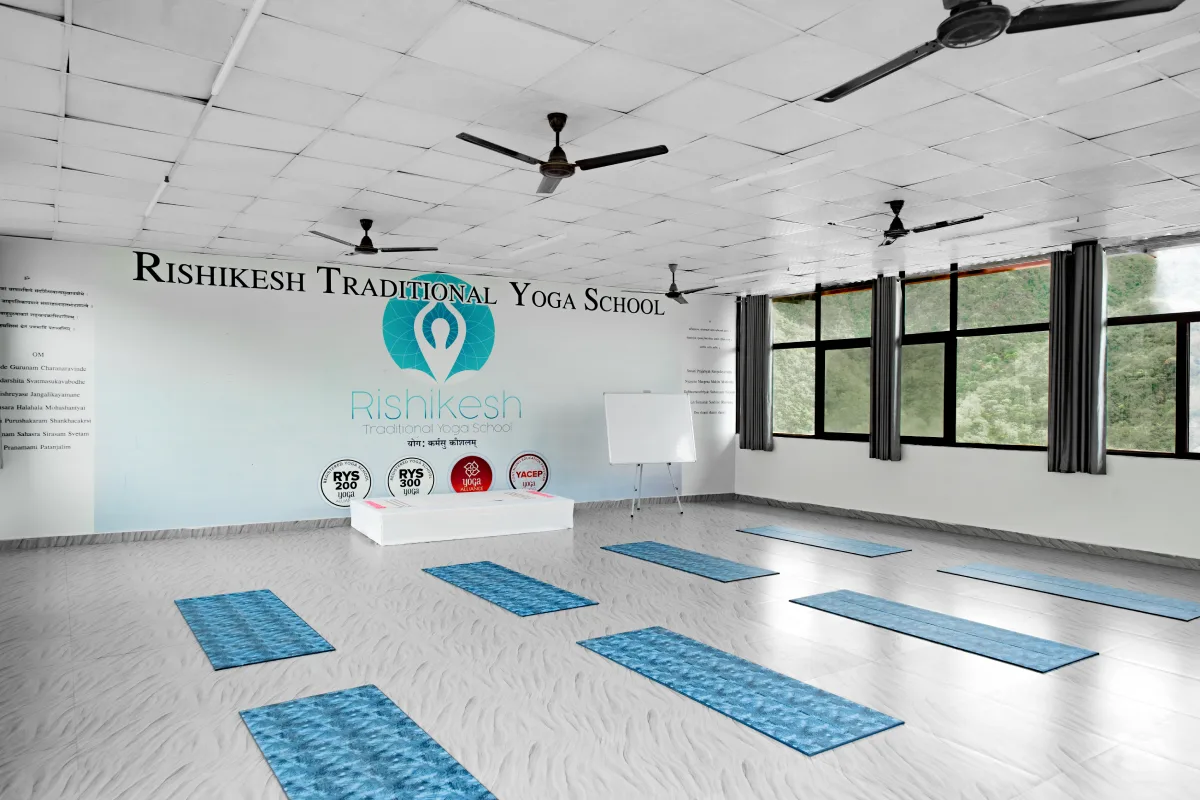











Time Table of Our Yoga Teacher Training Course
Schedule for 200-Hour Yoga Teacher Training in Rishikesh
This is a 23-day course in which you learn Hatha and Ashtanga Vinyasa Yoga under a 200-hour yoga teacher training program. The course runs from Monday to Saturday. Sunday is a holiday, and we take students on excursion programs in the heart of Rishikesh.
You enjoy a beautiful sunrise by the hills and then go river rafting in the Ganges, explore the Beatles Ashram, along with cave and temple visits. Breakfast, lunch, and dinner are also part of the schedule, and we advise you to follow the recommended timings to avoid any disturbance. You can check the day-wise schedule below, and each class in this schedule is thoughtfully timed to avoid burnout. We don’t want students to feel exhausted during the classes. That is why we have maintained a smooth, consistent flow throughout your day.
Yoga Sadhana
Ashtanga Yoga
Yoga Anatomy
Lunch
Yoga Philosophy
Dinner
Pranayama and Meditation
Breakfast
Yoga Alignment & Adjustment / Teaching Methodology
Self Study
Classical Hatha Yoga
Ganga Beach Meditation (Self)
World Capital of Yoga, the City of Rishikesh
Curriculum for 200-Hour Yoga Teacher Training in Rishikesh
Since this course is a 200-hour Hatha Ashtanga Vinyasa Yoga Teacher Training course, you can expect asana practice, pranayama, yoga philosophy, anatomy & physiology, sequencing & practicum, meditation & mindfulness, and shatkarma classes (basic cleansing techniques). These classes are well-structured and organised, and you will also learn mudras & bandhas, mantra chanting, along with knowledge of Ayurveda and teaching methodology. There is a proper schedule designed to balance everything in the course without making you feel exhausted or overburdened. You will learn from different teachers and experience their diverse teaching styles for every subject, making it more interesting for students.
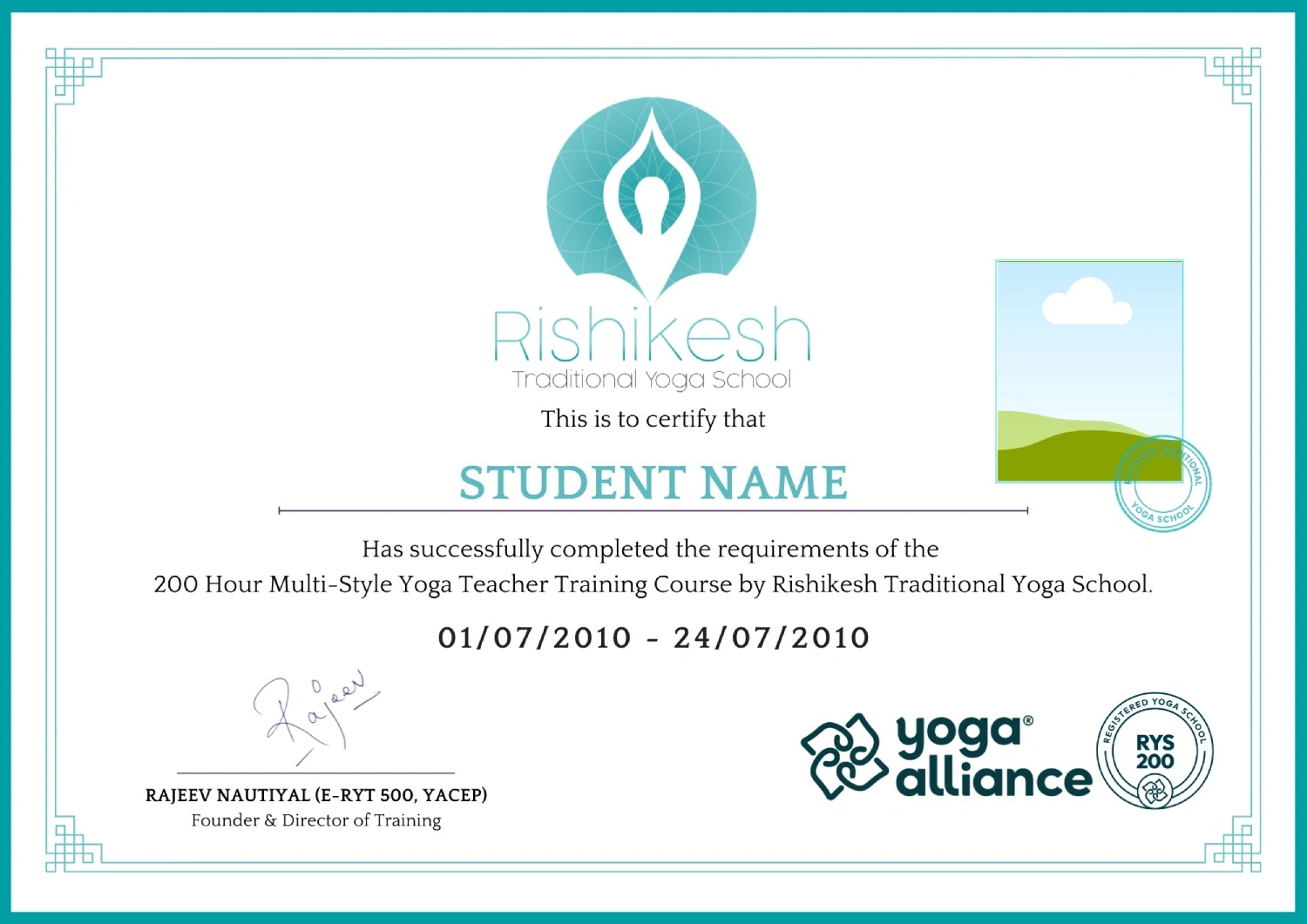
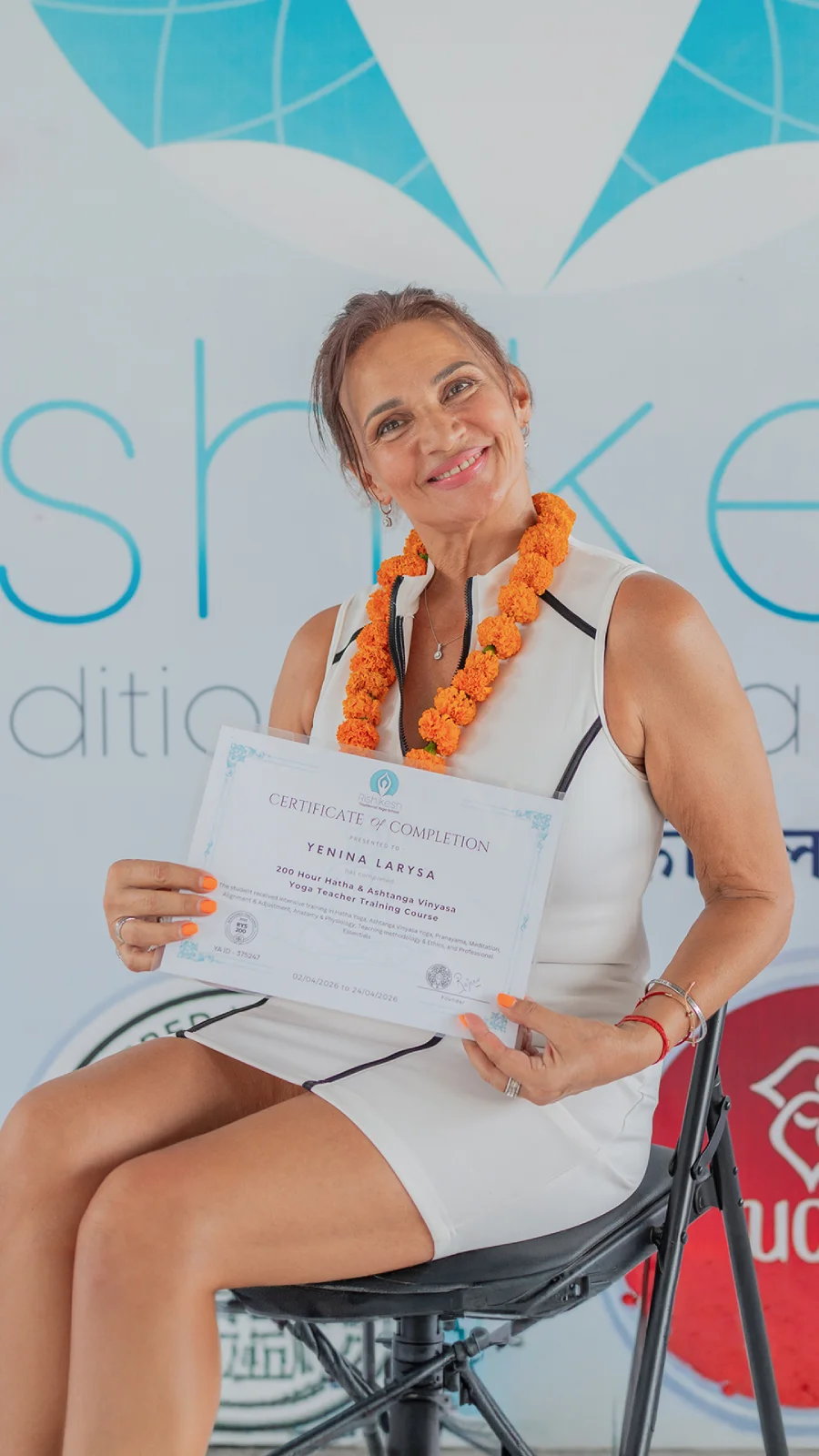
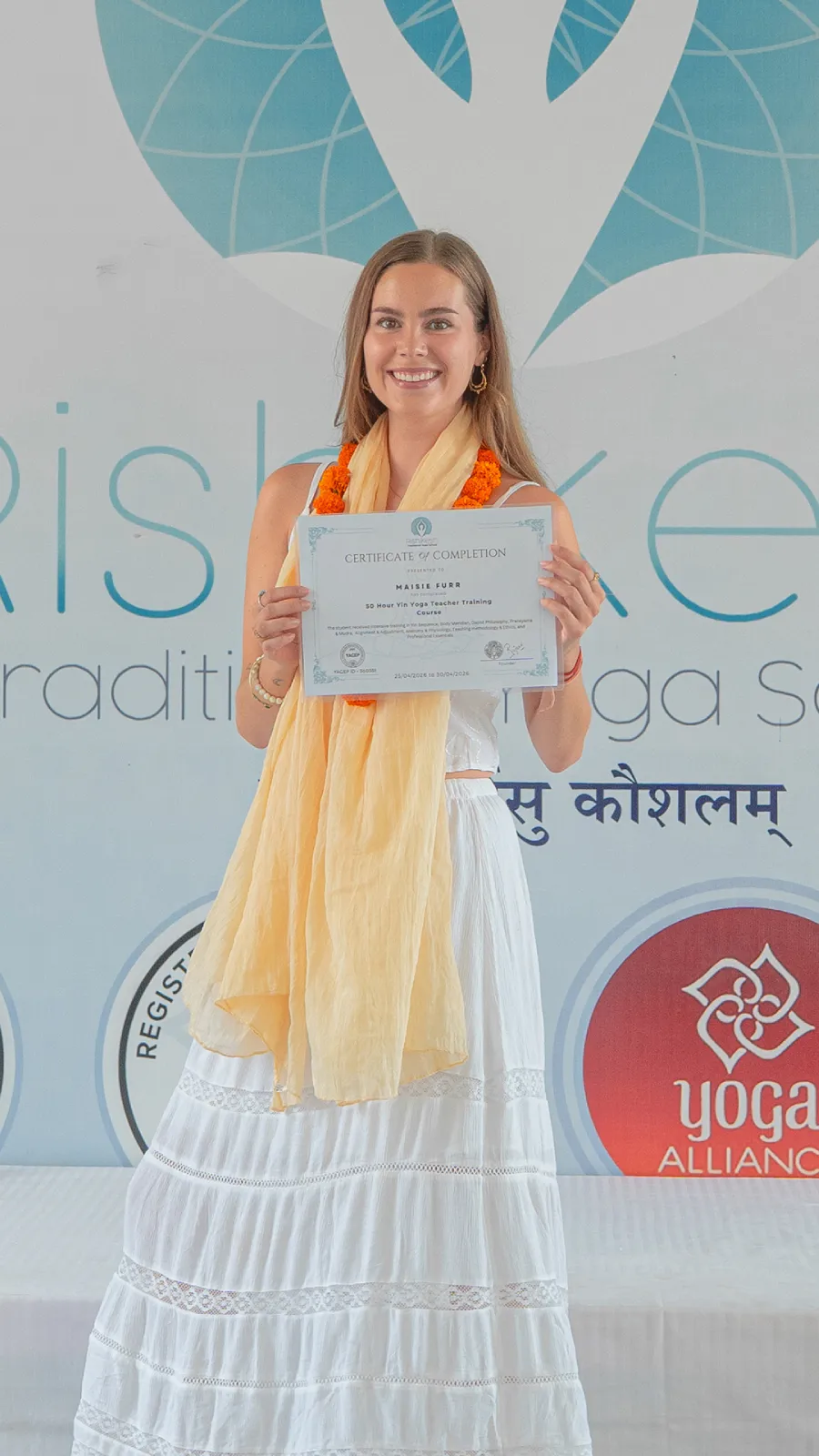
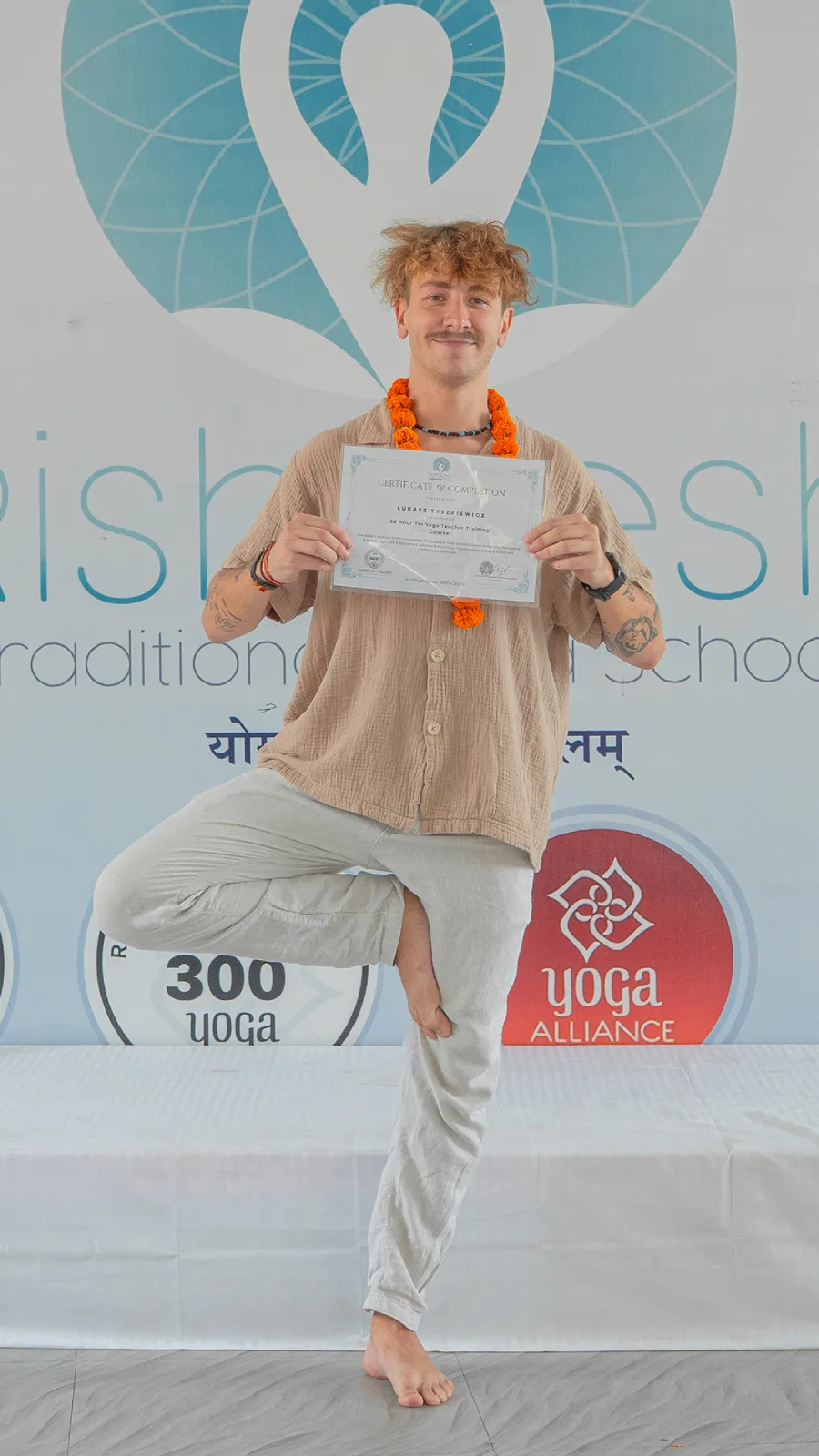
Sample of Certificate You Earn
Mantra Chanting is an important part of the yogic tradition that helps calm the mind and create a deeper sense of awareness. In this class, students learn the correct pronunciation, meaning and significance of traditional Sanskrit mantras. Regular chanting helps improve concentration, balance emotions and create a peaceful inner state. Through guided practice, students experience the power of sacred sound and its ability to support both personal and spiritual growth.
- Gayatri mantra
- Sahana Bhavatu
- Guru Brahma Guru Vishnu
- Mantra Science
- The power of Mantra
- Origin of mantra
- Mantra is not a religion
- The vibration of sound
- Om Chanting
- Om Namah Shivaya Chant
- Dum Durgayai Namah
- Kundalini Mantra chant
- Om Namo Bhagavate Vasudevaya chant
- Om Ganapati
- Asato ma sadgamaya
- Twameva Mata ca Pita
- Trayambakam Yajamahe
- Yogena Chittasya
- Surya Namaskar 12 Mantra (Om Mitraya)
Traditional Hatha Yoga is one of the oldest and most respected paths of yoga, designed to create balance between the body and mind. In this subject, students learn traditional Hatha Yoga postures, breathing techniques and the principles behind each practice. Regular practice helps improve strength, flexibility, posture and mental clarity. Along with physical training, students gain an understanding of the philosophy and purpose of Hatha Yoga, building a strong foundation for a deeper and more meaningful yoga journey.
Theory:
- Hatha Yoga with the connection of chakras and Nadis
- Hatha Yoga Philosophy
- Meaning of Yoga Therapy
- Ancient Scriptures
- Aim and Objectives
- Balancing
Practice:
- Asthi Granthi Kriya / Pavan Muktasana series 1
- Asthi Granthi Kriya / Pavan Muktasana series 2
- Centering postures series
- Sun Salutation / Surya Namaskar
- Moon Salutation / Chandra Namaskar
- Standing postures
- Kneeling postures
- Sitting postures
- Forward bending postures
- Backward bending postures
- Supine postures
- Prone postures
- Fire series
- Inversions
- Twisting postures
- Balancing postures
- Relaxing posture
- Meditative asana
Ashtanga and Vinyasa Yoga are dynamic styles of yoga that combine movement with conscious breathing. In this subject, students learn how to move smoothly from one posture to another while maintaining awareness of the breath. The practice helps build strength, flexibility, balance and stamina while improving focus and concentration. Students are introduced to the foundational sequences, proper alignment and safe transitions between postures. Different variations and modifications are also explored, allowing practitioners of all levels to develop confidence and progress in their practice.
Theory / Philosophy:
- Introduction
- History
- Awakening
- The Breath of Life
- Prana
- A Chakra Contemplation
- How to Do Bandha
- Drishti
- Cleansing and Purification
- Creating A Sacred Place
- The Challenging Asanas
- Props and Instruments
- Sun Salutation A and B
- Standing Asana Series
- Sitting Asana Series
- Finishing Asana Series
- Teaching Practices
Practices:
- Pādāṅguṣṭāsana
- Pādahastāsana
- Utthita Trikoṇāsana
- Utthita Pārśvakonāsana
- Prasārita Pādottānāsana
- Pārśvottānāsana
- Utthita Hasta Pādāṅguṣṭāsana
- Ardha Baddha Padmottānāsana
- Utkatāsana
- Vīrabhadrāsana
- Dandasana
- Paścimattānāsana
- Pūrvattānāsana
- Ardha Baddha Padma Paścimattānāsana
- Tiryaṅgmukha Ekapāda Paścimattānāsana (intense stretch)
- Jānuśīrṣāsana
- Marīcāsana
- Nāvāsana
- Bhujapīḍāsana
- Kūrmāsana
- Supta Kūrmāsana
- Garbha Piṇḍāsana
- Kukkuṭāsana
- Baddha Konāsana
- Upaviṣṭha Konāsana
- Supta Konāsana
- Supta Pādāṅguṣṭāsana
- Ubhaya Pādāṅguṣṭāsana
- Ūrdhvamukha Paścimattānāsana
- Setu Bandhāsana
Finishing Postures:
- Ūrdhva Dhanurāsana
- Salāmba Sarvāṅgāsana
- Halāsana
- Karṇapīḍāsana / Ūrdhva Padmāsana
- Piṇḍāsana
- Matsyāsana
- Uttāna Pādāsana
- Cakrāsana
- Śīrṣāsana
- Baddha Padmāsana
- Yoga Mudra
- Padmāsana
- Utpluṭiḥ
- Savasana
Pranayama is the practice of conscious breathing that helps balance the flow of vital energy within the body. In this subject, students learn a variety of traditional breathing techniques and understand how the breath influences both the body and mind. Regular practice can improve lung capacity, increase mental clarity and help reduce stress and anxiety. Students also explore the deeper connection between breath, awareness and overall well-being, making Pranayama an essential part of a balanced yoga practice.
Theory / Philosophy:
- What is Prana
- What is Pranayama
- What is breath and its connection with Prana
- Importance and benefits of Pranayama
- How to prepare ourselves to practise
- Aspects of Breathing
- Ancient texts of Breathing
- General understanding
- Understanding the nostrils and how to activate them
- Secrets of Pranayama
- Breath flow in the 5 elements
- Unit of Prana
- Function of Prana
- Three levels of Prana
- Three Gunas
- How does prana flow
- Quality of breath
- Imbalance of Prana
- Retention of breath
- 6 sitting positions for Pranayama practice
- Breathing pattern
- Prana connection with chakras and Kundalini
Practices:
- Clavicular Pranayama
- Thoracic Pranayama
- Diaphragmatic Pranayama
- Yogic Pranayama
- Pranava Pranayama
- Nadi Shodhana Pranayama
- Bhastrika Pranayama
- Kapalbhati Pranayama
- Bhramari Pranayama
- Ujjayi Pranayama
- Sitali Pranayama
- Sitkari Pranayama
- Murcha Pranayama
- Surya Bhedi Pranayama
- Chandra Bhedi Pranayama
Meditation is a powerful practice that helps quiet the mind and develop a deeper connection with the present moment. In this subject, students learn traditional meditation techniques that support mental clarity, emotional balance and inner peace. Regular meditation can improve focus, reduce stress and create a greater sense of awareness in daily life. Students are guided through different methods of meditation, proper sitting postures and breathing practices to help build a consistent and meaningful meditation practice.
Theory / Philosophy:
- Introduction to Meditation
- History of Meditation
- Preparation to Meditation
- What is Meditation and what it is not
- Why, How, Where, When Meditation
- Philosophy of Meditation
- Meditation Traditions
- Meditation Scriptures
- Aim and Objectives of Meditation
- Sitting Positions
- How to Sit Correctly
- Preliminary Practices Before Meditation
- Role of Diaphragmatic Breathing in Meditation
- Correct Breathing in Meditation
- How to Relax in Meditation
- Lifestyle, Diet, Sleep, Sex, Job — Rules in Meditation
Practices:
- Tratak Meditation
- Music Meditation
- Om Meditation
- Mantra Power Meditation
- Dynamic Moving Meditation (Osho)
- Buddha Walking Meditation
- Basic Foundation Meditation Practice
- Breath, Mind, Mantra Awareness
- Karma Yoga Meditation
- Natraj Meditation
- 7 Chakra Awareness Meditation
- Ajna Chakra Awakening Meditation
- Kundalini Active Meditation
- Breath Awareness (Anapana)
- Mindfulness and Sensation
- Total Awareness Practice
- Mantra and Kirtan Meditation Practices
- How to Do Japa (recitation)
- Kirtan Evening and Creating a Spiritual Vibe
- Silence Practice
- One Day Silence Meditation
Yoga Nidra, often known as yogic sleep, is a guided relaxation practice that brings the body into a state of deep rest while keeping the mind aware. In this subject, students learn the principles and techniques of Yoga Nidra and its benefits for physical, mental and emotional well-being. Regular practice can help reduce stress, improve sleep quality and promote inner calm. Students also explore body awareness, visualisation, and intention setting while learning how to confidently guide themselves and others through a complete Yoga Nidra session.
Theory / Philosophy:
- Meaning and Purpose of Yoga Nidra
- Different Schools and Traditions of Yoga Nidra
- Tantric Origin of Yoga Nidra
- Lifestyle and Rules for Yoga Nidra Practitioners
- Benefits and Risks of Yoga Nidra
- Difference Between Yoga Nidra and Meditation
- Yoga Nidra Experience
- Yoga Nidra and Healing
- 4 States of Consciousness
- 3 Body Awareness
Practices:
- Tension Relaxation
- Full-body Relaxation — basic Yoga Nidra
- Inner Silence Yoga Nidra
Shatkarma is a traditional yogic cleansing practice that helps purify the body and prepare it for deeper yoga practices. In this subject, students learn the purpose and benefits of the six classical cleansing techniques described in Hatha Yoga. These practices help remove impurities, improve overall health and support the smooth flow of vital energy throughout the body. Students also gain an understanding of how Shatkarma can enhance the effectiveness of pranayama, meditation and other yogic practices by creating a stronger foundation for physical and mental well-being.
Theory / Philosophy:
- What is Satkarma
- Benefits and Risks
- Who Should and Should Not Practise It
- Experiences
- Preparation to Satkarma
- Practices After Completing It
- Nadi Cleansing
Practices:
- Jihwa Dhauti
- Danta Dhauti
- Karna Dhauti
- Rubber Neti
- Jalaneti
- Kapalbhati
- Agnisara
Yoga Philosophy provides a deeper understanding of the wisdom and teachings that form the foundation of yoga. In this subject, students explore important yogic concepts such as dharma, karma, self-awareness and the purpose of life. They learn how these ancient teachings can be applied in everyday life to create greater balance, clarity and inner peace. Students also gain insight into the different paths of yoga, helping them develop a more meaningful connection with their practice both on and off the mat.
- Why is Yoga Philosophy the Most Important Among All?
- Introduction to 9 Major Indian Philosophies
- Introduction to Indian Culture, Spirituality and the Himalayan Tradition
- Introduction to the Ancient Scriptures of Yoga and Spirituality
- Meaning and Purpose of Indian Philosophy
- History of Yoga
- Types of Yoga
- Patanjali and His Work
- Introduction to the Yoga Sutra Text
- Eight Limbs of Yoga
- Yamas and Niyamas
- Philosophy of Asana and Pranayama
- Science of Karma
- Philosophy of Concentration, Meditation, and Samadhi
- Overview of First Chapter
- Overview of Second Chapter
- Overview of the Third and Fourth Chapter of Patanjali
- Mind and Its Control
- Introduction to Bhagavad Gita and Upanishads
- Chakras
- Nadi
- Kundalini
- Three Fold Pain
- Three Bodies (Sharira)
- Panchakosha
- Tri-guna
- Mahabhuta (Theory of Elements)
Yoga Anatomy helps students understand how the body moves and functions during yoga practice. In this subject, students learn the basic structure of the human body, including the muscles, joints, bones and major body systems that support movement. This knowledge helps practitioners perform postures safely, improve alignment and reduce the risk of injury. Students also learn how to adapt and modify poses for different body types and abilities, creating a safer and more effective yoga practice for themselves and others.
- Introduction to Body and Its Structure
- Body Planes
- Anatomical Movements
- Bones of the Skull
- Cervical Vertebrae
- Shoulder Girdle / Arm Bones / Pelvic Region
- Deformities of the Spine
- Lower Extremity
- Tendons and Ligaments
- Muscular System
- Nervous System
- Respiratory System
- Nadi (Energy Channel)
- Chakras (Energy Centres)
- Kundalini (Prime Energy and Source of All Creativity)
- Panchakosha (5 Layers)
- Pancha Mahabhuta (5 Elements and Body Structure)
- Tri-Guna (Three Attributes)
Alignment is an essential part of a safe and effective yoga practice. In this subject, students learn the correct positioning of the body in different yoga postures to improve stability, balance and body awareness. Understanding proper alignment helps prevent injuries and allows practitioners to experience the full benefits of each asana.
Adjustment introduces students to the fundamentals of safely assisting others in yoga postures. Students learn how to provide gentle guidance that helps improve alignment, deepen awareness and support a more comfortable practice. This subject also emphasises safety, respect and understanding individual body differences during adjustments.
Ayurveda is the ancient science of natural healing that works hand in hand with yoga to support overall health and well-being. In this subject, students learn the basic principles of Ayurveda and how lifestyle, nutrition and daily habits can help create balance in the body and mind. The course also introduces important professional and ethical guidelines for teaching and therapeutic practice, including responsibility, communication, informed consent and maintaining a safe and respectful environment for students.
Yoga Therapy:
- What is Yoga Therapy
- Rules and Regulations of Yoga Therapy
- Healing Through Asana, Pranayama and Meditation
- Therapy for Common Diseases
Ayurveda:
- Unique Features of Ayurvedic Treatment
- Ayurveda and Its Diversified Areas
- Ashtanga Ayurveda
- Fundamentals of Ayurveda
- Panchamahabhuta
- Kapha (theme of structure and lubrication)
- Vata (energy of movement)
- Pitta (energy of bio-transformation and heat generation)
- Prakriti — Know Your Constitution
Mudras are simple yet powerful hand gestures used in traditional yoga practices to direct and balance the flow of energy within the body. In this subject, students learn the meaning and purpose of various mudras and how they can support physical, mental and emotional well-being. Regular practice of mudras can help improve concentration, enhance meditation and create a greater sense of inner balance. Students also explore the connection between the elements, energy channels and the role of mudras in supporting overall harmony and awareness.
- The Secrets of Mudra
- The Position of Elements in the Hands
- The Need for Mudra
- The Importance and Advantages of Mudras
- Special Guidelines About Mudra
- Gyan Mudra (Gesture of Wisdom)
- Purn Gyan Mudra (Gesture of Complete Wisdom)
- Vairagya Mudra (Gesture of Dispassion)
- Abhaya Mudra (Gesture of Blessing, Fearlessness)
- Dhyan Mudra (Meditation Mudra)
- Vayu Mudra (Gesture of Air)
- Pran Mudra (Gesture of Prana)
- Prithvi Mudra (Gesture of Earth)
- Surya Mudra (Gesture of Sun)
- Varun Mudra (Gesture of God of Water)
- Shoonya Mudra (Gesture of Openness, Space)
- Pran-Apan Mudra (Gesture of Prana Apana)
Bandhas are important yogic techniques that help direct and control the flow of vital energy within the body. In this subject, students learn the purpose and practice of the three primary bandhas and how they support pranayama, meditation and advanced yoga practices. When applied correctly, bandhas can help improve concentration, increase energy awareness and deepen the overall yoga experience. Students are guided step by step to develop a safe understanding of these powerful energy locks under proper supervision.
- Meaning and Importance of Energy Lock
- Why the Energy Lock and How Our Energy Gets Drained
- Energy Knots and How to Open Them
- Understanding the Three Chakras: Muladhara, Manipura, Vishuddhi
- Experience of Energy Lock
- Benefits and Risks of Bandha Practices
- Agnisar (Preparation to Uddiyana)
- Vahir Kumbhaka (External Retention)
- Antar Kumbhaka (Internal Retention)
- Ashwini Mudra to prepare Mulabandha
- Vajroli Mudra to prepare Mulabandha
- Mulabandha
- Uddiyana Bandha
- Jalandhara Bandha
Teaching Methodology helps students develop the skills and confidence needed to become effective yoga teachers. In this subject, students learn how to structure and lead a yoga class, give clear instructions and create a safe learning environment for practitioners of different levels. The course also covers class sequencing, posture adjustments and injury prevention techniques. Beyond teaching physical postures, students learn how to support and inspire others while developing the communication and leadership skills needed to guide meaningful yoga classes.
- Not to forget the sequence
- Avoid injuries
- Manage happiness during and after the practice
- Work with all sides of Yoga and all levels
- Give a meditative experience
- Manage and balance the energy flow
Here is what you will learn:
- Proper demonstration of a yoga practice
- The proper way to instruct and guide a lesson
- Proper alignment of yoga postures
- Proper adjustment with / without props
- Yogic personality establishment
Course concludes with a practical and written assessment designed to evaluate each student's understanding of yoga and teaching abilities. Students are encouraged to demonstrate their knowledge, confidence and skills in leading a safe and well-structured yoga class. Upon successful completion of the training, graduates receive an internationally recognised 200 Hour Yoga Teacher Training Certification. This certification allows eligible students to register as an RYT 200 with Yoga Alliance and begin their journey as a certified yoga teacher anywhere in the world.
- Performance during the course
- Attendance
- Practical asana demonstration test
- Written test (objective and subjective type)
- Behaviour
A worldwide circle of students
Practitioners from every continent come to Rishikesh to learn with us.
Enjoy Free Yoga Retreats with Our 200-Hour Yoga Teacher Training in Rishikesh
Learn Complementary YIN YOGA & Facial Yoga
We understand that every student comes here with expectations to learn and experience more than they have committed to. And to fulfil this wish, we provide complimentary 50-hour Yin Yoga and Facial Yoga with this course. These courses come under YACEP (Yoga Alliance Continuing Education Provider Program). You will also receive a separate certification for completing these courses along with the RYT 200-hour. YACEP focuses on meeting the teacher’s yearly requirement and also emphasizes learning different techniques and enhancing professional development.
Yin Yoga is about healing and giving rest to connective tissues through slow, meditative postures. This helps in relaxation and encourages emotional release that brings inner stillness and peace. This yoga is extremely beneficial after the course. Whereas Facial Yoga is best for natural rejuvenation. It tones facial muscles, improves blood circulation, and provides a radiant, natural glow to the face. Together, these practices complement each other and heal you inside out. We try our best to make you comfortable and satisfied throughout the course and expect nothing but happiness in return.
- It’s up to you whether you want to attend these classes.
- Classes can be adjusted or replaced with alternatives if required.
- You don’t have to prepare for these classes for the exam.
- These are free of cost and available to all enrolled students.
- These classes enhance your overall yoga learning experience.
Our school is registered with Yoga Alliance.
Thank you for choosing us as the best yoga teacher training school in Rishikesh

We are a Yoga Alliance-certified school. We follow globally recognised standards with a structured curriculum and learning. With us, you become eligible to teach yoga internationally from one of the best yoga schools in Rishikesh.


Rishikesh, India's Best Yoga Classes
Reviewed As One Of The Best Yoga Schools In Rishikesh
Students' reviews are both motivation and encouragement for us. Thankful to them for taking the time to share their experiences across Google, TripAdvisor and TrustPilot.
Excellent

5.0 Based on 335+ reviews

Excellent

5.0 Based on 60 reviews

Excellent

5 Based on 35+ reviews


I am incredibly grateful to this school. It felt so warm, so supportive - like a family. All the teachers were wonderful, and I fell in love with every single class.
200-hour yoga teacher training
Russia
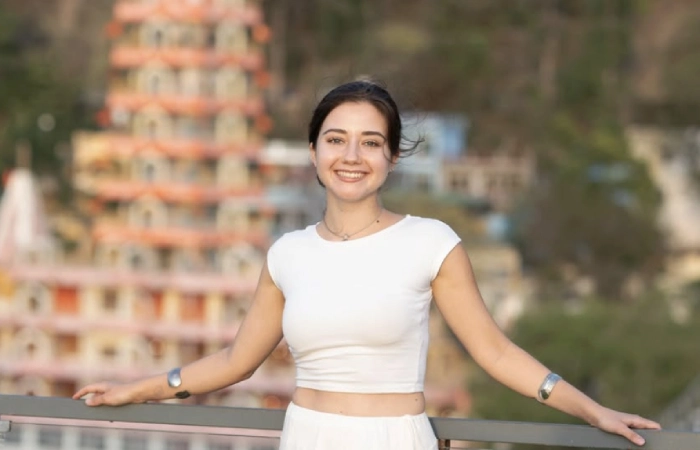
Viktoria
Year of completion: February 2026
Namaste! Very grateful to Rishikesh Traditional Yoga School for the beautiful time I spent there. Highly recommend for anyone searching for Yin Yoga Teacher Training in Rishikesh!
100 Hour Yin Yoga Teacher Training
Russia

Maria
Year of Completion: 2025
Great experience learning the 200 Hour Multi-Style & Yin Yoga Training. Helpful and friendly from the second I got there, teaching was incredible from authentic teachers.
200 Hour & Yin Yoga TTC
United Kingdom

Josh Tingley
Year of Completion: 2026 February

At Rishikesh Traditional Yoga School, I found my Indian home. Everyone was willing to help and share the best teachings. Truly excellent and humble teachers.
200-hour yoga teacher training
Spain

Laura
November 2023
What an amazing experience. The teachers were fantastic, and the food was delicious. I really felt like I was part of a family. Highly recommend as a place to complete your YTT.
200-hour yoga teacher training
South Africa
Mimi
November 2023
Completed the 200 Hour Yoga Teacher Training and loved it so much I stayed for the 50-hour Yin course. Teaching was amazing, informative and authentic.
200 Hour YTTC & 50-hour Yin YTTC
Australia
dphilips
November 2023

Completed my 200-hour Yoga Teacher Training in November 2023, the entire experience exceeded my expectations. It was one of the best experiences of my life.
200-Hour Yoga Teacher Training
United Kingdom
Stacey Smith
Course Joining Date: 01 October 2023
The teachers were outstanding, the staff incredibly welcoming, and the chef prepared delicious meals. Everything was professionally organized and thoughtfully managed.
200-Hour Yoga TTC & Yin Yoga Course
Denmark
Lisa Hein Ruggaard
Course Joining Date: 01 November 2023
A truly life-changing experience. The teachers were kind, disciplined, and deeply knowledgeable. The accommodation was comfortable and the healthy food exceptional.
200-Hour Yoga Teacher Training
United Kingdom
Mantana
Course Joining Date: 07 March 2023
Guide | Teachers in Rishikesh
Meet Your Yoga Gurus Who Are The Major Rock Of Our School
A teacher's role in life is crucial for the practice of yoga, and their contribution to our journey is invaluable. We shall always remain indebted to them.
Following the path of Lord Krishna, our teachers put sincere efforts to guide students' path with clarity and wisdom. Their role goes beyond instruction; they support, observe, and help you understand your path.
Our teachers make sure that you experience the best yoga teacher training in India at our school.
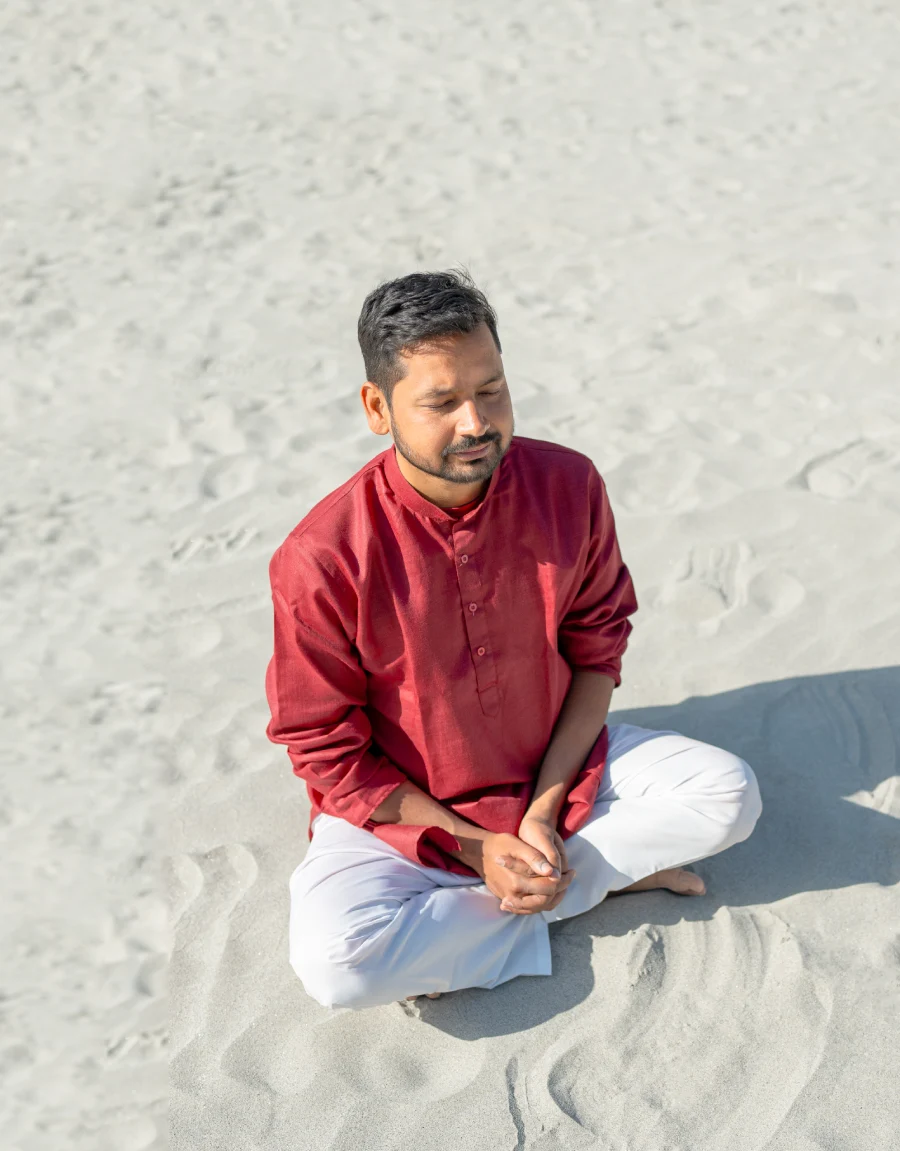
Rajeev Nautiyal Ji
Hatha, Ashtanga, Vinyasa Yoga, Yin Yoga
Rajeev Nautiyal is an experienced yoga teacher with more than 25+ years of teaching experience. His journey in yoga has been s...
 25+ Years Of Experience In Yoga
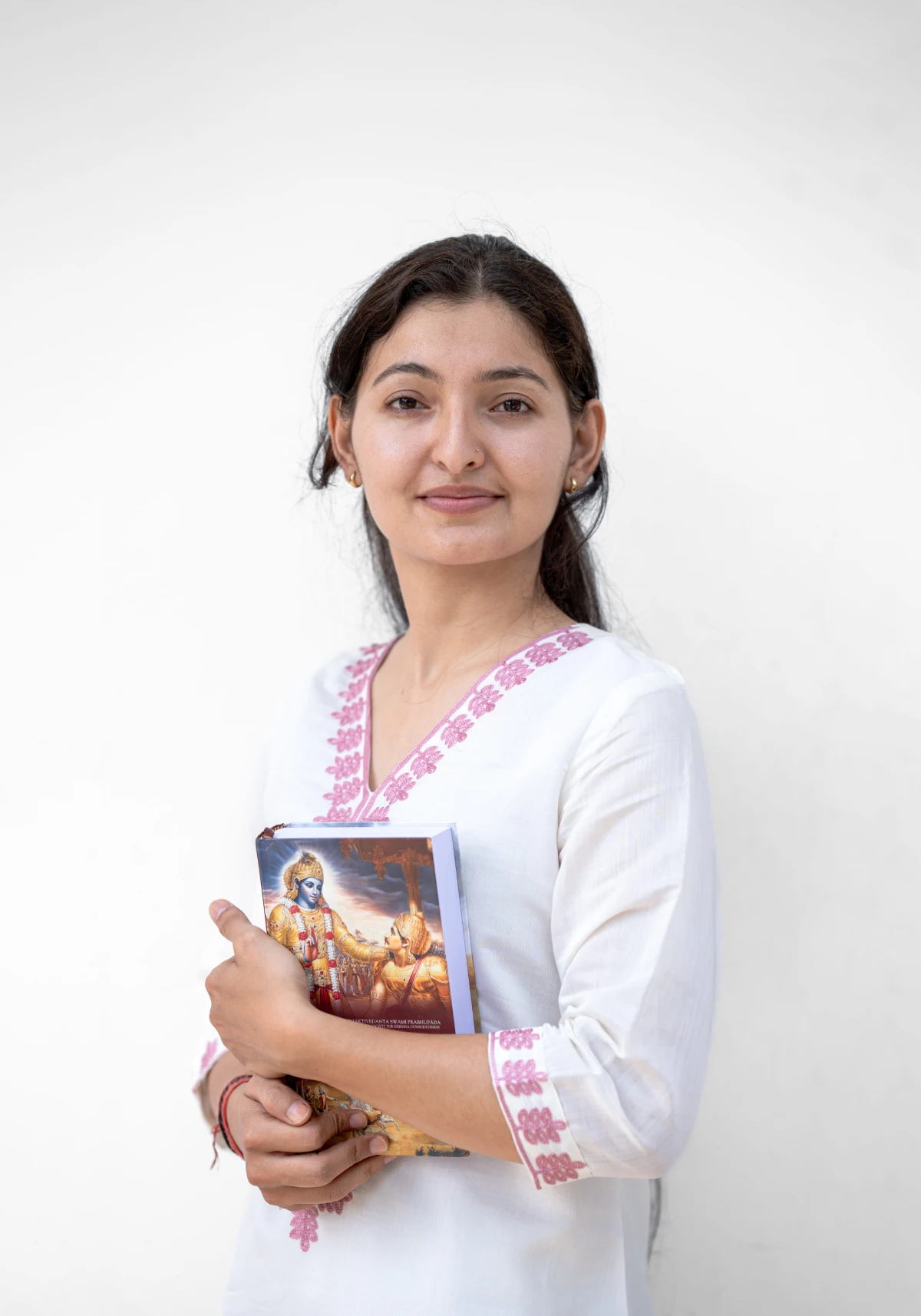
Sakshi Ji
Anatomy, Ayurveda, Face Yoga & Therapeutic Yoga
Sakshi is a passionate yoga teacher with a unique academic background in science, law, yoga, and Ayurveda. With more than five...
6+ Year Of Experience In Yoga
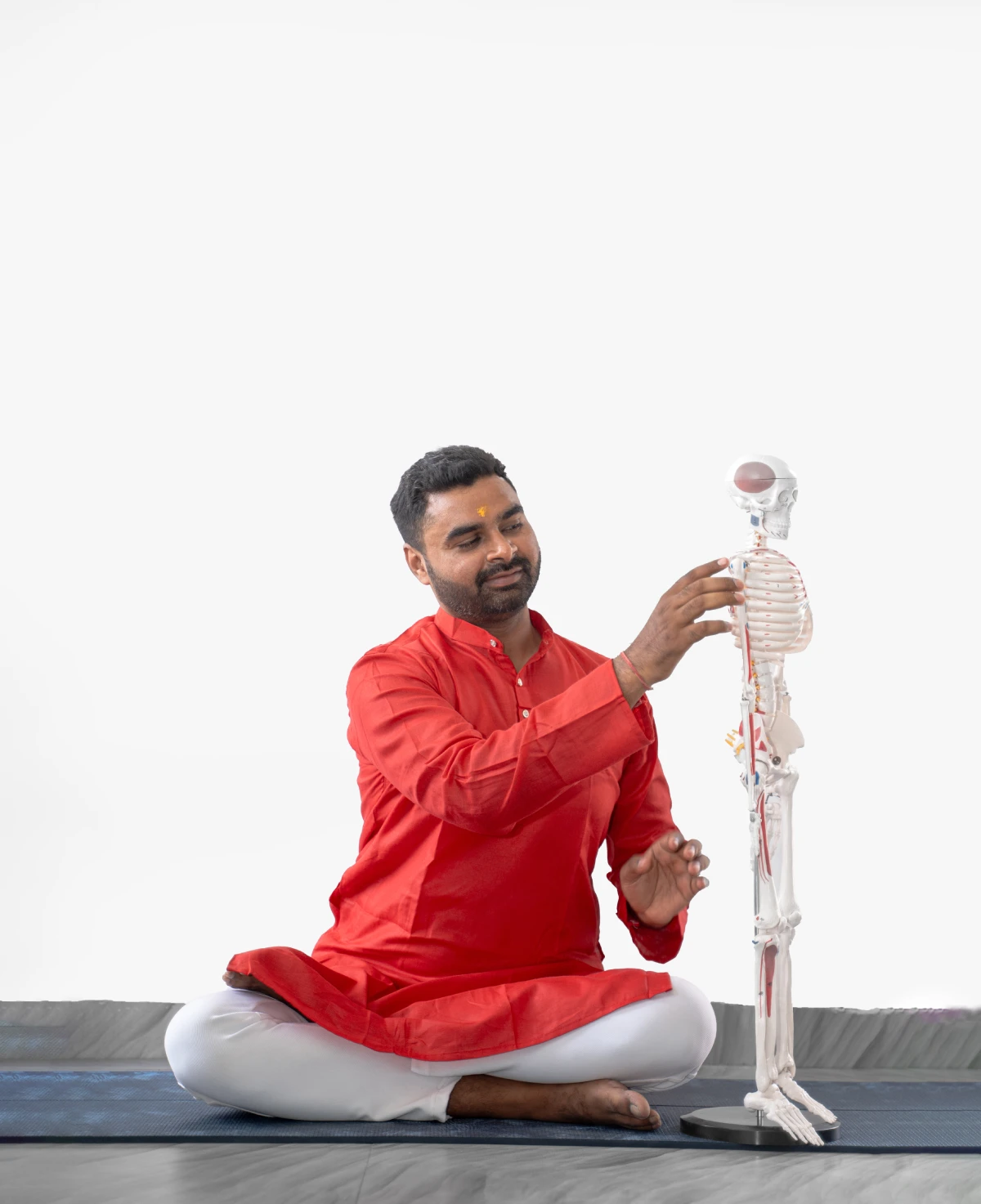
Dipendra Tripathi Ji
Yoga Therapy, Kundalini Yoga, Yoga Anatomy
Dipendra Tripathi is a dedicated yoga instructor and therapist with more than 15+ years of teaching experience. He has worked ...
15+ Year Of Experience In Yoga
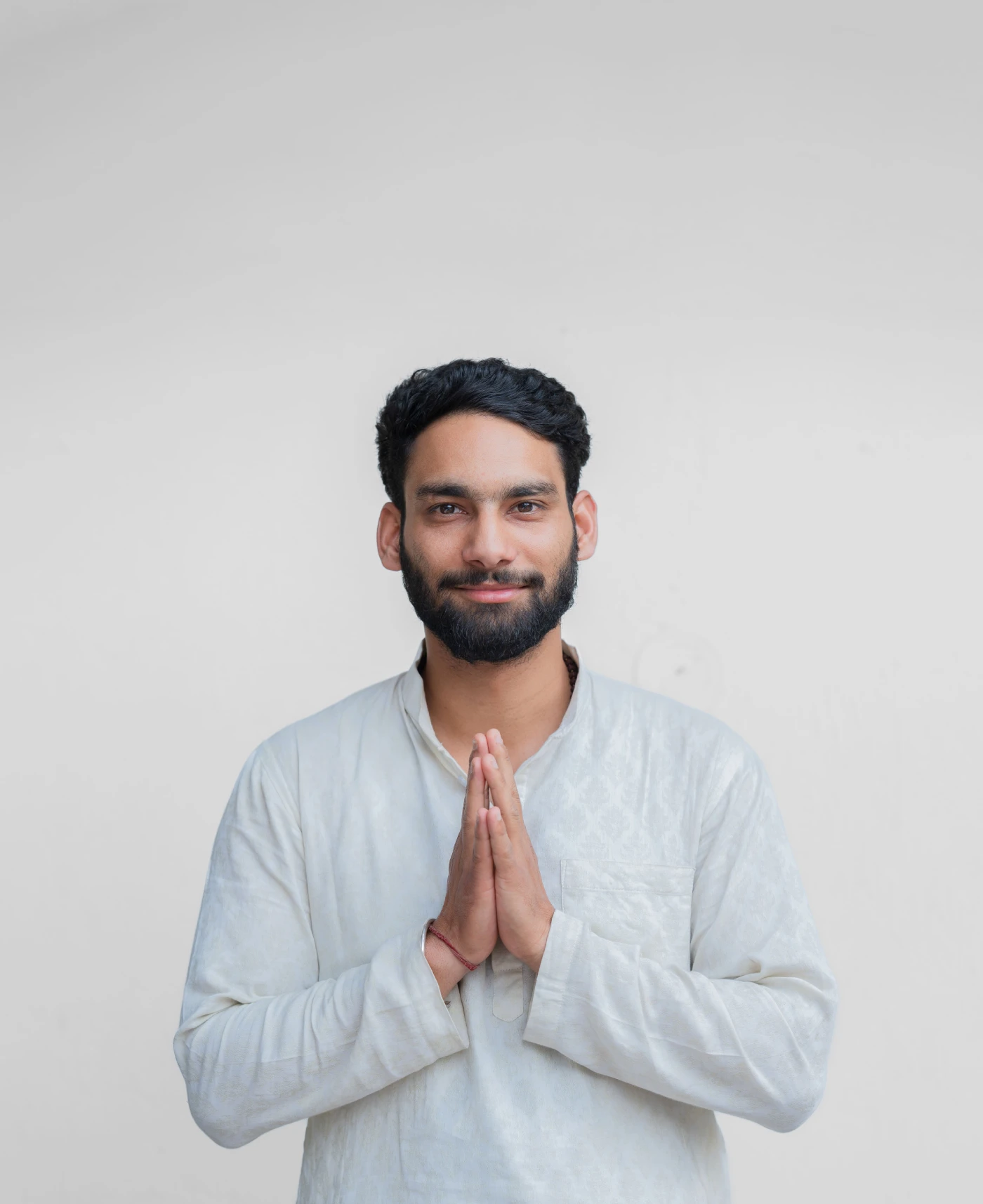
Shubham Uniyal Ji
Traditional Hatha Yoga, Yogic Philosophy
Shubham Uniyal is a dedicated yoga teacher and practitioner with a strong foundation in traditional yogic teachings. His passi...
15+ Year Of Experience In Yoga
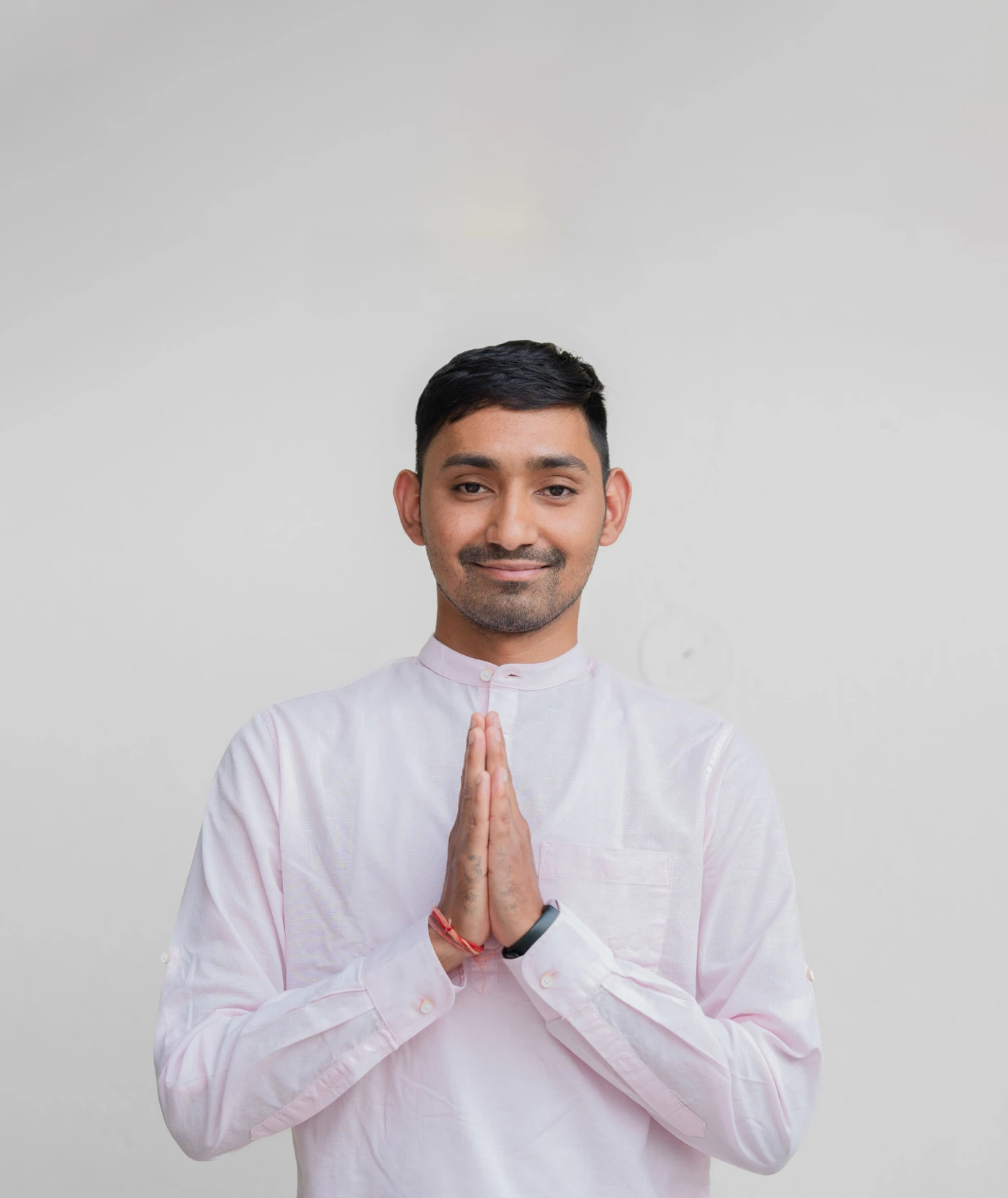
Subhash Ji
Ashtanga Vinyasa Flow, Pranayama
Subhash is an experienced yoga teacher with a strong background in traditional yoga education and teacher training. Having tau...
10+ Year Of Experience In Yoga
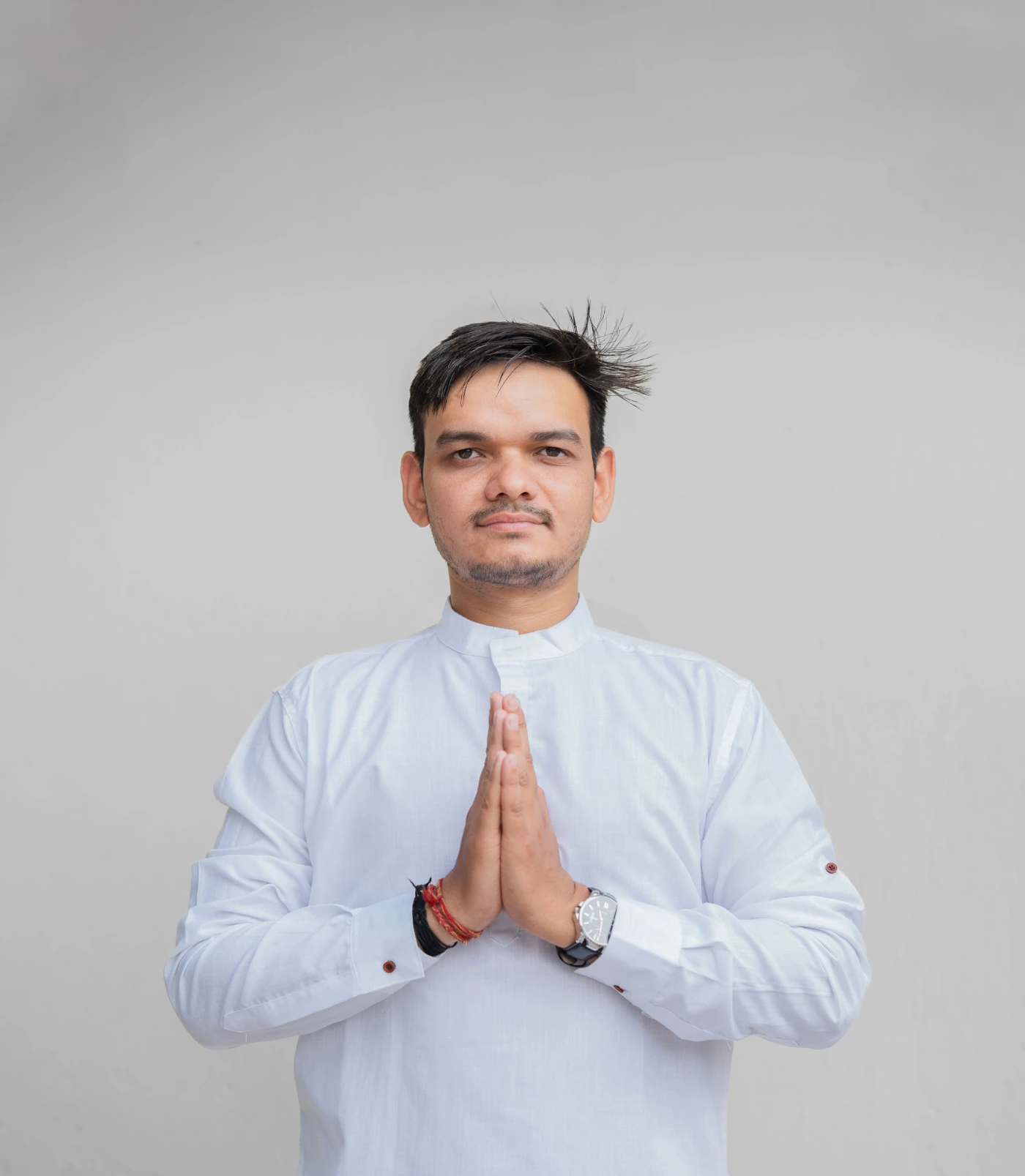
Gaurav Ji
Hatha Yoga, Yin Yoga & Pranayama
Gaurav is a dedicated yoga teacher with a strong foundation in traditional yoga and modern teaching practices. With years of e...
10+ Year Of Experience In Yoga
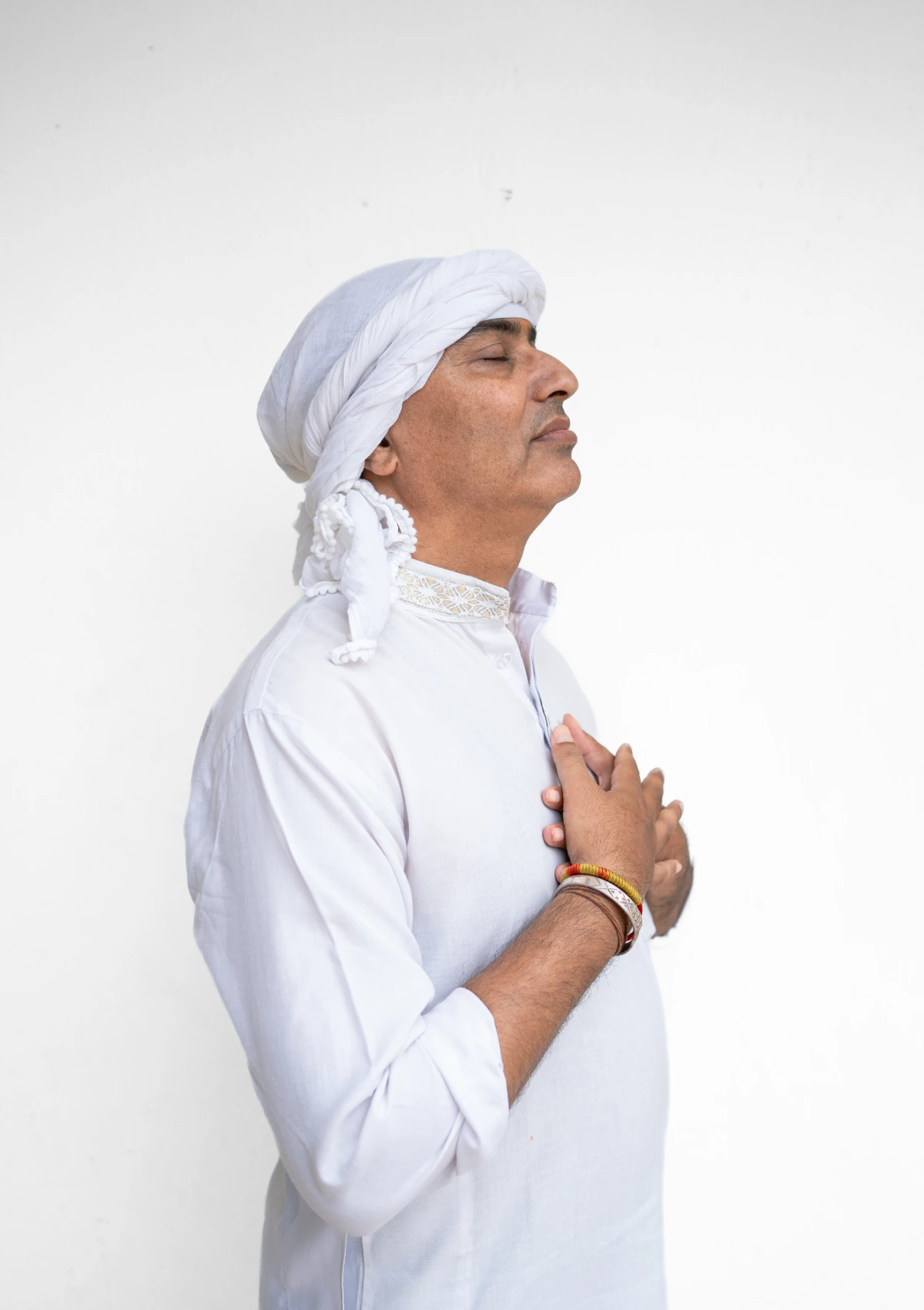
Praveen Kumar Ji
Kundalini, Yin Yoga, Teaching Methodology
Praveen Kumar is an experienced yoga instructor with more than 15+ Years of teaching experience. Throughout his journey, he ha...
20+ Year Of Experience In Yoga

Gaurav Kashyap Ji
Hatha Yoga, Vinyasa Flow & Sound Healing
Gaurav Kashyap is an experienced yoga teacher with over 8 years of teaching Hatha Yoga and Vinyasa Flow and 4 years of teaching Yin...
12+ Year Of Experience In Yoga
Student Experience
Student's Yoga Experience With Us
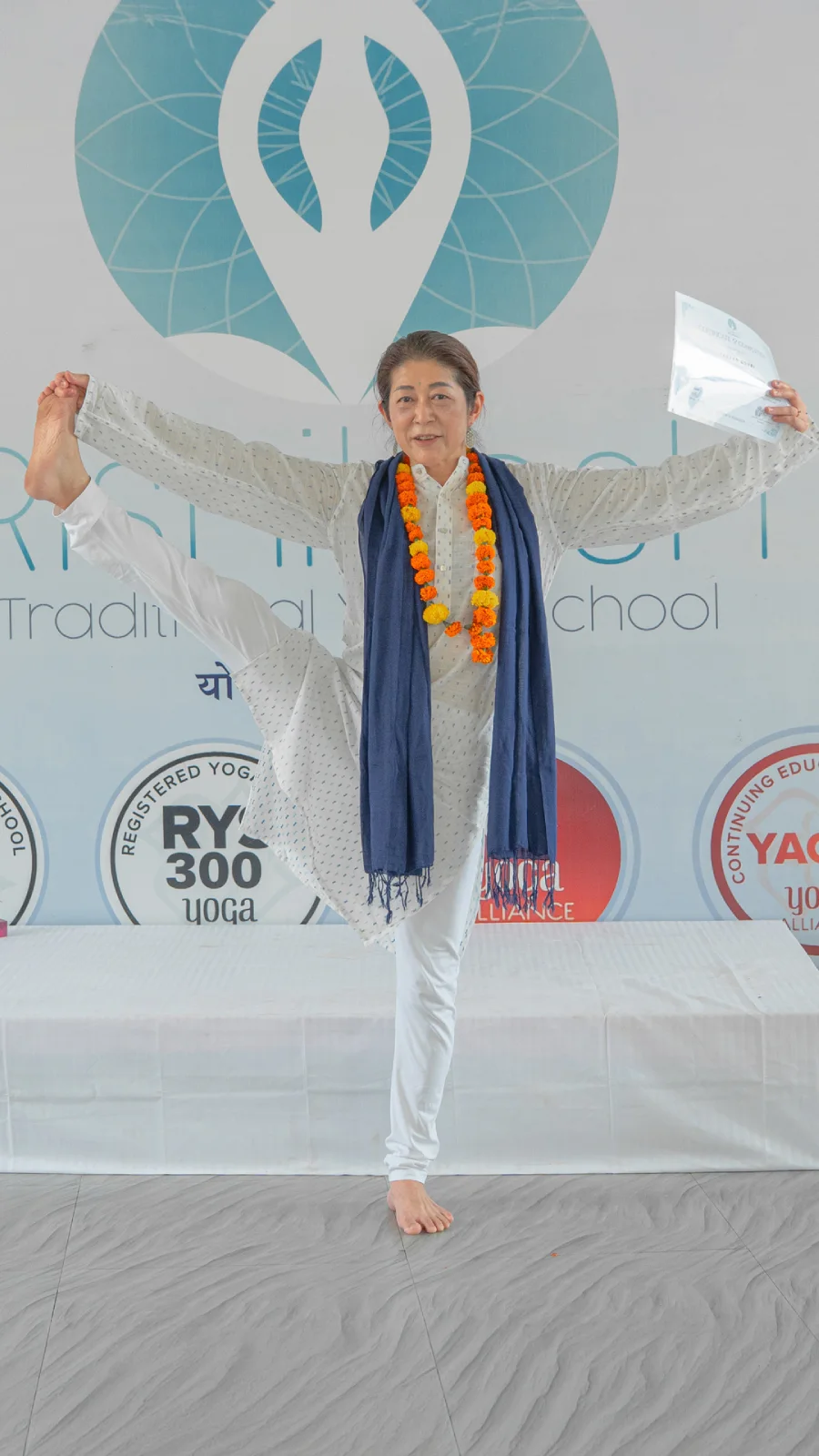
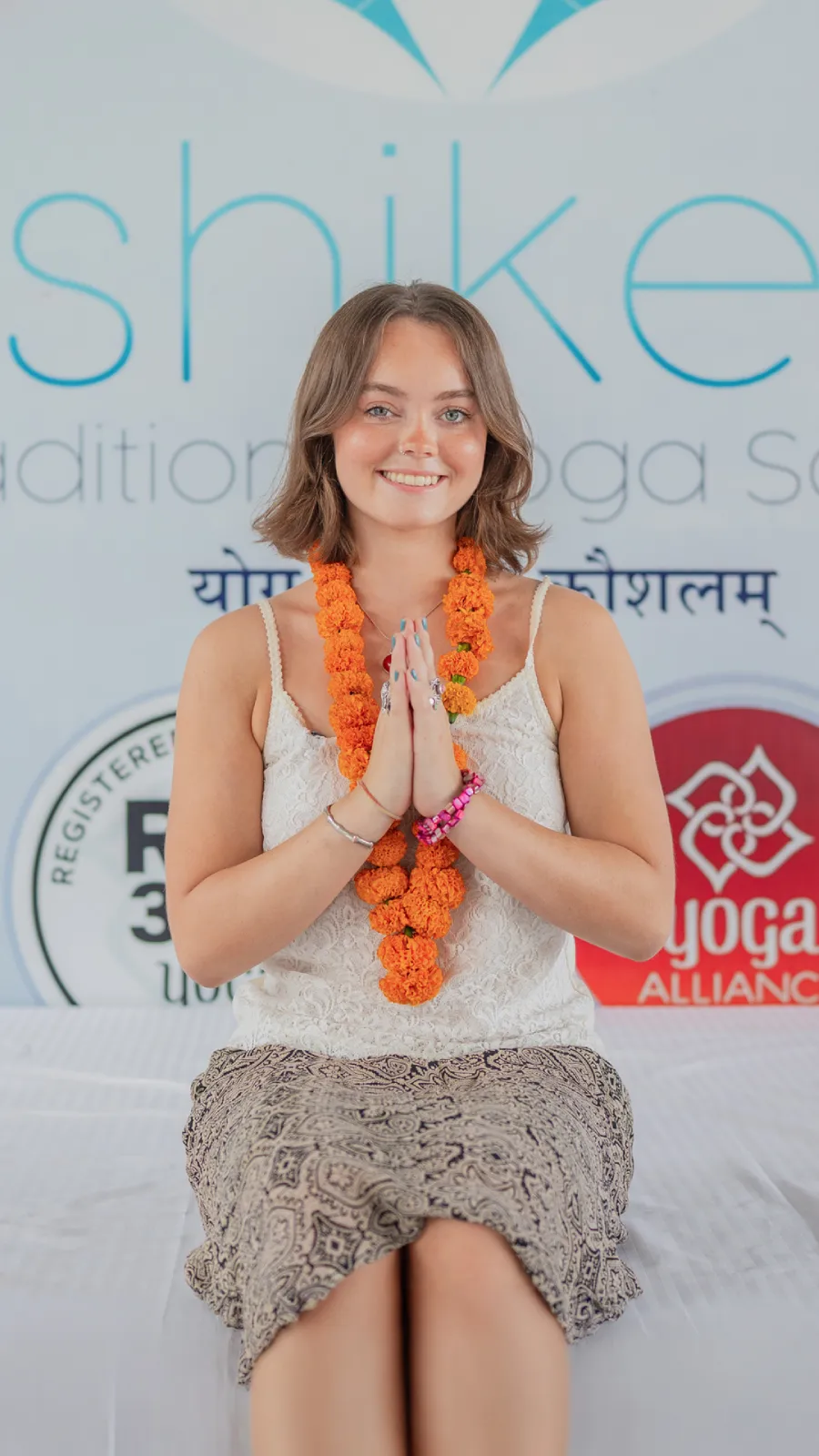
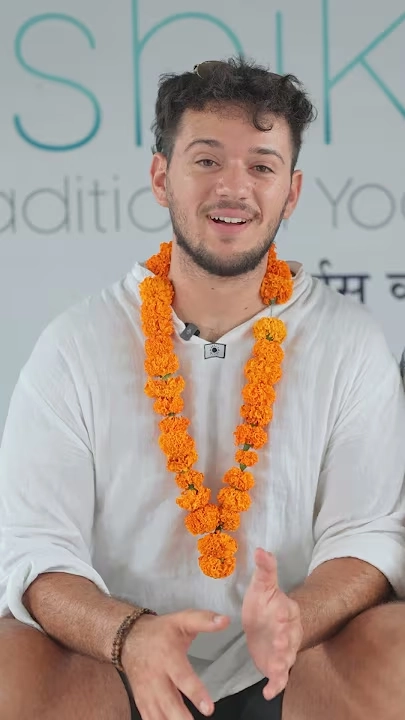
Every student arrives with a unique story, a different goal and a desire to grow through yoga. These real experiences shared by our students offer a glimpse into life at our school, the friendships they build and the transformation they experience during their journey. Watch their stories and discover how traditional yoga in Rishikesh has inspired students from around the world.


Book a FREE Course Consultation Call with our Program Coordinator.
 1
1

Kiara Nautiyal
Course Coordinator
Online
Namaste 🙏🏻 If you have any questions, please feel free to drop me a message on WhatsApp. I will be happy to assist you 😊