500 Hour Yoga Teacher Training Course in Rishikesh, India
 Overview
 Syllabus
 Schedule
 Dates
Dates
 Rooms
Rooms
 FAQs
FAQs

FREE Airport Pick-Up

FREE Yin Yoga Session

FREE Facial Yoga Session

FREE Ayurvedic Massage
Starting From
1248 USD

Course Overview
The Ultimate 500-Hour Yoga Teacher Training in Rishikesh

This course is a comprehensive, full program that combines both the 200-hour and 300-hour Yoga Teacher Training courses. You receive complete training from the school and become a Yoga Alliance-certified yoga teacher within 8–10 weeks.
You will learn traditional yoga, yoga therapy, Ashtanga Vinyasa Yoga, Hatha Yoga, teaching methodology, anatomy and physiology, and yoga philosophy—from beginner to advanced levels. The course begins at a steady pace, and as the days progress, your practice becomes more intensive and transformational.
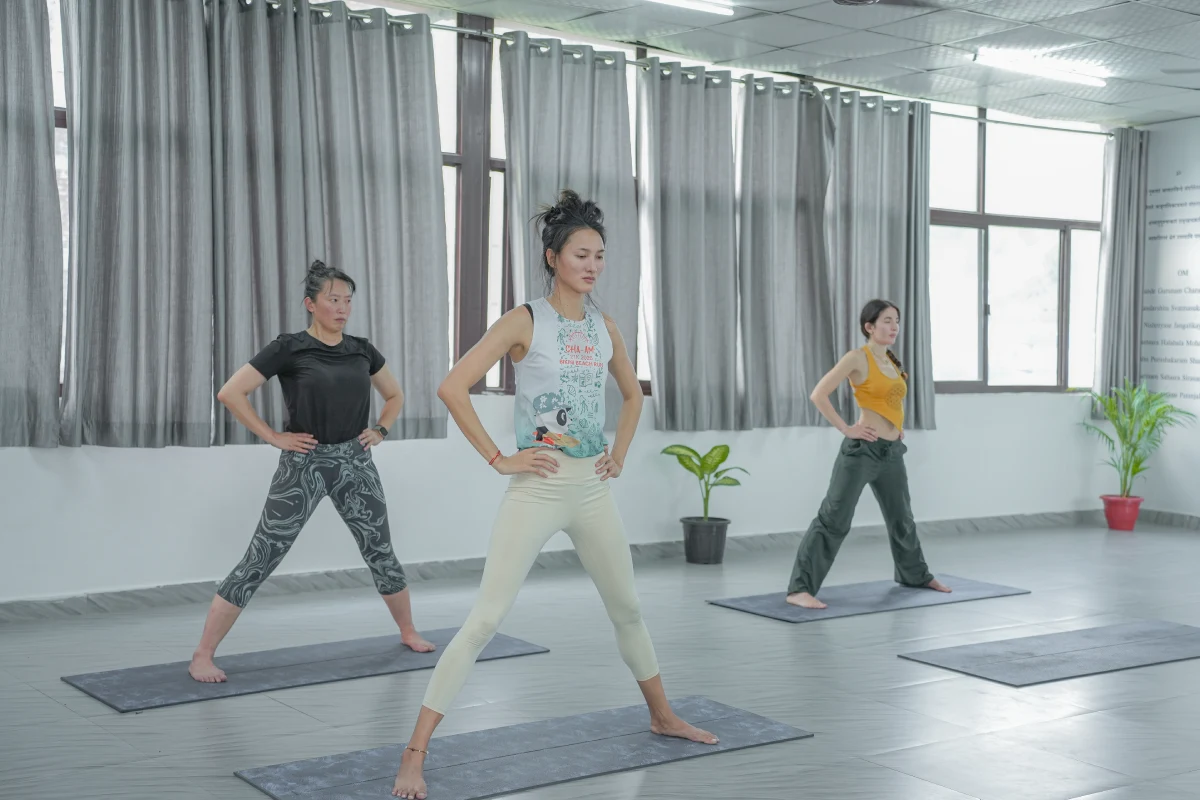
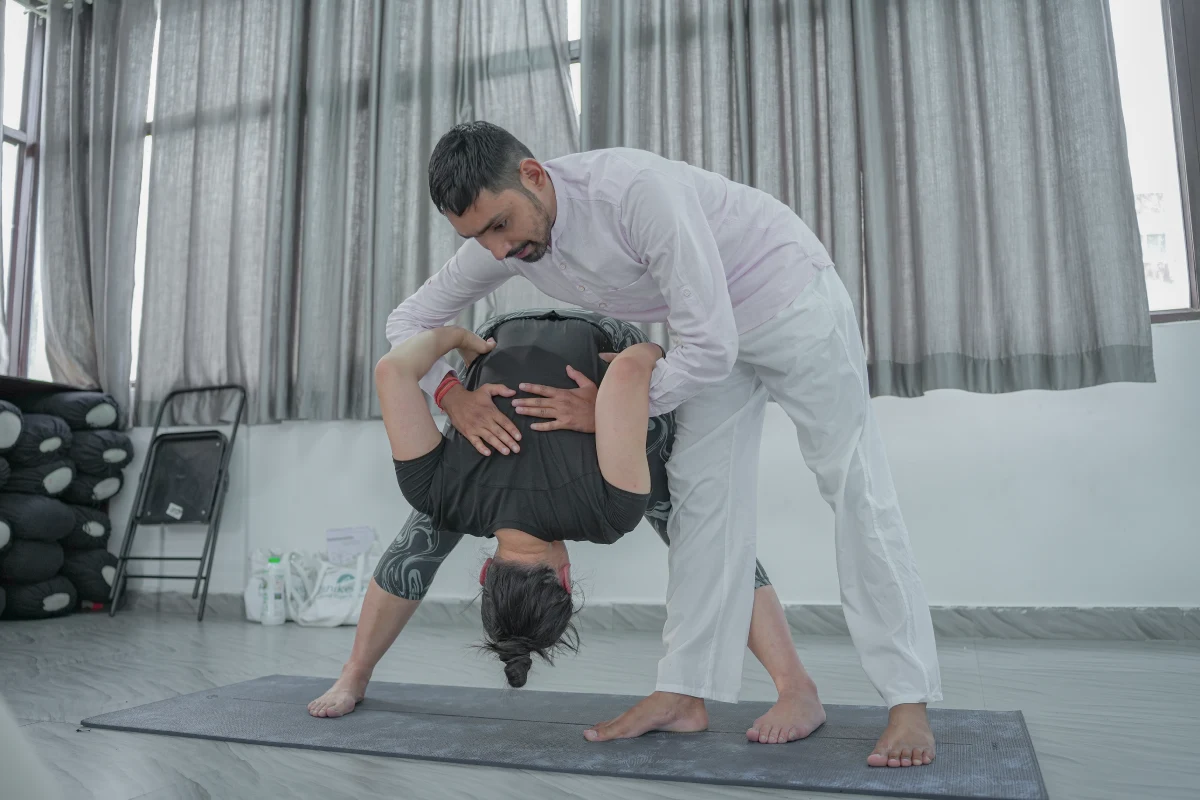
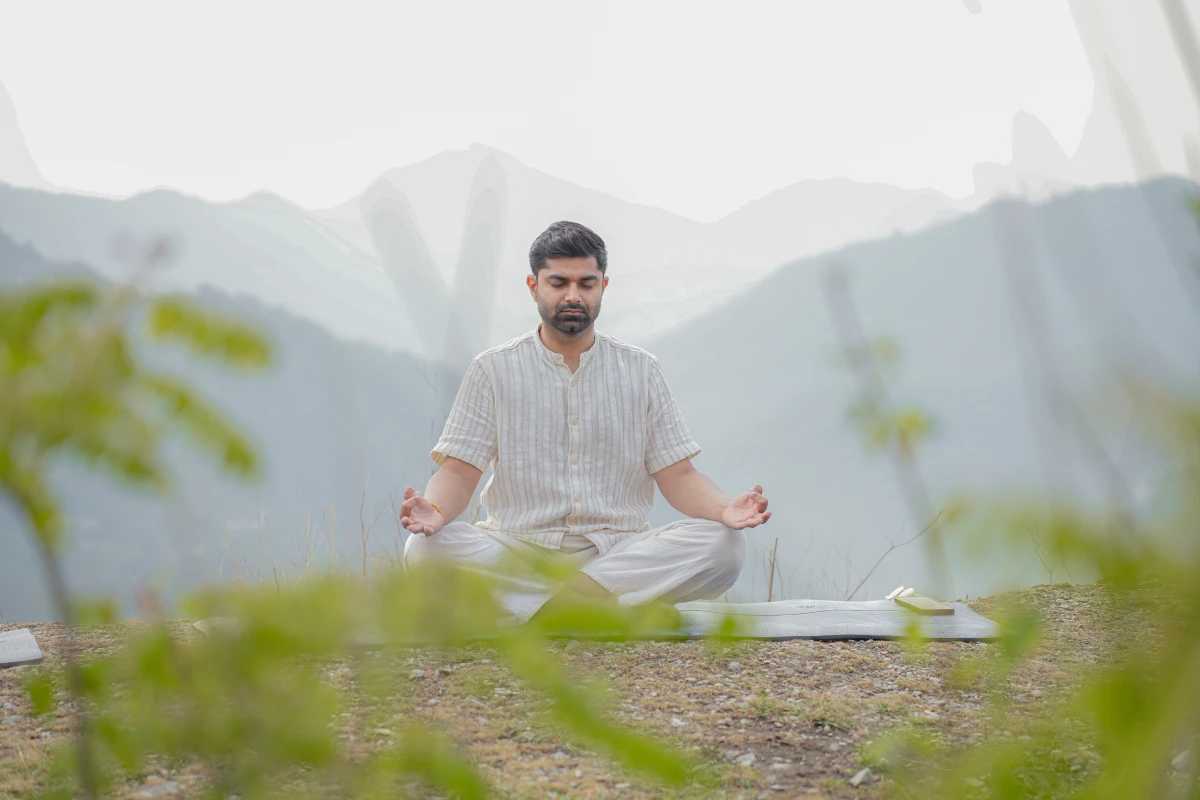
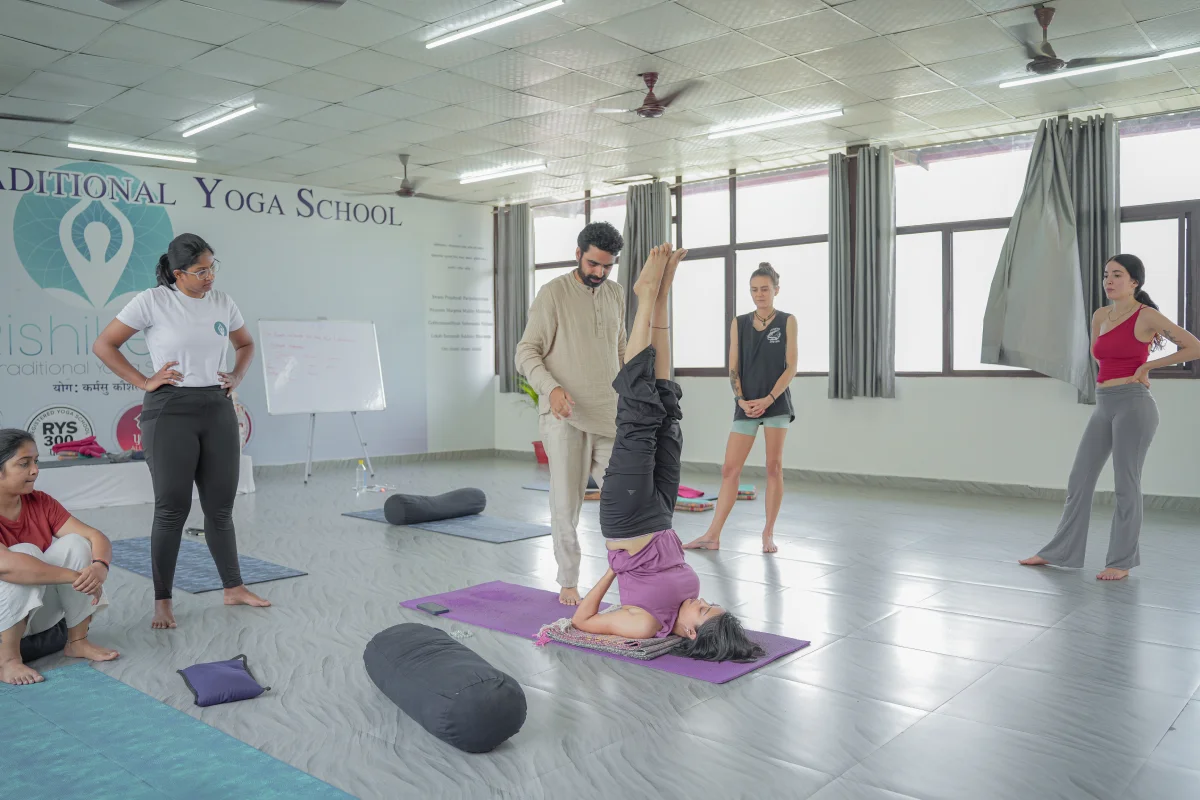
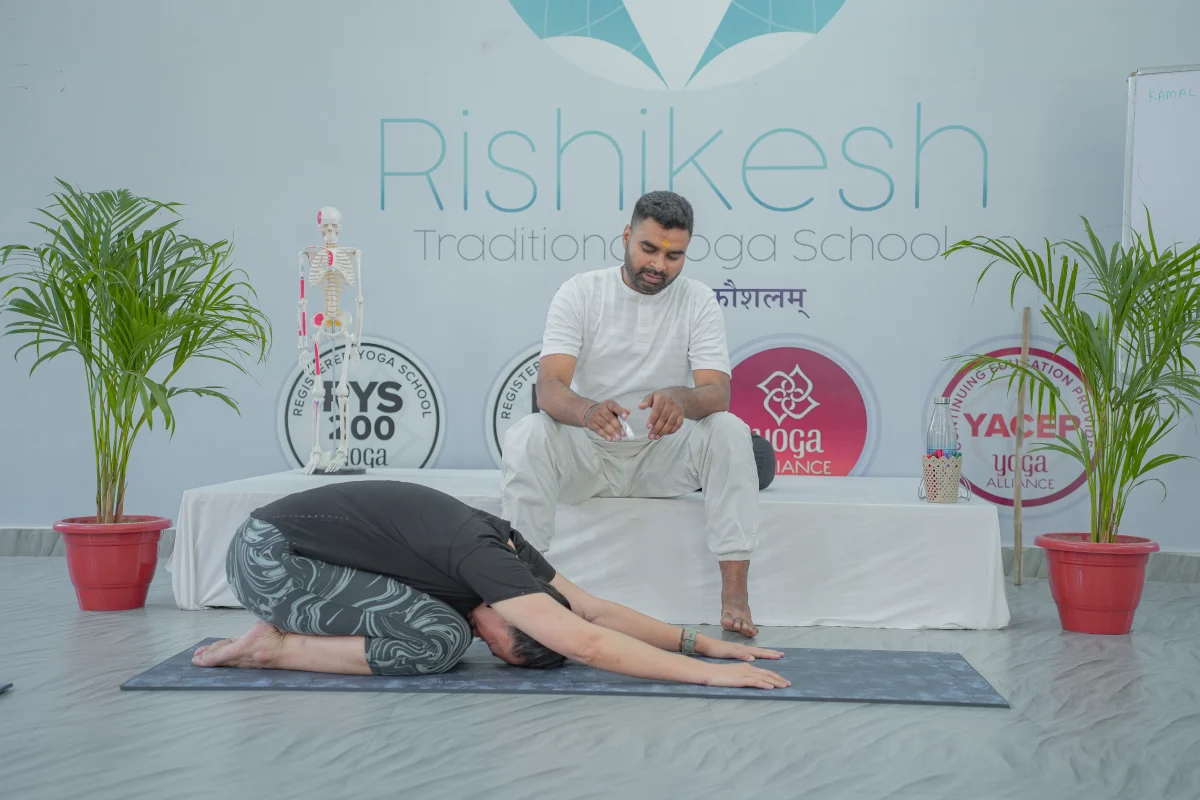
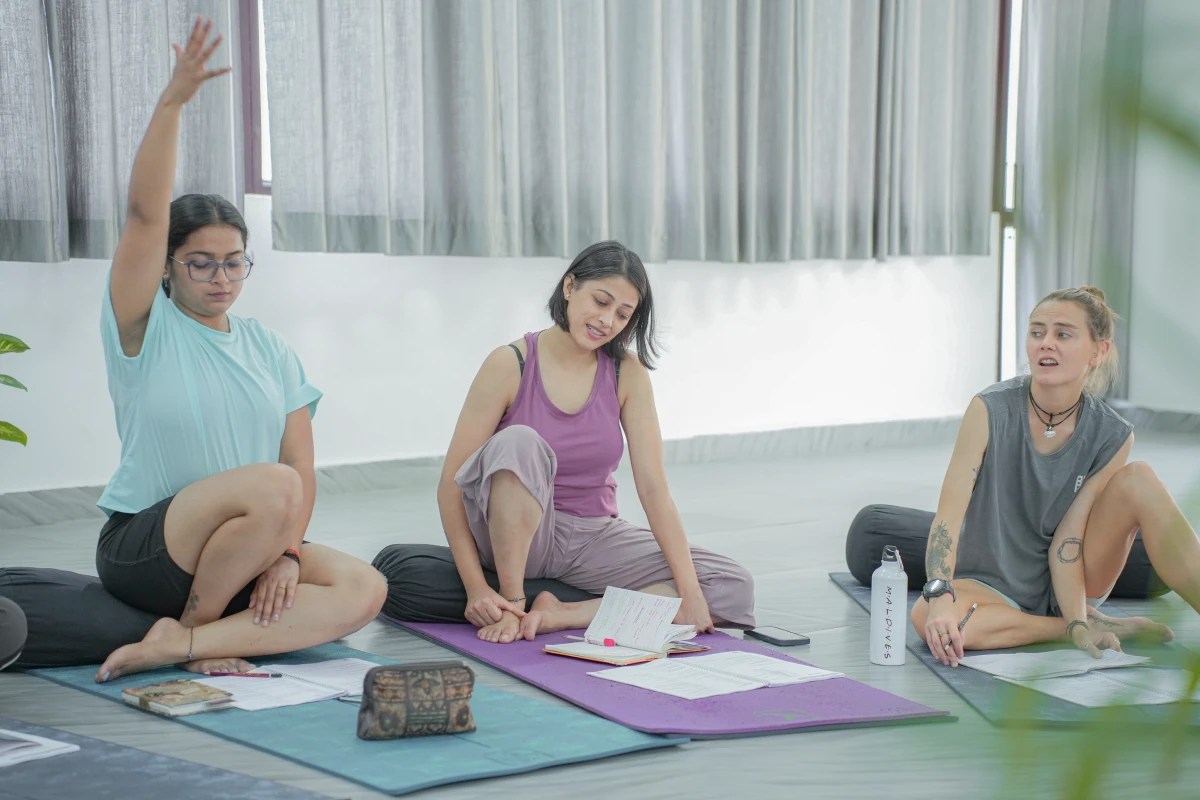
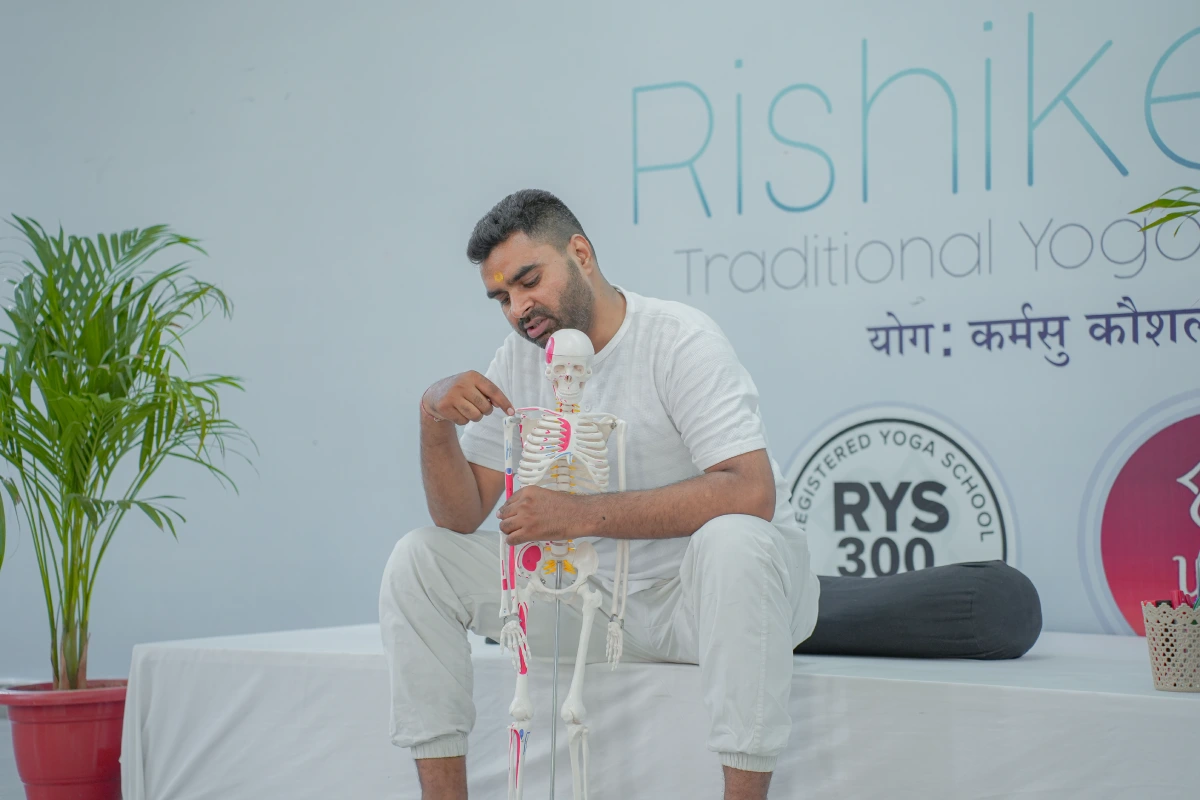
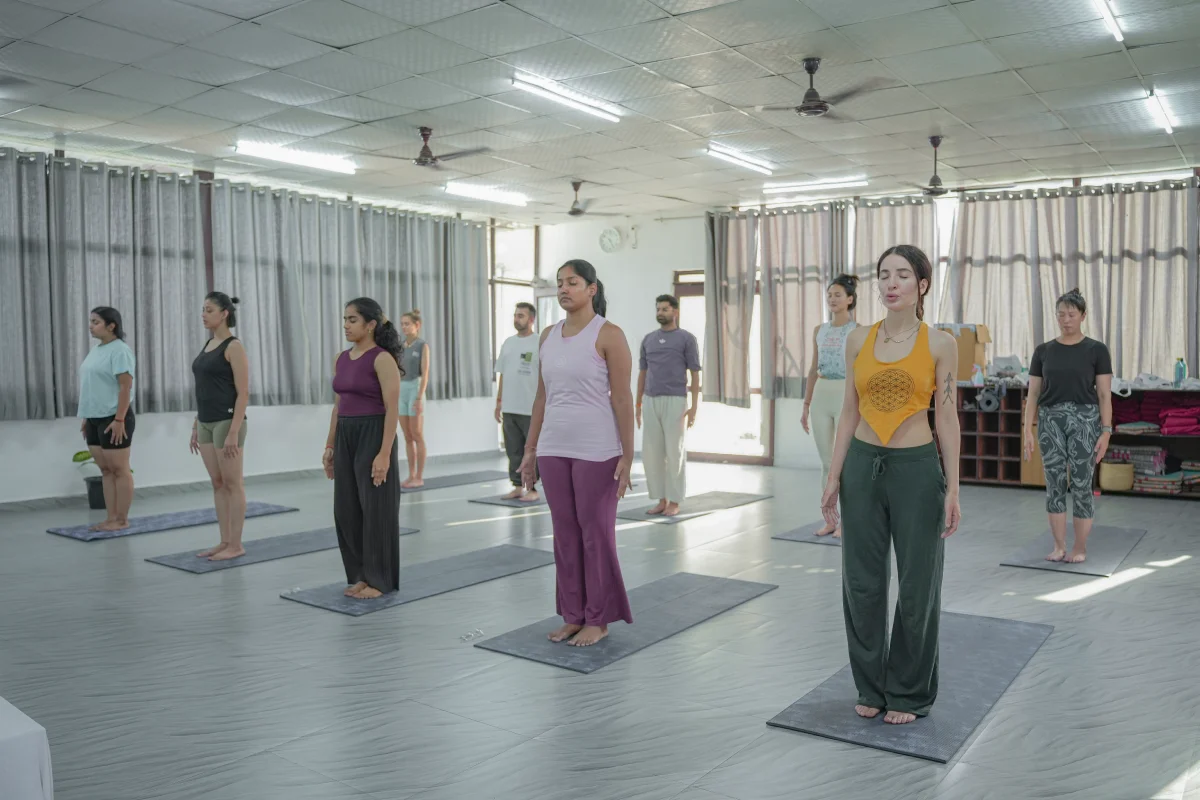
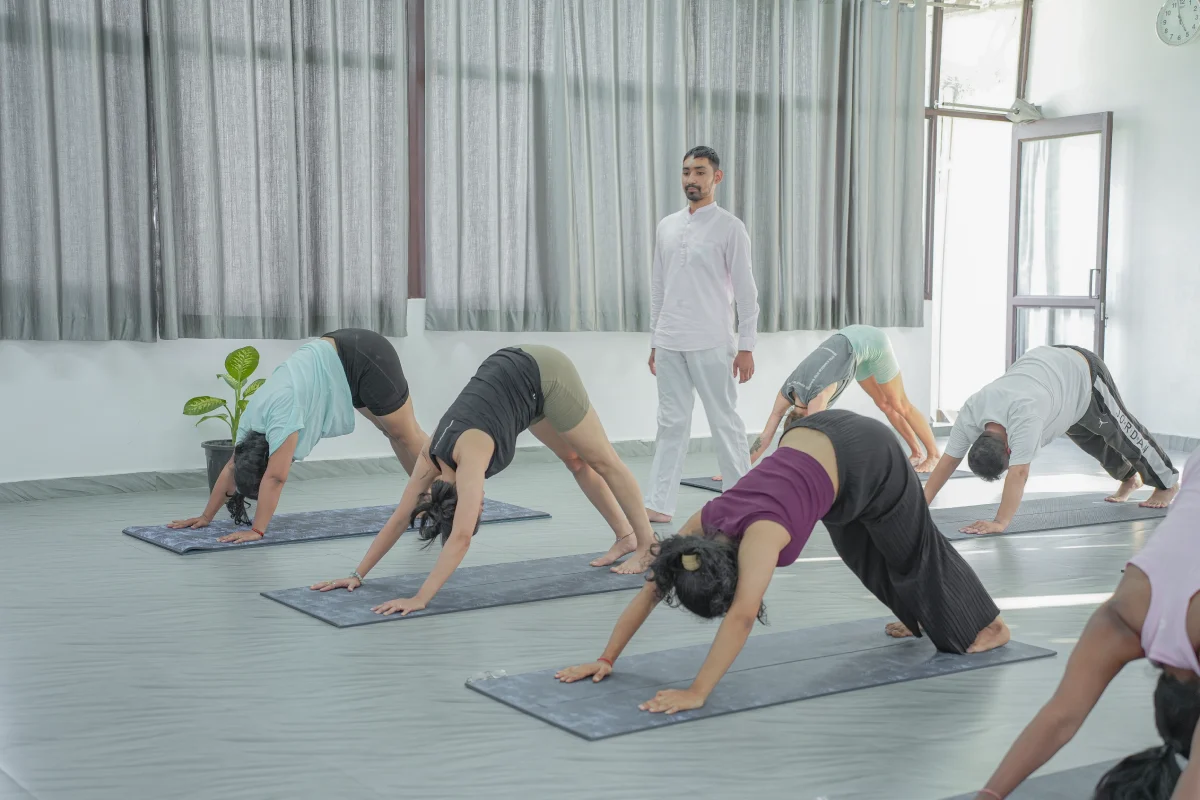
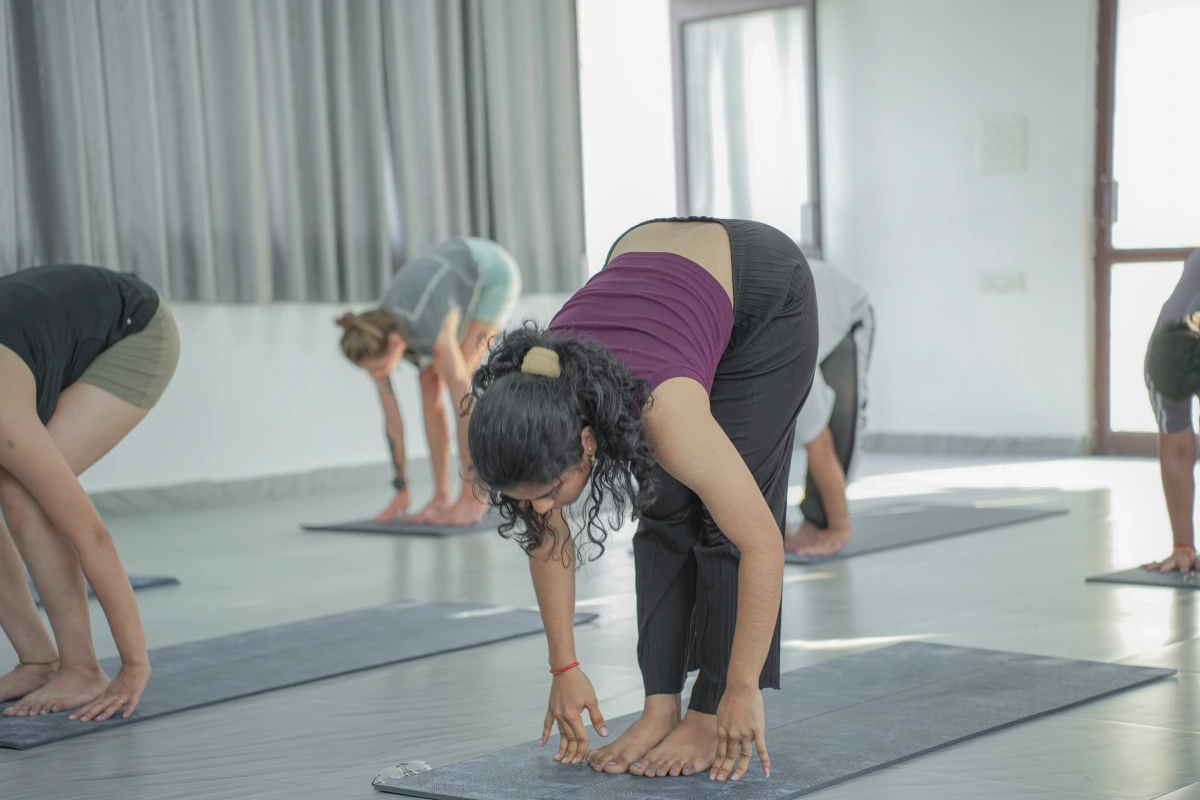
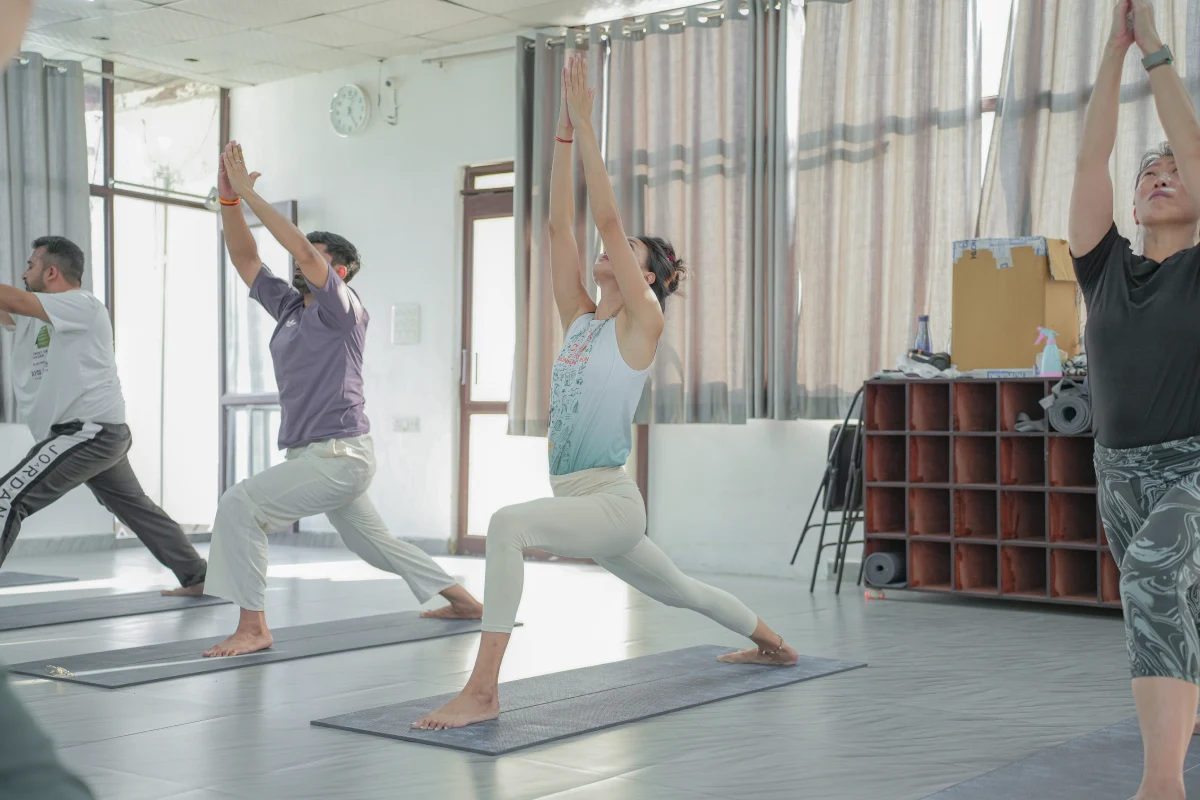
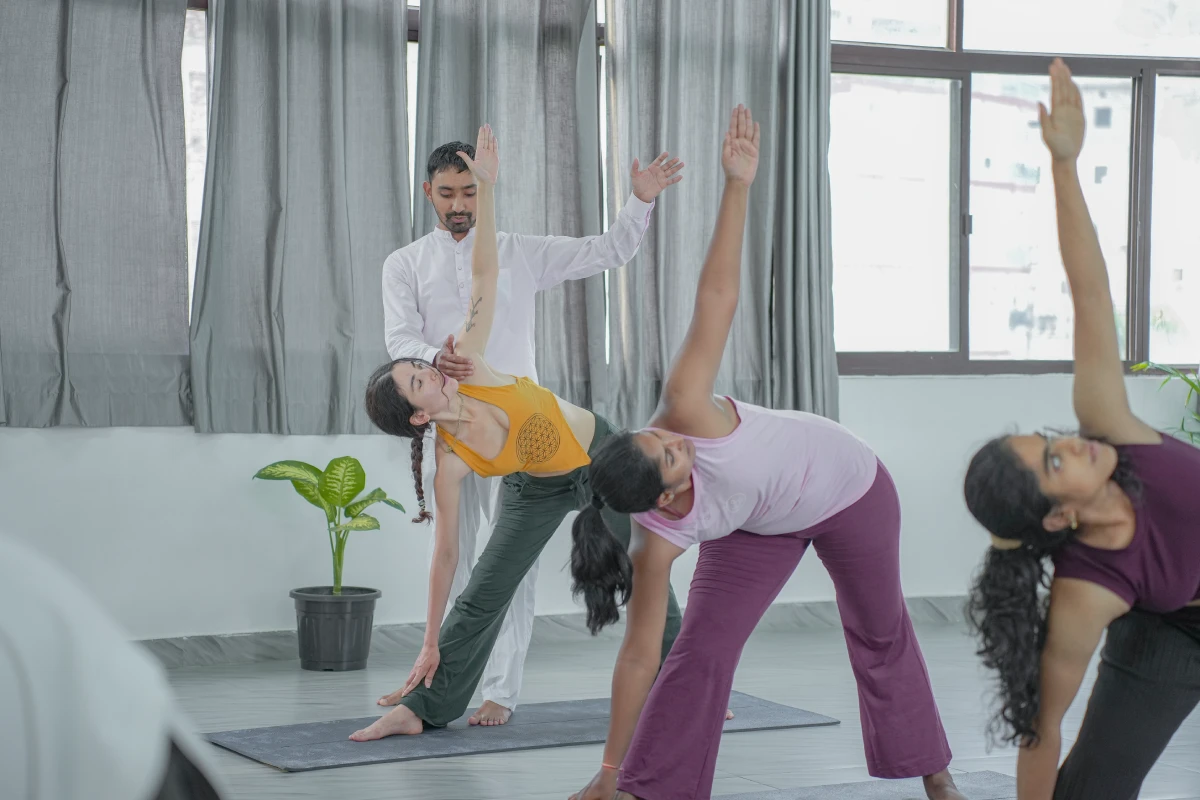
500-hour Yoga Teacher Training in Rishikesh - Complete Yoga Course
You spend weeks understanding yoga in this course. From unevenness in breathing to stable breath, imbalance posture to perfect positioning, and no to less control over emotions to complete takeover of your inner energy channels, you learn everything in this course. This course can sound like a portal to a true yogi life.
Apart from a disciplined routine, clean food, and simple living, you also experience personal growth, healing, and mental awakening. We have seen students and their mind-blowing transformations. They feel like shedding their worn-out self and gaining new confidence that is built by working hard on their inner core.
This course is divided into two halves. The first half is a 200-hour Yoga Teacher Training (YTT) where you learn the theoretical part, philosophical texts, basic understanding of yoga, yoga’s existence, ancient wisdom, beginner-friendly asanas, and meditation practice. In the second half, which is 300 hours of YTTC, you learn advanced yoga, teaching methodology, and complete anatomy and physiology of the human body. It is a mix of science and traditional knowledge, making this course a complete learning experience.
- Beginner to master level understanding of yoga
- Intentional flow creation and breath awareness
- Learn adaptability, agility, flexibility & conscious living
- Mindful practices, healing, recovery, and holistic living
- Professional learning with Yoga Alliance certification
- Traditional practice, spiritual awakening & becoming a teacher


Why This Yoga Course?
What Changes Does This Yoga Teacher Training Course Bring You?
Many will tell you to come with no expectations for this course, but we don’t recommend it. We want you to have a checklist before arriving here because it is important to understand how you came and what you have become. In this 500-hour Yoga Teacher Training in Rishikesh, this course is self-reflection, self-discovery, and self-realisation. It revolves around your personal progress first. You have to work on yourself before becoming a yoga teacher. You have to accept your flaws and let yoga be your enlightenment.
In all these weeks, you are challenged and guided by mentors, and as time goes by, you can expect unbelievable changes in your habits, routine, self-esteem, and communication. Knowledge brings confidence, and it shows in you throughout the course.
As the Bhagavad Gita says, “Samatvam Yoga Uchyate”—yoga is a state of balance. As you indulge in it, you learn to respond with consciousness, your words soften, and your reactions turn into mindful actions. It humbles you. Clarity replaces confusion. You start believing in the power of silence and stillness.
Yoga is older than many civilisations, and its relevance reflects its transformational power. It is also proven that regular yoga and meditation can improve grey matter in the brain, which is responsible for memory and emotional regulation. Yoga is not successful when you learn it; it is successful when you practice it regularly.
Experience Yoga Teacher Training Program in Rishikesh
Why Choose Rishikesh for Your 500-Hour Best Yoga Teacher Training Experience?
Rishikesh means “Lord of the Senses.” It is believed that Lord Vishnu appeared here as Hrishikesh, symbolising the one who has mastery over the senses. In this way, yoga and Rishikesh share a deep connection. Yoga, too, teaches us to master and control our senses.
There is not just one, but many reasons to choose Rishikesh for your yoga teacher training. We all know that it is situated in the foothills of the Himalayas, that Maa Ganga, our holy river, flows here, and that it has been walked by great saints and yoga practitioners. But what many people don’t realise is that it is also an energy experience. It is the hub of yoga scholars and philosophers, and at every corner, there is a story that tells us more about the place and its culture. Rishikesh for yoga training is also a blessing, and it comes in the form of learning.

Eligibility Criteria for 500 Hour Yoga TTC in Rishikesh
We don’t call it a completely beginner-friendly course because it is an immersive and rigorous training, but the way we teach at our school makes it easy for new learners. If you are above 18 years old, then this is the most suitable course for you. We have designed it keeping beginners in mind. Since you learn it in a stretch, there are many levels of learning. And if you have already completed a 200-hour Yoga Teacher Training (YTT) course and want to enrol in this program, then it is also a good choice.
उद्धरेदात्मनात्मानं नात्मानमवसादयेत्।
आत्मैव ह्यात्मनो बन्धुरात्मैव रिपुरात्मनः॥
Remember that you have to uplift yourself at every point; do not let yourself fall. Your mind can be your best friend or your biggest enemy, so be mindful.
- Be prepared for long practice hours
- Avoid if you have any chronic physical injury, or discuss it with us in advance
- Prepare yourself for a yogi lifestyle (simple and curious)
- Having prior certification is helpful but not mandatory
- Be more mentally and physically prepared


Sankalpa
An intention that is set with clarity.
Shuddhi
Purification of body, mind & intent.

Sattva
Balance, clarity & purity.
Prakriti
Nature and the material universe.
Learn from the Best Yoga School in Rishikesh
Benefits of Joining a Yoga Alliance USA Certified Teacher Training Course
This is a Yoga Alliance certification course, so you become eligible to teach yoga anywhere in the world. And since the school is situated in Rishikesh, you get to experience yoga in its most authentic form. You spend weeks getting trained here, so there is a strong possibility that you adopt this as a lifestyle. The biggest learning this course provides is removing irregularities from your life. You adapt to an active lifestyle, conscious and purpose-driven living, and learn traditional ways of practising yoga, yoga philosophy, chanting mantras, reading the Yoga Sutras of Patanjali, and more. The scope of learning expands as you practice, and you learn more than 100 yoga asanas, which is phenomenal.

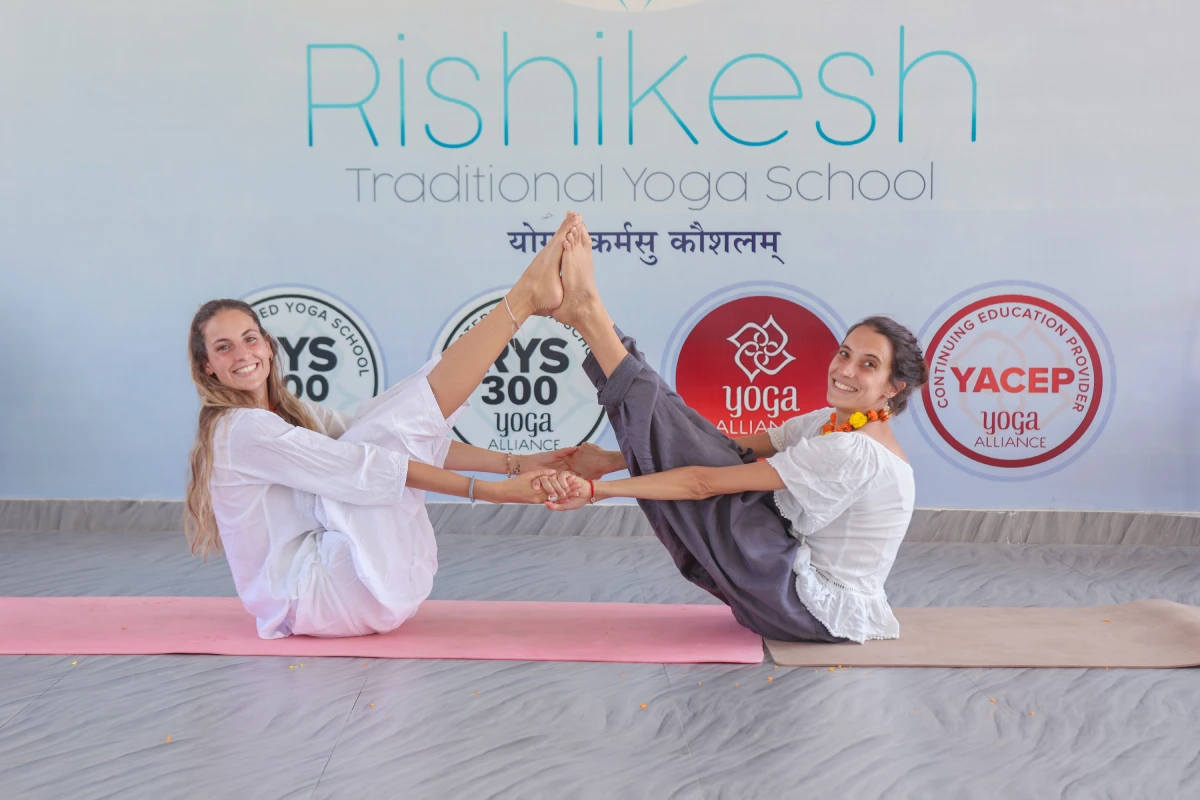
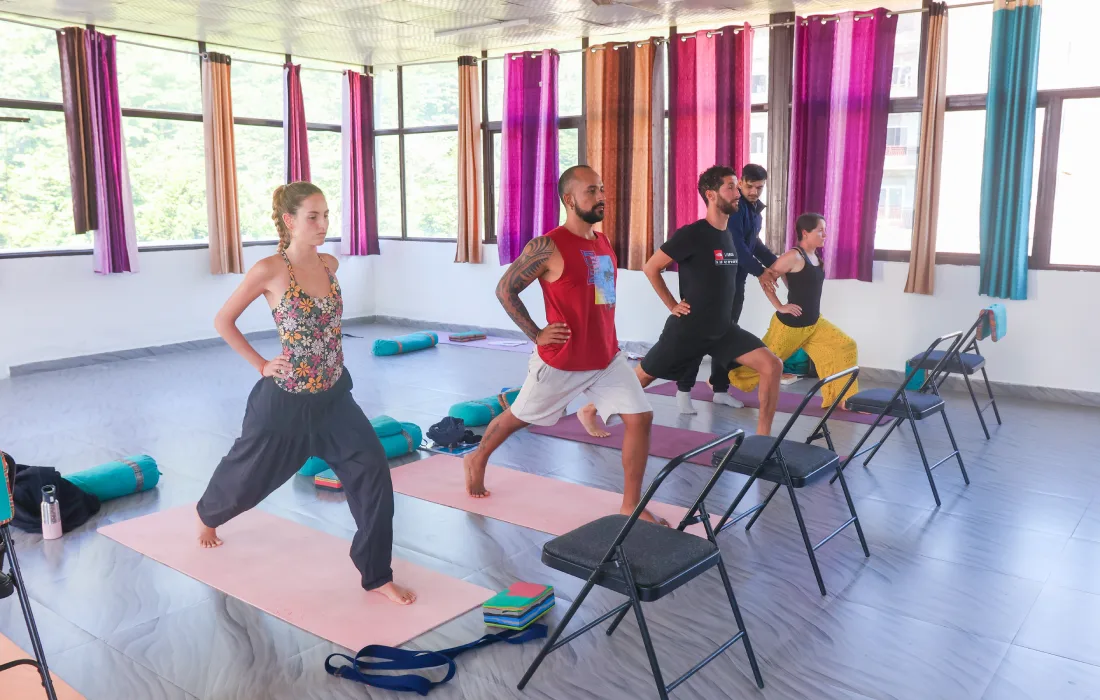
The yoga TTC in Rishikesh is a blend of teaching methodology and self-learning. It focuses on a real identity shift, and you learn different yoga forms like Ashtanga Vinyasa Yoga, Hatha Yoga, Yin Yoga, and Yoga Therapy, both theoretically and practically. You can also open your own yoga studio or join as a yoga instructor in Rishikesh or anywhere in the world. You gain access to the global yoga community and connect with nature, mankind, and the cosmic universe throughout your stay with us.

Balancing stress & chaos
Learn balance, discipline, and breath sequencing for a calmer internal state. Handle your problems like a yogi.

Extensive theory & text readings
Develop a stronger intellect through traditional texts, shloka readings, and yoga concepts. Dive deep into interpretations of yoga.

Global career opportunities
Get certification from a Yoga Alliance-registered school and start educating everyone on yoga with credibility. Become a professional in just weeks.
Mental detox & spiritual uprising
This course brings clarity to your decisions and makes you spiritually stronger. You feel closer to the divine and remove all the clutter.
Perfection in body alignment & posturing
By practising yoga postures again and again, you tend to build more patience and perfection over time. Learn 100+ postures, Banthas, Chakras & Mudras.
Satsang, silence & ceremonies
Enjoy gatherings of like-minded people and listen to devotional songs and meditate under the guidance of well-learned yoga gurus.
Connecting with self
Let your body, senses, and mind surrender to self through continuous yoga practice and build a higher consciousness with inner reflection and awareness.
Lifestyle shift
Experience a yoga journey from nervous breakdown to building emotional strength. From inactive & low energy living to a productive lifestyle.
Best 500-Hour Yoga Teacher Training School in Rishikesh
Course Timeline – 500-Hour Yoga Teacher Training Course
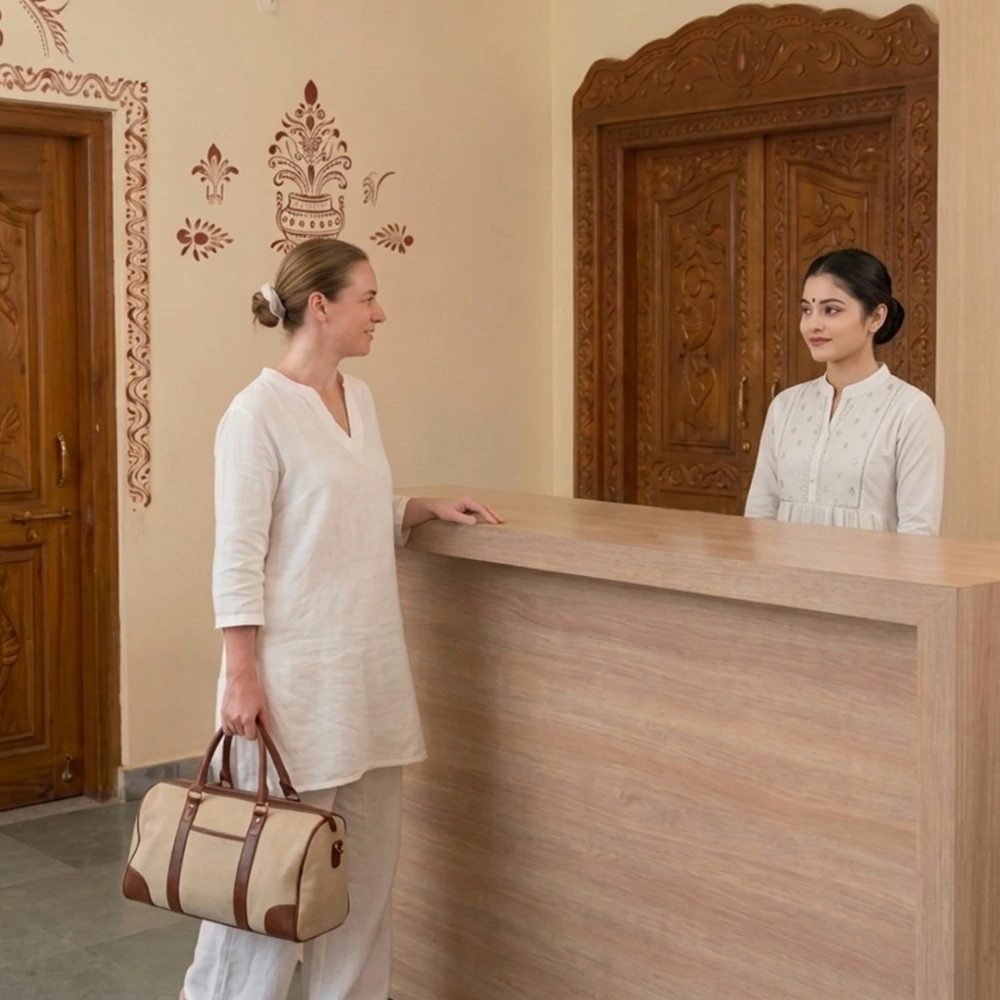
This yoga course is 52 days long. In this 500-hour Yoga Teacher Training in Rishikesh, if it starts on the 2nd of June (for example), then it ends on the 28th of July. It runs throughout the year in different batches. It is a running course; if you sign up for it, make sure you check in on the 1st of your chosen month or reach the school premises by 11 AM on the 2nd.
The course begins with ceremonies, orientation, and rituals, and your teachers will guide you with further instructions regarding classes and the overall schedule. A written examination is conducted before the closing ceremony and is a mandatory requirement for successful course completion. The closing ceremony takes place on the 28th of the concluding month, followed by check-out on the 29th. In case of any emergency or need to reschedule your course, we kindly request that you inform our team in advance so we can assist you accordingly.
Check-in time
1st of the month
11:00 AM onwards
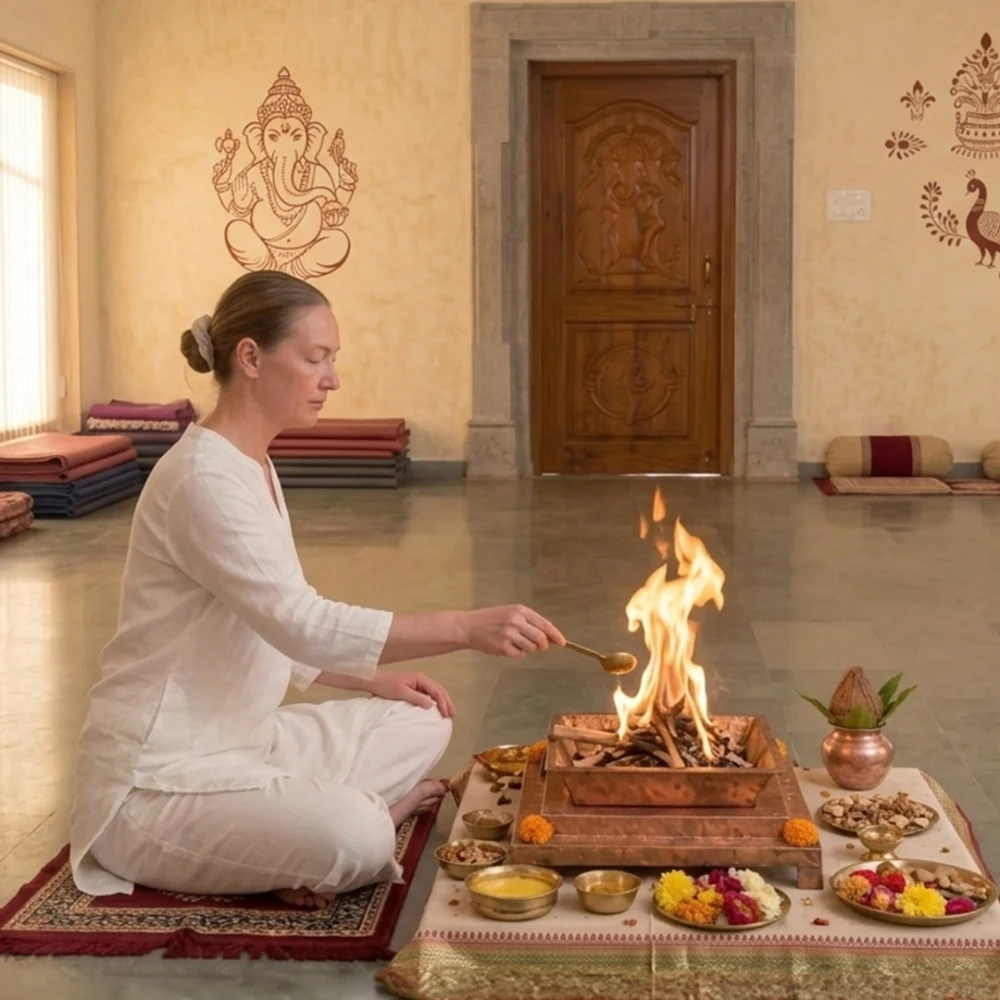
Welcome Ceremony
2nd of the month
09:00 AM, IST
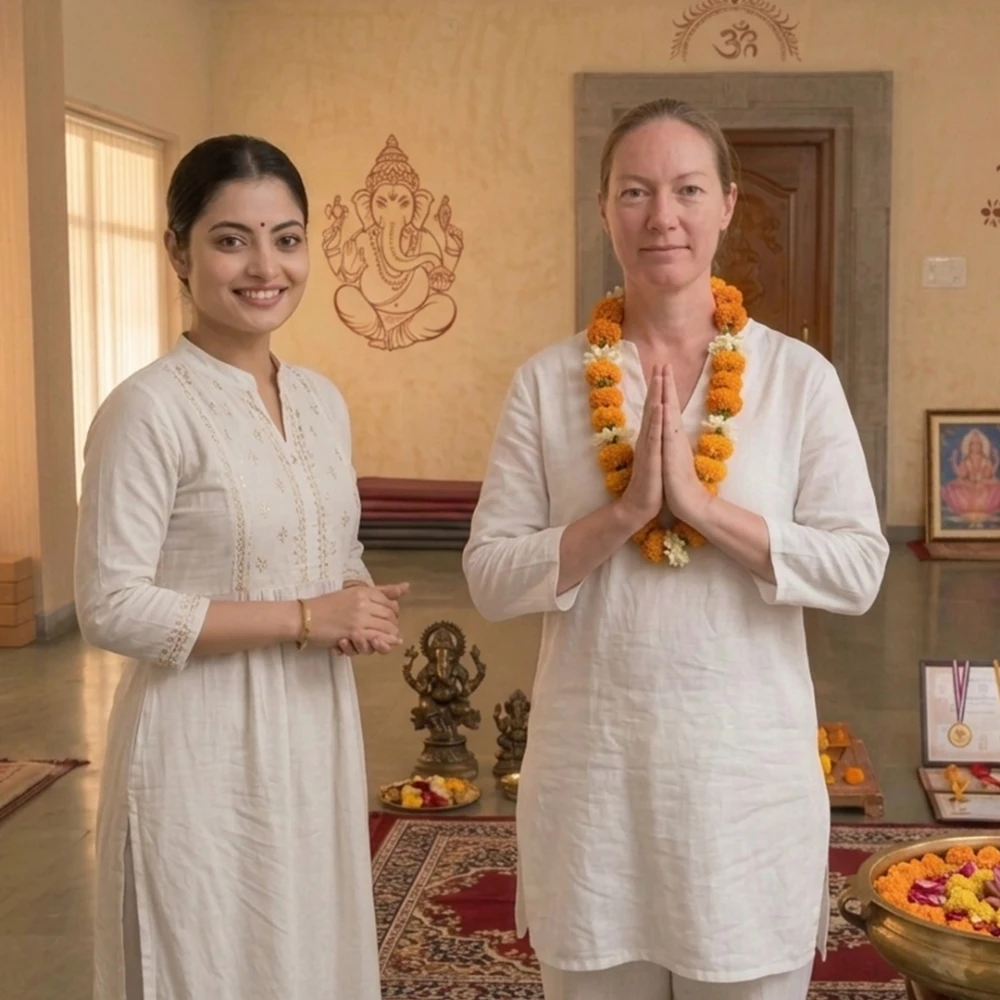
Certificate Ceremony
27th of the next month
10:00 AM, IST
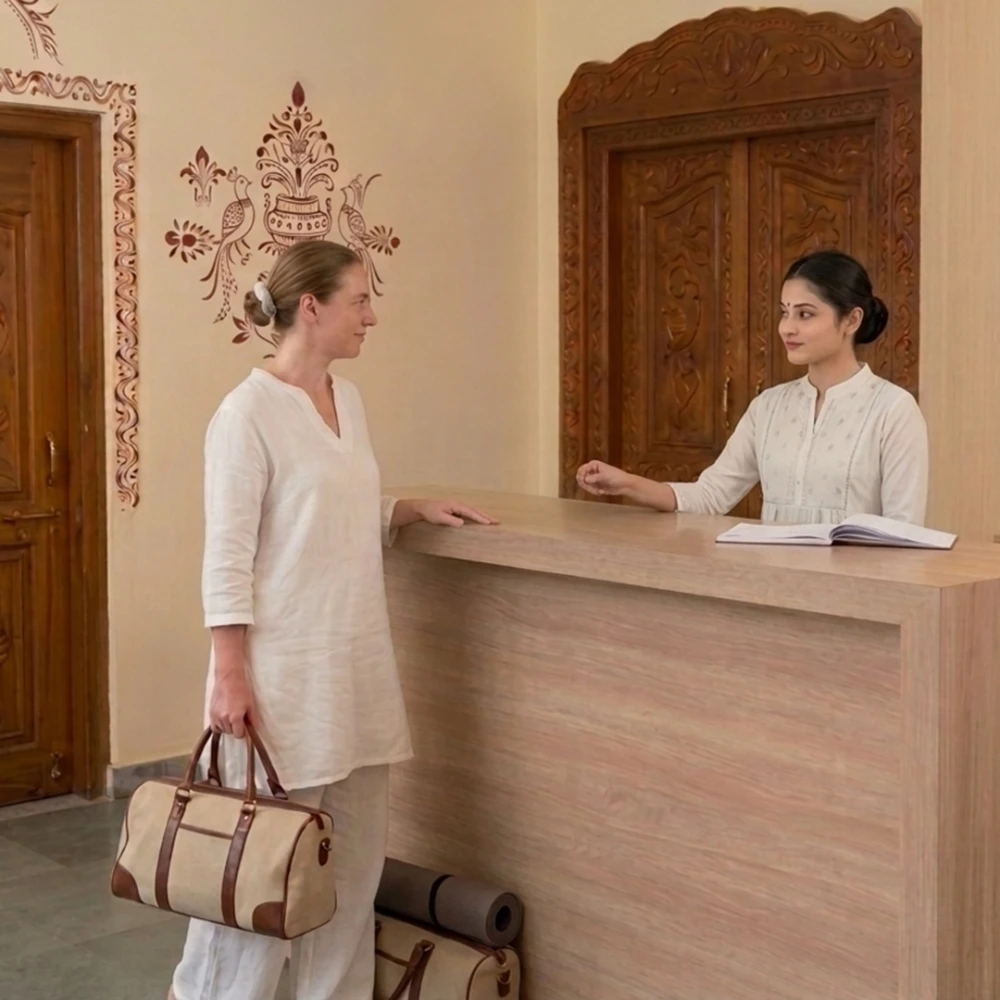
Check-out
28th of the next month
Before 04:00 PM IST
Yoga Courses in Rishikesh | RYT 500
Curriculum – 500-Hour Yoga TTC
This is a 500-hour Yoga Teacher Training Course which includes Hatha, Ashtanga Vinyasa, Pranayama, Yoga Philosophy, Anatomy & Physiology, Breath Sequencing & Practicum, Meditation & Mindfulness, and Shatkarma classes (basic cleansing techniques), Ceremonies & Celebrations. These classes are well-structured and organised, and you will also learn mudras & bandhas, mantra chanting, along with knowledge of Ayurveda and teaching methodology. The focus is to train you to become a yoga teacher. You will learn from different teachers and experience their diverse teaching styles for every subject, making it more interesting for students.
How Your 500 Hour Yoga TTC are structured
Daily classes plus guided self-study across a 52-day residential immersion.
352hrs
148hrs
500hrs
Out of 52 days, 8 days are non-teaching and include the Opening Ceremony, Closing/Certificate Ceremony, and an excursion. These are part of the overall training experience.
First Month Syllabus For 500 Hour Yoga Teacher Training Course In Rishikesh
Mantra Chanting is an important part of the yogic tradition that helps calm the mind and create a deeper sense of awareness. In this class, students learn the correct pronunciation, meaning and significance of traditional Sanskrit mantras. Regular chanting helps improve concentration, balance emotions and create a peaceful inner state. Through guided practice, students experience the power of sacred sound and its ability to support both personal and spiritual growth.
- Gayatri mantra
- Sahana Bhavatu
- Guru Brahma Guru Vishnu
- Mantra Science
- The power of Mantra
- Origin of mantra
- Mantra is not a religion
- The vibration of sound
- Om Chanting
- Om Namah Shivaya Chant
- Dum Durgayai Namah
- Kundalini Mantra chant
- Om Namo Bhagavate Vasudevaya chant
- Om Ganapati
- Asato ma sadgamaya
- Twameva Mata ca Pita
- Trayambakam Yajamahe
- Yogena Chittasya
- Surya Namaskar 12 Mantra (Om Mitraya)
Traditional Hatha Yoga is one of the oldest and most respected paths of yoga, designed to create balance between the body and mind. In this subject, students learn traditional Hatha Yoga postures, breathing techniques and the principles behind each practice. Regular practice helps improve strength, flexibility, posture and mental clarity. Along with physical training, students gain an understanding of the philosophy and purpose of Hatha Yoga, building a strong foundation for a deeper and more meaningful yoga journey.
Theory:
- Hatha Yoga with the connection of chakras and Nadis
- Hatha Yoga Philosophy
- Meaning of Yoga Therapy
- Ancient Scriptures
- Aim and Objectives
- Balancing
Practice:
- Asthi Granthi Kriya / Pavan Muktasana series 1
- Asthi Granthi Kriya / Pavan Muktasana series 2
- Centering postures series
- Sun Salutation / Surya Namaskar
- Moon Salutation / Chandra Namaskar
- Standing postures
- Kneeling postures
- Sitting postures
- Forward bending postures
- Backward bending postures
- Supine postures
- Prone postures
- Fire series
- Inversions
- Twisting postures
- Balancing postures
- Relaxing posture
- Meditative asana
Ashtanga and Vinyasa Yoga are dynamic styles of yoga that combine movement with conscious breathing. In this subject, students learn how to move smoothly from one posture to another while maintaining awareness of the breath. The practice helps build strength, flexibility, balance and stamina while improving focus and concentration. Students are introduced to the foundational sequences, proper alignment and safe transitions between postures. Different variations and modifications are also explored, allowing practitioners of all levels to develop confidence and progress in their practice.
Theory / Philosophy:
- Introduction
- History
- Awakening
- The Breath of Life
- Prana
- A Chakra Contemplation
- How to Do Bandha
- Drishti
- Cleansing and Purification
- Creating A Sacred Place
- The Challenging Asanas
- Props and Instruments
- Sun Salutation A and B
- Standing Asana Series
- Sitting Asana Series
- Finishing Asana Series
- Teaching Practices
Practices:
- Pādāṅguṣṭāsana
- Pādahastāsana
- Utthita Trikoṇāsana
- Utthita Pārśvakonāsana
- Prasārita Pādottānāsana
- Pārśvottānāsana
- Utthita Hasta Pādāṅguṣṭāsana
- Ardha Baddha Padmottānāsana
- Utkatāsana
- Vīrabhadrāsana
- Dandasana
- Paścimattānāsana
- Pūrvattānāsana
- Ardha Baddha Padma Paścimattānāsana
- Tiryaṅgmukha Ekapāda Paścimattānāsana (intense stretch)
- Jānuśīrṣāsana
- Marīcāsana
- Nāvāsana
- Bhujapīḍāsana
- Kūrmāsana
- Supta Kūrmāsana
- Garbha Piṇḍāsana
- Kukkuṭāsana
- Baddha Konāsana
- Upaviṣṭha Konāsana
- Supta Konāsana
- Supta Pādāṅguṣṭāsana
- Ubhaya Pādāṅguṣṭāsana
- Ūrdhvamukha Paścimattānāsana
- Setu Bandhāsana
Finishing Postures:
- Ūrdhva Dhanurāsana
- Salāmba Sarvāṅgāsana
- Halāsana
- Karṇapīḍāsana / Ūrdhva Padmāsana
- Piṇḍāsana
- Matsyāsana
- Uttāna Pādāsana
- Cakrāsana
- Śīrṣāsana
- Baddha Padmāsana
- Yoga Mudra
- Padmāsana
- Utpluṭiḥ
- Savasana
Pranayama is the practice of conscious breathing that helps balance the flow of vital energy within the body. In this subject, students learn a variety of traditional breathing techniques and understand how the breath influences both the body and mind. Regular practice can improve lung capacity, increase mental clarity and help reduce stress and anxiety. Students also explore the deeper connection between breath, awareness and overall well-being, making Pranayama an essential part of a balanced yoga practice.
Theory / Philosophy:
- What is Prana
- What is Pranayama
- What is breath and its connection with Prana
- Importance and benefits of Pranayama
- How to prepare ourselves to practise
- Aspects of Breathing
- Ancient texts of Breathing
- General understanding
- Understanding the nostrils and how to activate them
- Secrets of Pranayama
- Breath flow in the 5 elements
- Unit of Prana
- Function of Prana
- Three levels of Prana
- Three Gunas
- How does prana flow
- Quality of breath
- Imbalance of Prana
- Retention of breath
- 6 sitting positions for Pranayama practice
- Breathing pattern
- Prana connection with chakras and Kundalini
Practices:
- Clavicular Pranayama
- Thoracic Pranayama
- Diaphragmatic Pranayama
- Yogic Pranayama
- Pranava Pranayama
- Nadi Shodhana Pranayama
- Bhastrika Pranayama
- Kapalbhati Pranayama
- Bhramari Pranayama
- Ujjayi Pranayama
- Sitali Pranayama
- Sitkari Pranayama
- Murcha Pranayama
- Surya Bhedi Pranayama
- Chandra Bhedi Pranayama
Meditation is a powerful practice that helps quiet the mind and develop a deeper connection with the present moment. In this subject, students learn traditional meditation techniques that support mental clarity, emotional balance and inner peace. Regular meditation can improve focus, reduce stress and create a greater sense of awareness in daily life. Students are guided through different methods of meditation, proper sitting postures and breathing practices to help build a consistent and meaningful meditation practice.
Theory / Philosophy:
- Introduction to Meditation
- History of Meditation
- Preparation to Meditation
- What is Meditation and what it is not
- Why, How, Where, When Meditation
- Philosophy of Meditation
- Meditation Traditions
- Meditation Scriptures
- Aim and Objectives of Meditation
- Sitting Positions
- How to Sit Correctly
- Preliminary Practices Before Meditation
- Role of Diaphragmatic Breathing in Meditation
- Correct Breathing in Meditation
- How to Relax in Meditation
- Lifestyle, Diet, Sleep, Sex, Job — Rules in Meditation
Practices:
- Tratak Meditation
- Music Meditation
- Om Meditation
- Mantra Power Meditation
- Dynamic Moving Meditation (Osho)
- Buddha Walking Meditation
- Basic Foundation Meditation Practice
- Breath, Mind, Mantra Awareness
- Karma Yoga Meditation
- Natraj Meditation
- 7 Chakra Awareness Meditation
- Ajna Chakra Awakening Meditation
- Kundalini Active Meditation
- Breath Awareness (Anapana)
- Mindfulness and Sensation
- Total Awareness Practice
- Mantra and Kirtan Meditation Practices
- How to Do Japa (recitation)
- Kirtan Evening and Creating a Spiritual Vibe
- Silence Practice
- One Day Silence Meditation
Yoga Nidra, often known as yogic sleep, is a guided relaxation practice that brings the body into a state of deep rest while keeping the mind aware. In this subject, students learn the principles and techniques of Yoga Nidra and its benefits for physical, mental and emotional well-being. Regular practice can help reduce stress, improve sleep quality and promote inner calm. Students also explore body awareness, visualisation, and intention setting while learning how to confidently guide themselves and others through a complete Yoga Nidra session.
Theory / Philosophy:
- Meaning and Purpose of Yoga Nidra
- Different Schools and Traditions of Yoga Nidra
- Tantric Origin of Yoga Nidra
- Lifestyle and Rules for Yoga Nidra Practitioners
- Benefits and Risks of Yoga Nidra
- Difference Between Yoga Nidra and Meditation
- Yoga Nidra Experience
- Yoga Nidra and Healing
- 4 States of Consciousness
- 3 Body Awareness
Practices:
- Tension Relaxation
- Full-body Relaxation — basic Yoga Nidra
- Inner Silence Yoga Nidra
Shatkarma is a traditional yogic cleansing practice that helps purify the body and prepare it for deeper yoga practices. In this subject, students learn the purpose and benefits of the six classical cleansing techniques described in Hatha Yoga. These practices help remove impurities, improve overall health and support the smooth flow of vital energy throughout the body. Students also gain an understanding of how Shatkarma can enhance the effectiveness of pranayama, meditation and other yogic practices by creating a stronger foundation for physical and mental well-being.
Theory / Philosophy:
- What is Satkarma
- Benefits and Risks
- Who Should and Should Not Practise It
- Experiences
- Preparation to Satkarma
- Practices After Completing It
- Nadi Cleansing
Practices:
- Jihwa Dhauti
- Danta Dhauti
- Karna Dhauti
- Rubber Neti
- Jalaneti
- Kapalbhati
- Agnisara
Yoga Philosophy provides a deeper understanding of the wisdom and teachings that form the foundation of yoga. In this subject, students explore important yogic concepts such as dharma, karma, self-awareness and the purpose of life. They learn how these ancient teachings can be applied in everyday life to create greater balance, clarity and inner peace. Students also gain insight into the different paths of yoga, helping them develop a more meaningful connection with their practice both on and off the mat.
- Why is Yoga Philosophy the Most Important Among All?
- Introduction to 9 Major Indian Philosophies
- Introduction to Indian Culture, Spirituality and the Himalayan Tradition
- Introduction to the Ancient Scriptures of Yoga and Spirituality
- Meaning and Purpose of Indian Philosophy
- History of Yoga
- Types of Yoga
- Patanjali and His Work
- Introduction to the Yoga Sutra Text
- Eight Limbs of Yoga
- Yamas and Niyamas
- Philosophy of Asana and Pranayama
- Science of Karma
- Philosophy of Concentration, Meditation, and Samadhi
- Overview of First Chapter
- Overview of Second Chapter
- Overview of the Third and Fourth Chapter of Patanjali
- Mind and Its Control
- Introduction to Bhagavad Gita and Upanishads
- Chakras
- Nadi
- Kundalini
- Three Fold Pain
- Three Bodies (Sharira)
- Panchakosha
- Tri-guna
- Mahabhuta (Theory of Elements)
Yoga Anatomy helps students understand how the body moves and functions during yoga practice. In this subject, students learn the basic structure of the human body, including the muscles, joints, bones and major body systems that support movement. This knowledge helps practitioners perform postures safely, improve alignment and reduce the risk of injury. Students also learn how to adapt and modify poses for different body types and abilities, creating a safer and more effective yoga practice for themselves and others.
- Introduction to Body and Its Structure
- Body Planes
- Anatomical Movements
- Bones of the Skull
- Cervical Vertebrae
- Shoulder Girdle / Arm Bones / Pelvic Region
- Deformities of the Spine
- Lower Extremity
- Tendons and Ligaments
- Muscular System
- Nervous System
- Respiratory System
- Nadi (Energy Channel)
- Chakras (Energy Centres)
- Kundalini (Prime Energy and Source of All Creativity)
- Panchakosha (5 Layers)
- Pancha Mahabhuta (5 Elements and Body Structure)
- Tri-Guna (Three Attributes)
Alignment is an essential part of a safe and effective yoga practice. In this subject, students learn the correct positioning of the body in different yoga postures to improve stability, balance and body awareness. Understanding proper alignment helps prevent injuries and allows practitioners to experience the full benefits of each asana.
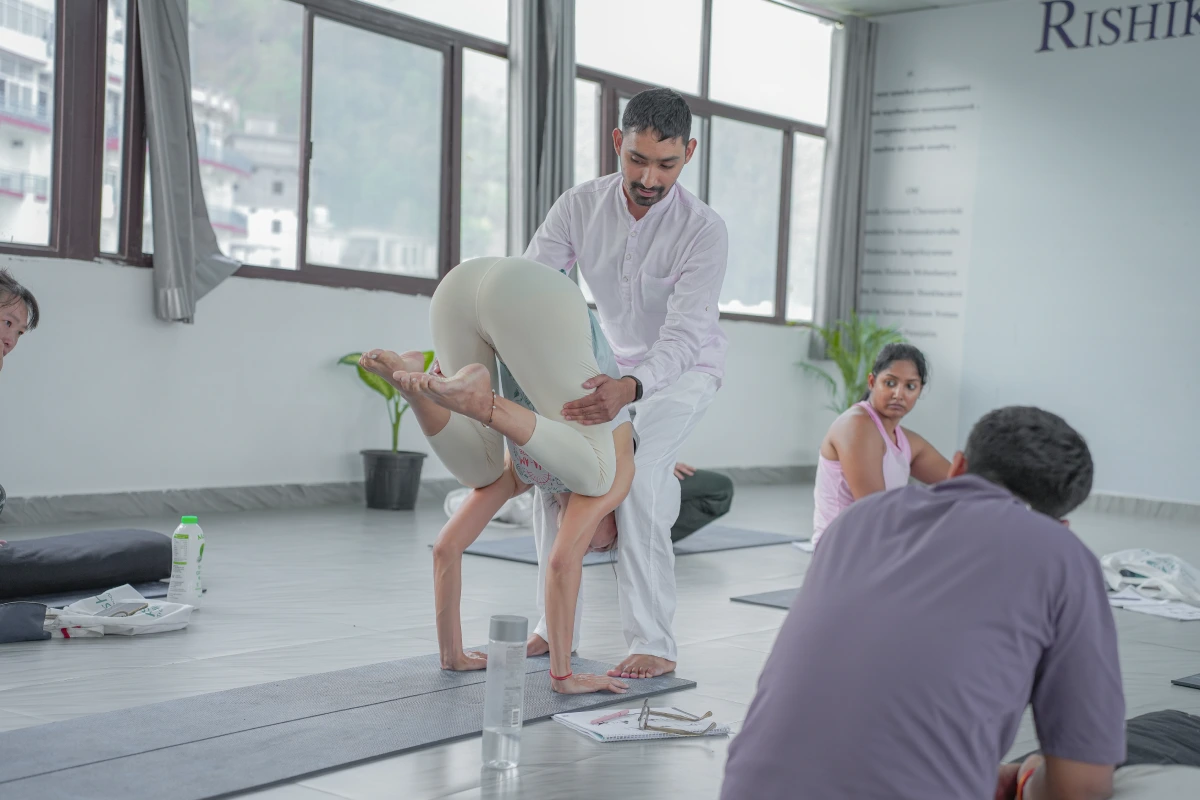
Adjustment introduces students to the fundamentals of safely assisting others in yoga postures. Students learn how to provide gentle guidance that helps improve alignment, deepen awareness and support a more comfortable practice. This subject also emphasises safety, respect and understanding individual body differences during adjustments.
Ayurveda is the ancient science of natural healing that works hand in hand with yoga to support overall health and well-being. In this subject, students learn the basic principles of Ayurveda and how lifestyle, nutrition and daily habits can help create balance in the body and mind. The course also introduces important professional and ethical guidelines for teaching and therapeutic practice, including responsibility, communication, informed consent and maintaining a safe and respectful environment for students.
Yoga Therapy:
- What is Yoga Therapy
- Rules and Regulations of Yoga Therapy
- Healing Through Asana, Pranayama and Meditation
- Therapy for Common Diseases
Ayurveda:
- Unique Features of Ayurvedic Treatment
- Ayurveda and Its Diversified Areas
- Ashtanga Ayurveda
- Fundamentals of Ayurveda
- Panchamahabhuta
- Kapha (theme of structure and lubrication)
- Vata (energy of movement)
- Pitta (energy of bio-transformation and heat generation)
- Prakriti — Know Your Constitution
Mudras are simple yet powerful hand gestures used in traditional yoga practices to direct and balance the flow of energy within the body. In this subject, students learn the meaning and purpose of various mudras and how they can support physical, mental and emotional well-being. Regular practice of mudras can help improve concentration, enhance meditation and create a greater sense of inner balance. Students also explore the connection between the elements, energy channels and the role of mudras in supporting overall harmony and awareness.
- The Secrets of Mudra
- The Position of Elements in the Hands
- The Need for Mudra
- The Importance and Advantages of Mudras
- Special Guidelines About Mudra
- Gyan Mudra (Gesture of Wisdom)
- Purn Gyan Mudra (Gesture of Complete Wisdom)
- Vairagya Mudra (Gesture of Dispassion)
- Abhaya Mudra (Gesture of Blessing, Fearlessness)
- Dhyan Mudra (Meditation Mudra)
- Vayu Mudra (Gesture of Air)
- Pran Mudra (Gesture of Prana)
- Prithvi Mudra (Gesture of Earth)
- Surya Mudra (Gesture of Sun)
- Varun Mudra (Gesture of God of Water)
- Shoonya Mudra (Gesture of Openness, Space)
- Pran-Apan Mudra (Gesture of Prana Apana)
Bandhas are important yogic techniques that help direct and control the flow of vital energy within the body. In this subject, students learn the purpose and practice of the three primary bandhas and how they support pranayama, meditation and advanced yoga practices. When applied correctly, bandhas can help improve concentration, increase energy awareness and deepen the overall yoga experience. Students are guided step by step to develop a safe understanding of these powerful energy locks under proper supervision.
- Meaning and Importance of Energy Lock
- Why the Energy Lock and How Our Energy Gets Drained
- Energy Knots and How to Open Them
- Understanding the Three Chakras: Muladhara, Manipura, Vishuddhi
- Experience of Energy Lock
- Benefits and Risks of Bandha Practices
- Agnisar (Preparation to Uddiyana)
- Vahir Kumbhaka (External Retention)
- Antar Kumbhaka (Internal Retention)
- Ashwini Mudra to prepare Mulabandha
- Vajroli Mudra to prepare Mulabandha
- Mulabandha
- Uddiyana Bandha
- Jalandhara Bandha
Teaching Methodology helps students develop the skills and confidence needed to become effective yoga teachers. In this subject, students learn how to structure and lead a yoga class, give clear instructions and create a safe learning environment for practitioners of different levels. The course also covers class sequencing, posture adjustments and injury prevention techniques. Beyond teaching physical postures, students learn how to support and inspire others while developing the communication and leadership skills needed to guide meaningful yoga classes.
- Not to forget the sequence
- Avoid injuries
- Manage happiness during and after the practice
- Work with all sides of Yoga and all levels
- Give a meditative experience
- Manage and balance the energy flow
Here is what you will learn:
- Proper demonstration of a yoga practice
- The proper way to instruct and guide a lesson
- Proper alignment of yoga postures
- Proper adjustment with / without props
- Yogic personality establishment
Course concludes with a practical and written assessment designed to evaluate each student's understanding of yoga and teaching abilities. Students are encouraged to demonstrate their knowledge, confidence and skills in leading a safe and well-structured yoga class. Upon successful completion of the training, graduates receive an internationally recognised 200 Hour Yoga Teacher Training Certification. This certification allows eligible students to register as an RYT 200 with Yoga Alliance and begin their journey as a certified yoga teacher anywhere in the world.
- Performance during the course
- Attendance
- Practical asana demonstration test
- Written test (objective and subjective type)
- Behaviour
Second Month Syllabus For 500 Hour Yoga Teacher Training Course In Rishikesh
Advanced Traditional Hatha Yoga training follows a traditional approach that gradually prepares the body and mind for deeper practice. Students begin by refining the foundations before progressing into more challenging postures and longer holds. As strength, flexibility and awareness develop, the practice becomes more fluid and meditative. With personalised guidance from our teachers, students learn proper alignment, breath awareness and the finer details of each posture to support a safe and rewarding practice.
Here is the list of asana series that will be practised:
- Joints and glands exercises — foundation practices
- Joints and glands exercises — advanced practices
- Centering postures series
- Sun Salutation — with holding, Mantra, Chakra awareness and flow
- Moon Salutation — with holding, Mantra, Chakra awareness and flow
- Standing intermediate and advanced postures series
- Kneeling postures series
- Sitting postures series
- Forward-bending postures series
- Backward-bending postures series
- Supine postures series
- Prone postures series
- Fire series
- Inversions series
- Twisting postures series
- Balancing postures series
- Relaxing posture series
- Meditative asana series
Philosophy of Hatha Yoga can truly change your concept of yoga — it is much more than the movement:
- Philosophy of Sun Salutation
- Philosophy behind each yoga asana
- Hatha yoga and energy awakening
- Asana and yoga sadhana
- Benefits of asana practices
- Rules and regulations
- Advancing your yoga pose
Ashtanga and Vinyasa Yoga at the 300 Hour level are designed to help students deepen their practice and teaching skills. The focus moves beyond the fundamentals into more advanced postures, breath awareness and flowing sequences. Students learn how to create well-balanced classes, guide safe transitions and adapt practices for different levels of practitioners. Through consistent practice and expert guidance, they develop greater strength, control, confidence and a deeper understanding of movement and breath.
Theory / Philosophy:
- Principles of vinyasa krama and intelligent sequencing
- Tristhana — breath, bandha and drishti in flow
- Ujjayi breathing and breath-led movement
- Building peak-pose sequences
- Creating themed and level-appropriate classes
Practices:
- Sun Salutation A and B — advanced refinement
- Advanced standing series
- Advanced seated and forward-bending series
- Arm balances and transitions
- Advanced backbends
- Inversions and finishing series
- Smart transitions and jump-throughs
Shatkarma is an important part of traditional yogic practice that helps purify the body and prepare it for deeper spiritual disciplines. In the 300 Hour Yoga Teacher Training Course, students develop a more advanced understanding of the classical cleansing techniques and their role in supporting pranayama, meditation and overall well-being. The training also focuses on the safe application of these practices, allowing future teachers to confidently guide and educate their students with proper knowledge and awareness.
Theory / Philosophy:
- What is Shatkarma and why it matters
- Benefits, risks and contraindications
- Who should and should not practise it
- Preparation and aftercare
- Nadi cleansing and the flow of prana
Practices:
- Jala Neti and Rubber (Sutra) Neti
- Kapalbhati
- Agnisar Kriya
- Trataka
- Danta, Jihwa and Karna Dhauti
Advanced Alignment helps students develop a deeper understanding of posture, body awareness and precise movement in yoga practice. In this subject, students learn how to refine advanced asanas through proper alignment techniques that support stability, safety and ease. The training focuses on understanding individual body differences and applying alignment principles to help students practice more effectively while reducing the risk of injury.
- Meaning and sense of alignment
- Role of alignment in daily practice
- Prana and chakras — how to balance them
- 5 koshas and alignment
- Importance of Alignment
- Aspects of Alignment
- Avoiding injuries through alignment
- Enhancing the movement of joints
- Alignment based on body regions
- Upper Limb alignment
- Lower Limb alignment
- Torso, Thorax, Abdomen and Pelvis Alignment
- Head and Neck Alignment
- Spinal alignment
- Basic alignment postures
- How to bring the body into comfort
- How to find balance between body and mind
Advanced Adjustment teaches students how to safely and effectively support others in their yoga practice through hands-on guidance. In this subject, students learn proper adjustment techniques for a variety of postures while respecting individual body differences and limitations. The training focuses on improving alignment, enhancing body awareness and building the confidence needed to provide safe and meaningful adjustments in a yoga class.
Theory:
- What is the sense of yoga adjustment
- What is the level of yoga adjustment
- Why adjustment is needed in yoga asana
- Role of adjustments in a yoga asana class
- Right technique of perfect adjustment
- How to apply a bandha and when
- Exploring the dynamics of each asana
- How to self-adjust in a posture
- How to adjust others during the class
- Pre-required methods of adjustment
- Uses of different tools and props to achieve the peak of a posture
- Body weight management during a posture
- Safety rules and preparations
Ayurveda is the ancient Indian science of health and wellness that focuses on creating balance between the body, mind and spirit. In this subject, students learn the basic principles of Ayurveda, including daily lifestyle practices, nutrition and natural ways to support overall well-being. The course helps students understand how Ayurvedic wisdom can complement and enhance their yoga practice.
Basic principles and introduction of Ayurveda:
- Fundamentals of Ayurveda
- Tridosha concept (Vata, Pitta, Kapha)
- Kapha (theme of structure and lubrication)
- Vata (energy of movement)
- Pitta (energy of bio-transformation and heat generation)
- Prakriti — Know Your Constitution
- Pancha Mahabhuta Concept
- Prakruti (body constitution)
- Vikruti
- Sapta Dhatu (body elements)
- Mala (waste products)
- Srotas (body channels)
- Agni (digestive fire)
- Koshta (alimentary tract)
- Ama (metabolic toxins)
Bandhas are powerful yogic energy locks that help direct and awaken the flow of vital energy within the body. In the 300 Hour Yoga Teacher Training Course, students build upon the foundational knowledge gained during their 200 Hour training and explore the three primary bandhas in greater depth. Through guided practice, students learn how to integrate bandhas into pranayama, meditation and advanced yoga techniques to enhance awareness, concentration and energetic balance.
Here is what you will learn:
- Energy lock and awakening of dormant prana
- How does the Bandha help to stop draining your prana shakti
- Unblocking your system and free flow of energy through Bandha
- Unlocking 3 knots — Brahma, Vishnu, and Shiva
- The outcome of the practice
- Precautions
- Health and spiritual benefit
Practices (Beginners and Intermediate Level):
- Advance level Agnisar Kriya
- Advancing the power of internal retention
- Advancing the power of external retention
- Ashwini Mudra to prepare Mulabandha
- Vajroli Mudra to practise Mulabandha
- Mulabandha — Anal lock
- Uddiyana Bandha — Abdominal lock
- Jalandhara Bandha — Throat lock
- Maha Bandha — Great Lock
Classical Dance is a unique addition to our 300 Hour Yoga Teacher Training Course, offering students a creative way to experience the deeper aspects of yogic expression. In this subject, students learn traditional movements inspired by Indian culture and spirituality, including the sacred Ganesha Vandana. Through posture, gesture, rhythm and mindful movement, students develop greater body awareness, concentration and emotional balance. This practice helps cultivate grace, devotion and a deeper connection between movement, breath and inner expression.
We introduce classical dance to our students because it is a complete yogic practice done with:
- Concentration
- Mudra
- Conscious movement
- Awareness of emotions
- Eye movements
- Mantra
- Music
Advanced Pranayama helps students develop a deeper awareness of breath and the flow of vital energy within the body. In this subject, students explore traditional breathing techniques with greater precision, control and understanding. Regular practice enhances concentration, emotional balance and inner awareness while strengthening the connection between breath and mind. Through guided training, students gain the knowledge, confidence and practical experience needed to safely incorporate advanced pranayama techniques into their personal practice and teaching.
Every week will lead to a different state of experience:
- Week 1: Moving towards advancement of your pranayama practices
- Week 2: Variations and experiment
- Week 3: Breathing for awakening nadis and chakras
- Week 4: Teaching practices and mastery of breathing
Topics you will be learning for the study of Pranayama:
- Pranayama — link of happiness
- Physiology of prana
- Elements in the nature of prana
- Prana body types
- Astrology of breathing science
- Prana and its routes
- How prana flows in the body
- Relationship of prana and consciousness
- How many breaths we take
- Research on prana — to get favourable outcomes
- Health parameter with breath length
Mudras are powerful yogic gestures that help direct and balance the flow of energy within the body. In the 300 Hour Yoga Teacher Training Course, students explore traditional mudras in greater depth and learn how they can support meditation, concentration and inner awareness. Through regular practice, students experience the subtle effects of mudras on the mind and energy system while gaining the knowledge to safely incorporate these techniques into their personal practice and teaching.
Hast Mudra:
- Yoni Mudra
- Linga Mudra
- Bhairava Mudra
- Bhairavi Mudra
Energy Mudra:
- Viparita Karani Mudra
- Mahabandha Mudra
- Mahabheda Mudra
Energy Awakening Mudra:
- Ashwini Mudra
- Vajroli Mudra
- Sahajoli Mudra
- Shambhavi Mudra
Meditation in the 300 Hour Yoga Teacher Training Course goes beyond relaxation and basic awareness practices. Students are guided into a deeper exploration of the mind, learning how thoughts, emotions and inner patterns influence daily life. Through regular practice and traditional techniques, students develop greater concentration, self-awareness and mental clarity. This deeper understanding of meditation helps cultivate inner stillness, emotional balance and the ability to experience a more profound connection with oneself.
- Week 1: Strengthening the foundation of meditation
- Week 2: Intensifying focus and mindfulness
- Week 3: Advancing meditation techniques
- Week 4: Awareness and advanced energy meditation
What you will learn:
- What is mind and its role in meditation?
- Nature of mind and why it is restless?
- Meditation is Pratiprasava — reverse journey
- Brain waves in meditation
- Importance of music in meditation
- Emotional purification meditation
- Meditation and past life healing
- How to get Samadhi in meditation
Himalayan Meditation Practices:
- Advancing your foundation in meditation
- Awareness and mindfulness
- Anapana
- Jyoti Tratak Meditation
Nada Meditation Practices:
- Music Meditation
- Pranava Meditation
- Advance Mantra Meditation
Active Meditation Practices:
- Dynamic meditation
- Contemplative walking
- Meditation in daily life
Chakra and Energy Meditation Practices:
- Meditation for Muladhara Chakra
- Meditation for Swadhisthana Chakra
- Meditation for Manipura Chakra
- Meditation for Anahata Chakra
- Meditation for Vishuddhi Chakra
- Meditation for Ajna Chakra
- Meditation for Sahasrara Chakra
- Guru Chakra Meditation
- Chakra Awareness Meditation
Vipassana and Passive Meditation Practices:
- Breath awareness
- Mindfulness and sensation
- Total awareness practice
Kirtan Dhyan · Mantra Japa · Silence Practice
Mantra Diksha is a sacred yogic tradition in which students are introduced to the practice of mantra as a tool for inner growth and spiritual development. In this subject, students learn the significance, proper pronunciation and deeper meaning of traditional mantras. Regular mantra practice helps improve concentration, create mental clarity and cultivate a deeper connection with the self, supporting both personal and spiritual transformation.
Sanskrit syllable:
- 58 syllables and their power of vibration
How mantra vibrates in chakras:
- Each chakra has its own vibration
- Sound of Muladhara
- Sound of Swadhisthana
- Sound of Manipura
- Sound of Anahata
- Sound of Vishuddhi
- Sound of Ajna
- Sound of Sahasrara
Healing mantras:
- Mantras for physical healing
- Mantras for mental healing
- Mantras for emotional healing
- Mantras for spiritual healing
Mantras for planetary disorders:
- Mantra for Sun
- Mantra for Moon
- Mantra for Saturn
- Mantra for Vrihaspati / Guru
- Mantra for Mangala
How Mantra can heal different diseases:
- Mantra for cancer
- Mantra for HBP
- Mantra for heart problems
- Mantra in pregnancy
- Mantra for stress relief
- Mantra for concentration
Bija Mantras for the chakras:
- Muladhara — Lam
- Swadhisthana — Vam
- Manipura — Ram
- Anahata — Yam
- Vishuddhi — Ham
- Ajna — Om
- Sahasrara — Silence
Mantra Healing for all planets:
- Sun — "Om Hring Hraung Suryay Namah"
- Chandra (Moon) — "Om Aing Kling Somay Namah"
- Mangala — "Om Hung Shring Bhaumay Namah"
- Budha — "Om Aing Shring Shring Budhay Namah"
- Brihaspati Guru — "Om Hring Cling Hung Brihspatye Namah"
- Shukra — "Om Hring Shring Shukray Namah"
- Shani — "Om Aing Hring Shring Shanaishchray Namah"
- Rahu — "Om Aing Hring Rahave Namah"
- Ketu — "Om Hring Aing Ketave Namah"
Kundalini Yoga introduces students to traditional practices that help awaken and balance the body's subtle energy system. In this subject, students gain an understanding of Kundalini energy, the chakra system and the role these practices play in personal growth and self-awareness. Following the Himalayan yogic tradition, students are introduced to authentic techniques that support mental clarity, inner balance and a deeper connection with their spiritual practice.
In this lesson we teach:
- Kundalini asana
- Kundalini pranayama
- Kundalini kriya
- Kundalini meditation
Yoga Philosophy module in the 300 Hour Yoga Teacher Training Course takes students beyond the foundational teachings and into a deeper exploration of the traditional yogic texts. Students study the wisdom of the Yoga Sutras, Bhagavad Gita and other classical teachings to gain a broader understanding of the yogic path. This subject helps future teachers connect the philosophy of yoga with everyday life, allowing them to share yoga as a complete system for personal growth, self-awareness and inner transformation.
- Deeper study of Patanjali's Yoga Sutras — all four chapters
- Eight limbs of yoga in advanced practice
- Bhagavad Gita — karma, bhakti and jnana yoga
- Key teachings of the Upanishads
- The four paths of yoga
- Nadi, chakras and the subtle body
- Panchakosha and the three bodies
- Yogic ethics for the modern teacher
A strong yoga teacher understands how the body moves, responds and adapts to different practices. In the 300 Hour Yoga Teacher Training Course, students explore advanced anatomy and biomechanics to gain a deeper understanding of movement, alignment and injury prevention. The course also introduces the energetic aspects of the body from a yogic perspective, helping students connect physical practice with the flow of energy. This knowledge allows future teachers to guide students safely and adapt practices to individual needs.
- Functional anatomy of the spine, hips and shoulders
- Biomechanics of backbends, inversions and arm balances
- Joints, muscles and range of movement
- Common yoga injuries and how to prevent them
- Modifying advanced postures for different bodies
- Respiratory and nervous systems in practice
- Energetic anatomy — nadis, chakras and prana
- Panchakosha and the five elements
Yoga Therapy explores how the practices of yoga can be used to support overall health and well-being. In the 300 Hour Yoga Teacher Training Course, students learn how to apply asana, pranayama and meditation in a more therapeutic way to meet individual needs. The training covers the principles of designing safe and effective yoga practices for different conditions while maintaining professional and ethical standards. This subject helps future teachers develop a more compassionate and personalised approach to guiding their students.
- What is yoga therapy and how it works
- Professional and ethical standards, scope of practice
- Healing through asana, pranayama and meditation
- Therapeutic approach to back, neck and joint issues
- Yoga for stress, anxiety and sleep
- Designing a therapeutic sequence
- Working safely with special groups
Teaching Methodology at the 300 Hour level focuses on helping students become confident, skilled and authentic yoga teachers. In this subject, students refine their ability to plan and lead classes, give clear instructions and create meaningful experiences for their students. Through practice teaching and constructive feedback, they develop stronger communication, observation and leadership skills. The training also helps students discover their own teaching style while learning how to guide classes with confidence, presence and professionalism.
- Developing your own authentic teaching voice
- Advanced class planning and sequencing
- Clear cueing and effective demonstration
- Hands-on adjustment and use of props
- Managing a class and holding space
- Teaching mixed-level and advanced students
- Supervised teaching practicum with feedback
- The business of being a yoga teacher
Rishikesh is known for its spiritual atmosphere, the sacred Ganga River and the peaceful Himalayan foothills that surround it. To help students experience the true essence of yoga beyond the classroom, we organise weekly Yoga Sadhana sessions on the banks of Mother Ganga. Every Thursday morning, students gather in this serene natural setting to practice yoga, meditation and self-reflection while connecting with the powerful energy that has inspired yogis and seekers for generations.
What classes will be taught:
- Asana
- Pranayama
- Meditation
- Ganga Puja
At Rishikesh Traditional Yoga School, we believe that the quality of a teacher is reflected in the growth and success of their students. Our experienced teachers are dedicated to guiding, supporting and inspiring each student throughout their journey. Yoga is much more than learning postures or passing an examination. It is a lifelong path of self-discovery, discipline and personal transformation. Through continuous guidance and encouragement, students develop the confidence, knowledge and practical skills needed to overcome challenges both on and off the mat.
You will be evaluated in the following way:
- Performance
- Attendance
- Demonstration
- Practical test
- Written test
- Behaviour
Time Table of Our Yoga Teacher Training Course
Daily Schedule for 500-Hour Yoga Teacher Training in Rishikesh
This is a 52-day course in which you learn the Traditional + Spiritual + Teaching Methodology of Yoga. The course runs from Monday to Saturday. Sunday is a holiday, and we take students on excursion programs in the heart of Rishikesh. You enjoy a beautiful sunrise by the hills and then go river rafting in the Ganges, explore the Beatles Ashram, along with cave and temple visits. Breakfast, lunch, and dinner are also part of the schedule, and we advise you to follow the recommended timings to avoid any disturbance.
You can check the day-wise schedule below, and each class in this schedule is thoughtfully timed to avoid burnout. We don’t want students to feel exhausted during the classes. That is why we have maintained a smooth, consistent flow throughout your day.
Daily Schedule for 1st Month
Daily Schedule for 2nd Month
Depending on the season, weather the timetable and timings can be subject to change.
Check the Upcoming Yoga Classes of Our Teacher Training School in Rishikesh
Available Batches & Dates in Our Yoga Ashram
This course runs throughout the year, from January to December, offering flexible start dates for your convenience. We recommend scheduling your course at least 20 days in advance of your preferred start date. As seats fill quickly and many students book early to secure their spot, planning ensures better accommodation options and a smoother enrollment process. While last-minute bookings may be possible, availability is limited, and securing a spot can be challenging. We strongly encourage early registration to avoid disappointment and ensure a seamless experience.
01 Jan - 28 Feb 2026
Fully Booked
01 Feb - 28 Mar 2026
Fully Booked
01 Mar - 28 Apr 2026
Fully Booked
01 Apr - 28 May 2026
Fully Booked
01 May - 28 Jun 2026
Fully Booked
01 Jun - 28 Jul 2026
Fully Booked
01 Jul - 28 Aug 2026
Fully Booked
01 Aug - 28 Sep 2026
Fully Booked
01 Sep - 28 Oct 2026
Fully Booked
01 Oct - 28 Nov 2026
1 Seat Left
01 Nov - 28 Dec 2026
1 Seat Left
01 Dec - 28 Jan 2027
1 Seat Left
01 Jan - 28 Feb 2027
2 Seats Left
01 Feb - 28 Mar 2027
1 Seat Left
01 Mar - 28 Apr 2027
1 Seat Left
01 Apr - 28 May 2027
4 Seats
01 May - 28 Jun 2027
2 Seats Left
01 Jun - 28 Jul 2027
5 Seats
01 Jul - 28 Aug 2027
2 Seats Left
01 Aug - 28 Sep 2027
3 Seats
01 Sep - 28 Oct 2027
2 Seats Left
01 Oct - 28 Nov 2027
3 Seats
01 Nov - 28 Dec 2027
3 Seats
01 Dec - 28 Jan 2028
6 Seats
4 Shared Room
1248 USD
(Females Only)
3 Shared Room
1548 USD
(Females Only)
2 Shared Room
1898 USD
(With Private Balcony)
Private Room
2398 USD
(With Private Balcony)
What is Included?
 Accommodation
Shared accommodation
Sattvik Food
Daily Nutritious Vegetarian, Gluten free, Vegan meals and tea
Training Manual
Training Manual of program with Notebooks & pens
Cleansing Kit
Jal neti pot and Rubber neti
Fire Ceremony
Be part of Fire Ceremony
Ayurvedic Massage
1 Full Body Ayurvedic Massage
Excursions
2 excursions
Laundry Service
A low-cost laundry service available.
WI-FI Access
24x7 WI-FI Internet Available
Water Supply
24x7 Hot & Normal Water supply
CCTV surveillance
24x7 CCTV surveillance
Complimentary Sessions
Kirtan & Beach Yoga Sessions and more
Pickup Service
Free from Dehradun Airport/Rishikesh Bus and Railway Station
What Is Not Included With This Course?
 Air Fare
Air Fare and other expenses
Room Heater
At an additional cost of 150 USD
Air-conditioner
At an additional cost of 150 USD
Toiletries
We only provide toilet paper
What to Bring?
 Clothes
- Please Carry a White Dress For Course Cermony
- As for Yoga gear, we recommend carrying a couple of pairs of leggings or yoga pants and supportive tops, especially if you have a favorite style.
- Pants (for yoga, town, travel, hiking)
- Tops (for yoga, short or long sleeved shirts for other activities)
- Outer layer (sweatshirt or light jacket/fleece)
- Sleepwear
- Sandals or flip-flops
- Please carry a bath towel
 Yoga Mat
- Our schools offer mats however, if you are used to use your own, bring one from home.
- We Provide You All The Course Material
 Toiletries
- Carry essentials like deodorants, mosquito-repellents, sanitary towels, these are all you can buy From Nearby Shop locally
- Generally Things Like Soap Or Shampoo You Can Carry With You, Also You can Buy From Here with the nearby Shop.
 Medicines
- Yoga Schools usually offer Saatvic vegetarian meals. If you are not used to a completely vegetarian meal, we recommend carrying your supplements or multivitamins. In addition carry your supply of prescription medicines, medicines for allergies, flu, muscle pains or even eye drops for dryness.
Become a Yoga Alliance Certified Yoga Instructor
Get Yoga Alliance Certified from the Best Yoga School in Rishikesh
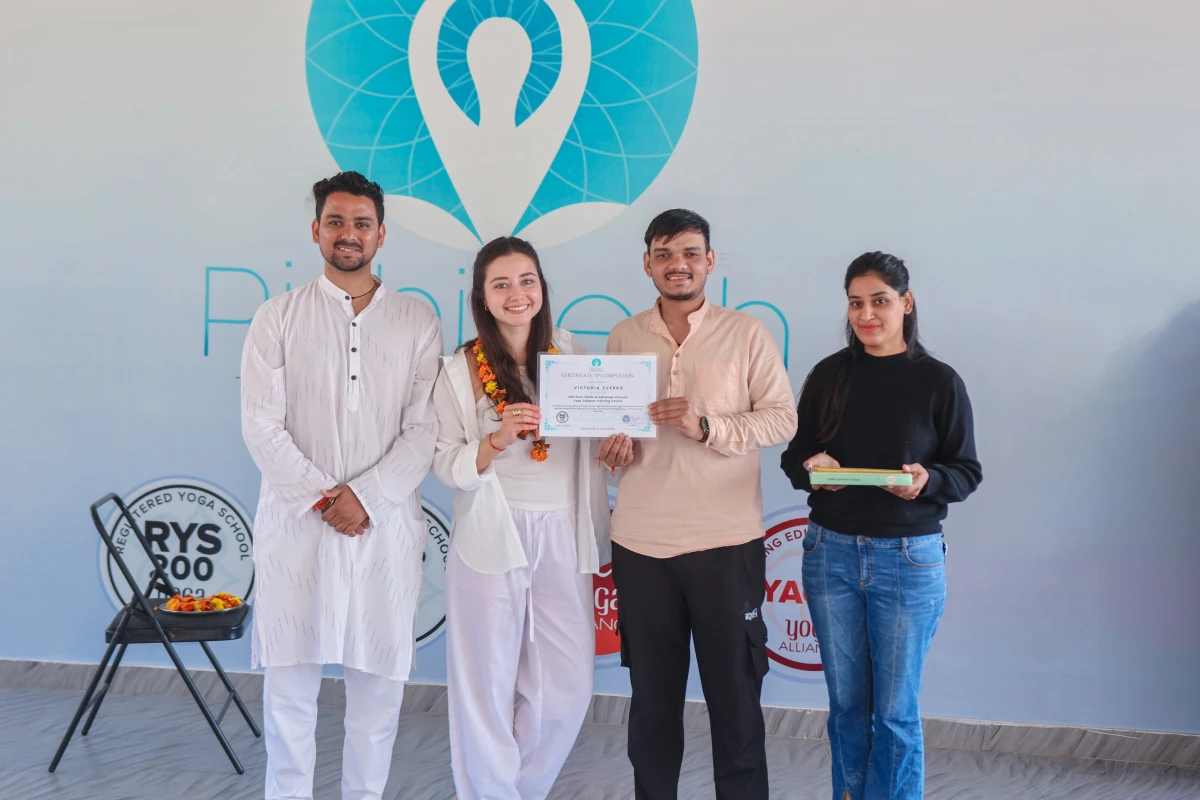
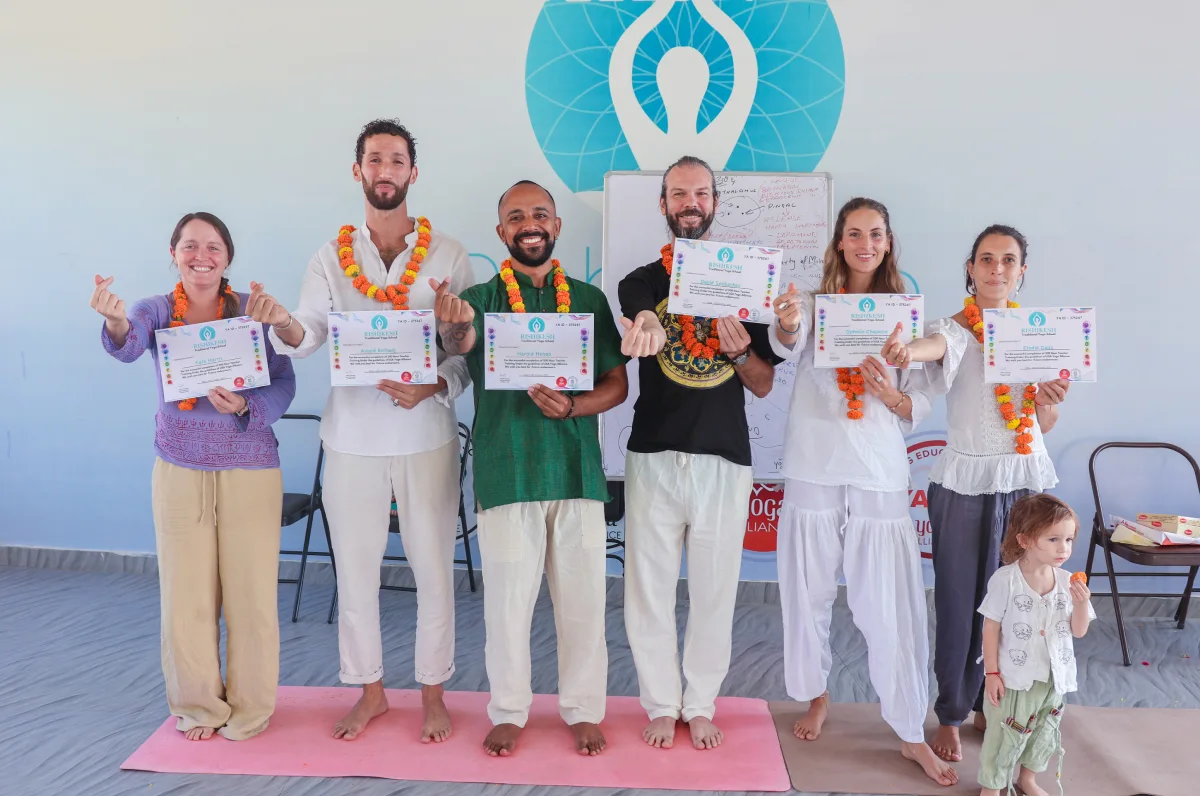
We hand over the certificate on the last day of the course after the examination. We celebrate this with joy and various sacred rituals that mark a new chapter in a student’s life. The ceremony includes teachers, students, staff, and everyone sharing their moments of gratitude and personal experiences. It is a heartfelt gathering where we dance, laugh & chant to acknowledge a new beginning with confidence and purpose. This sacred conclusion not only celebrates a student’s achievement but also inspires all of us to carry the essence of yoga forward with faith & freedom.
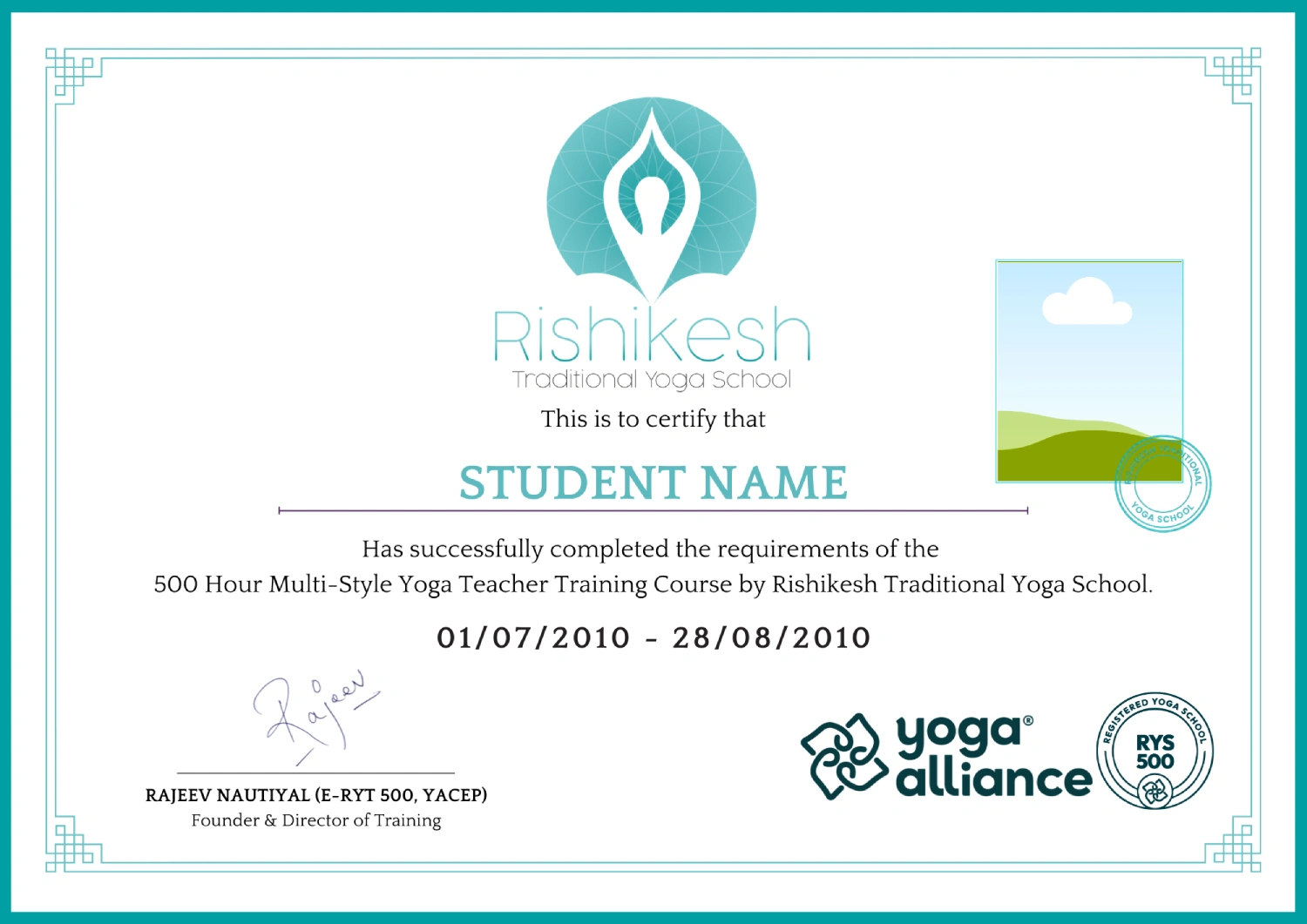
Enjoy Free Yoga Retreats with Our 500-Hour Yoga Teacher Training in Rishikesh
Learn Complementary YIN YOGA & Facial Yoga
We understand that every student comes here with expectations to learn and experience more than they have committed to. And to fulfil this wish, we provide complimentary 50-hour Yin Yoga and Facial Yoga with this course. These courses come under YACEP (Yoga Alliance Continuing Education Provider Program). You will also receive a separate certification for completing these courses along with the RYT 500-hour. YACEP focuses on meeting the teacher’s yearly requirement and also emphasizes learning different techniques and enhancing professional development.
Yin Yoga is about healing and giving rest to connective tissues through slow, meditative postures. This helps in relaxation and encourages emotional release that brings inner stillness and peace. This yoga is extremely beneficial after the course. Whereas Facial Yoga is best for natural rejuvenation. It tones facial muscles, improves blood circulation, and provides a radiant, natural glow to the face. Together, these practices complement each other and heal you inside out. We try our best to make you comfortable and satisfied throughout the course and expect nothing but happiness in return.
- It’s up to you whether you want to attend these classes.
- Classes can be adjusted or replaced with alternatives if required.
- You don’t have to prepare for these classes for the exam.
- These are free of cost and available to all enrolled students.
- These classes enhance your overall yoga learning experience.
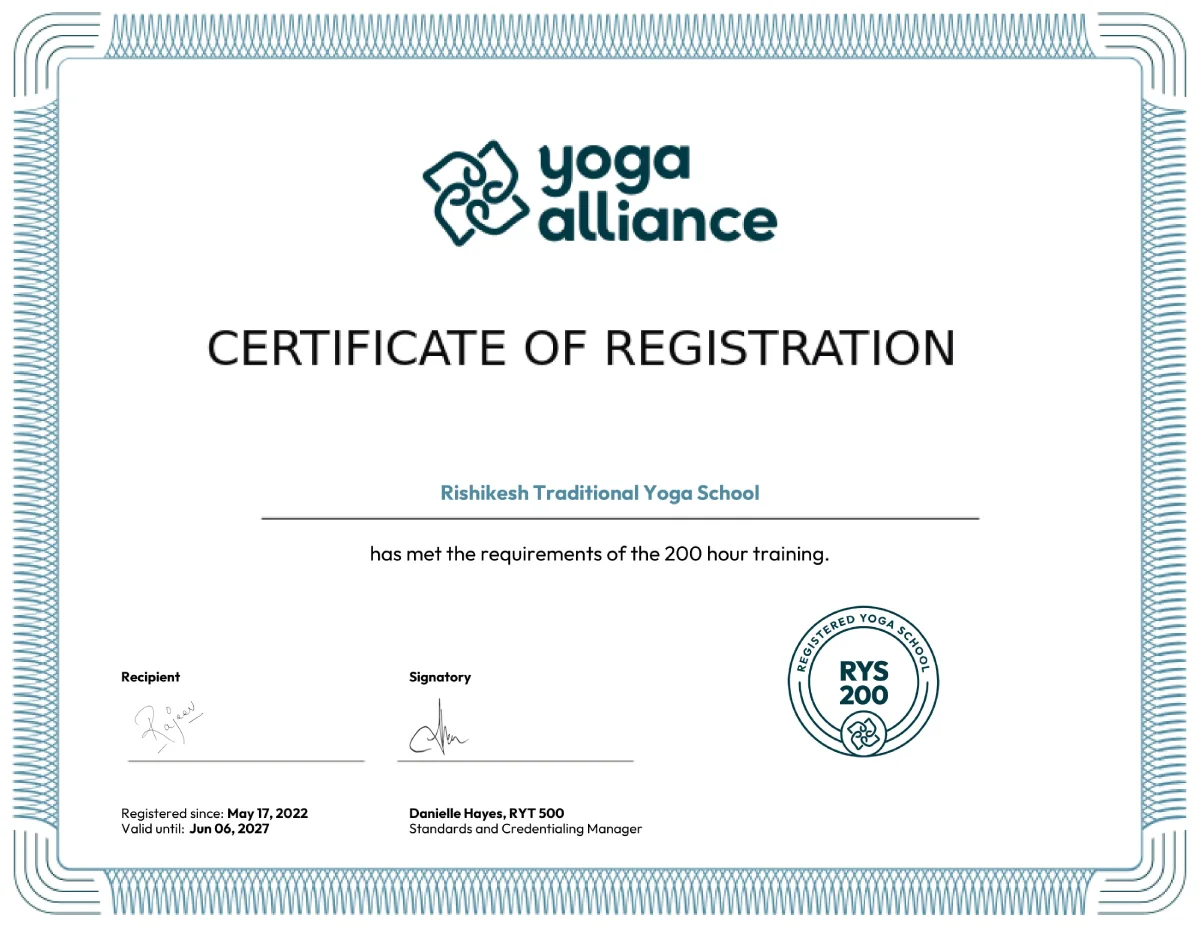
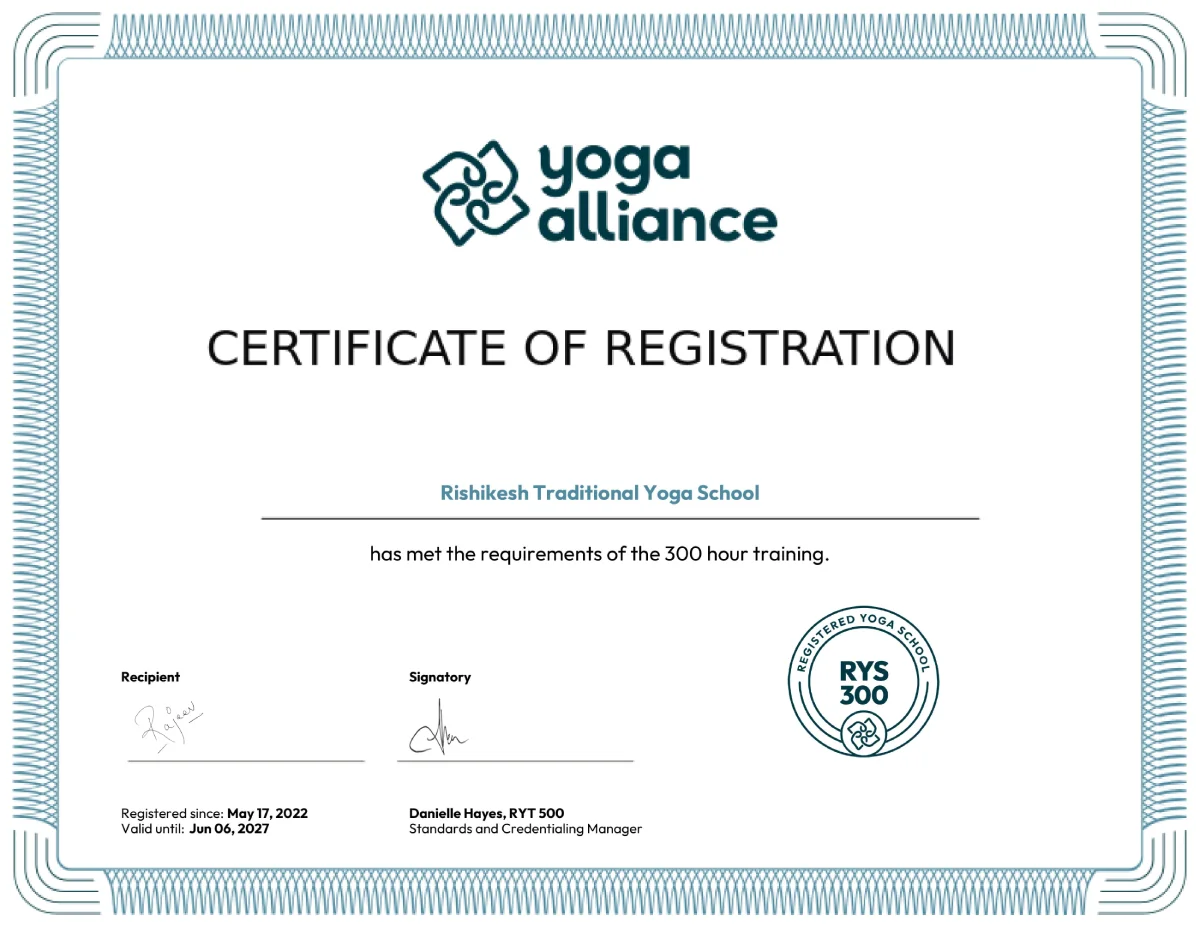
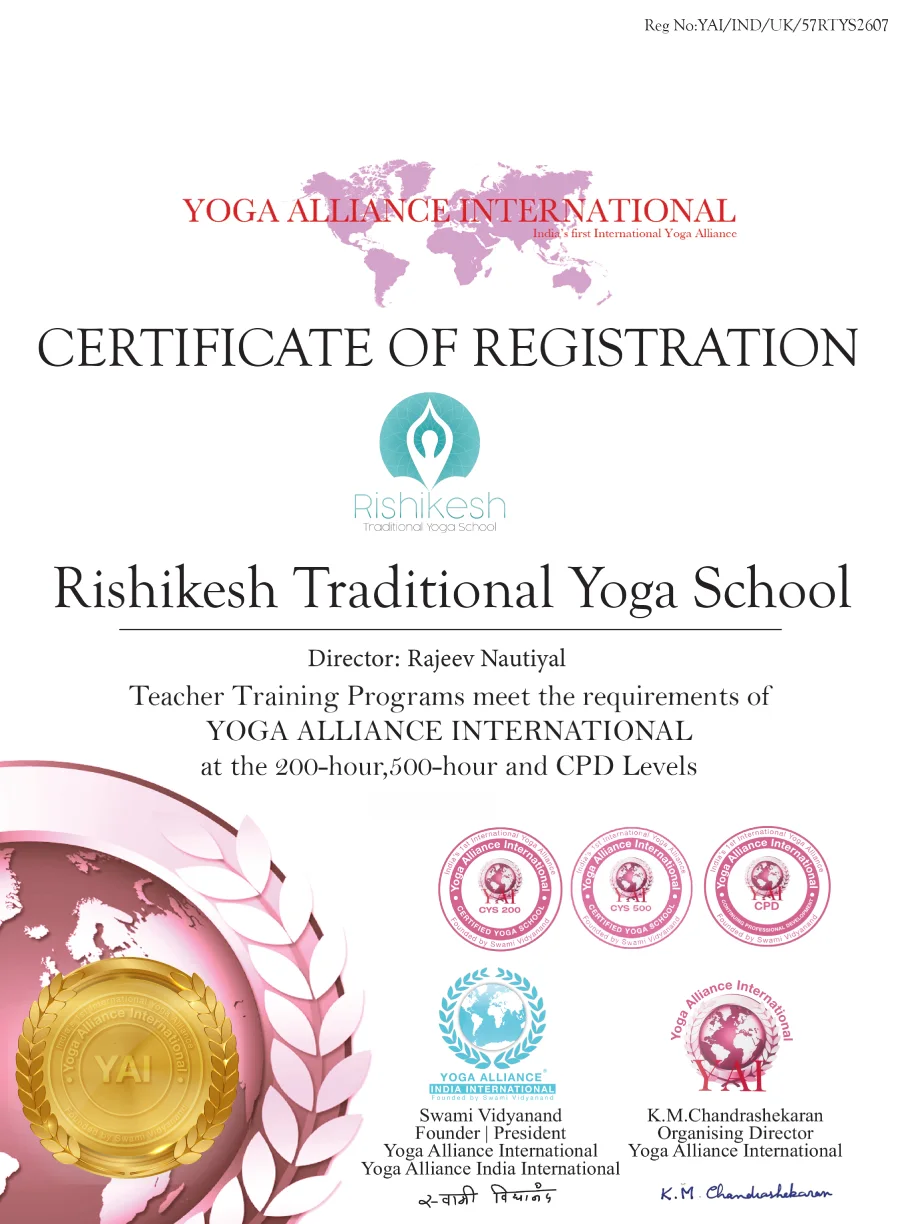
Our school is registered with Yoga Alliance.
Thank you for choosing us as the best yoga teacher training school in Rishikesh

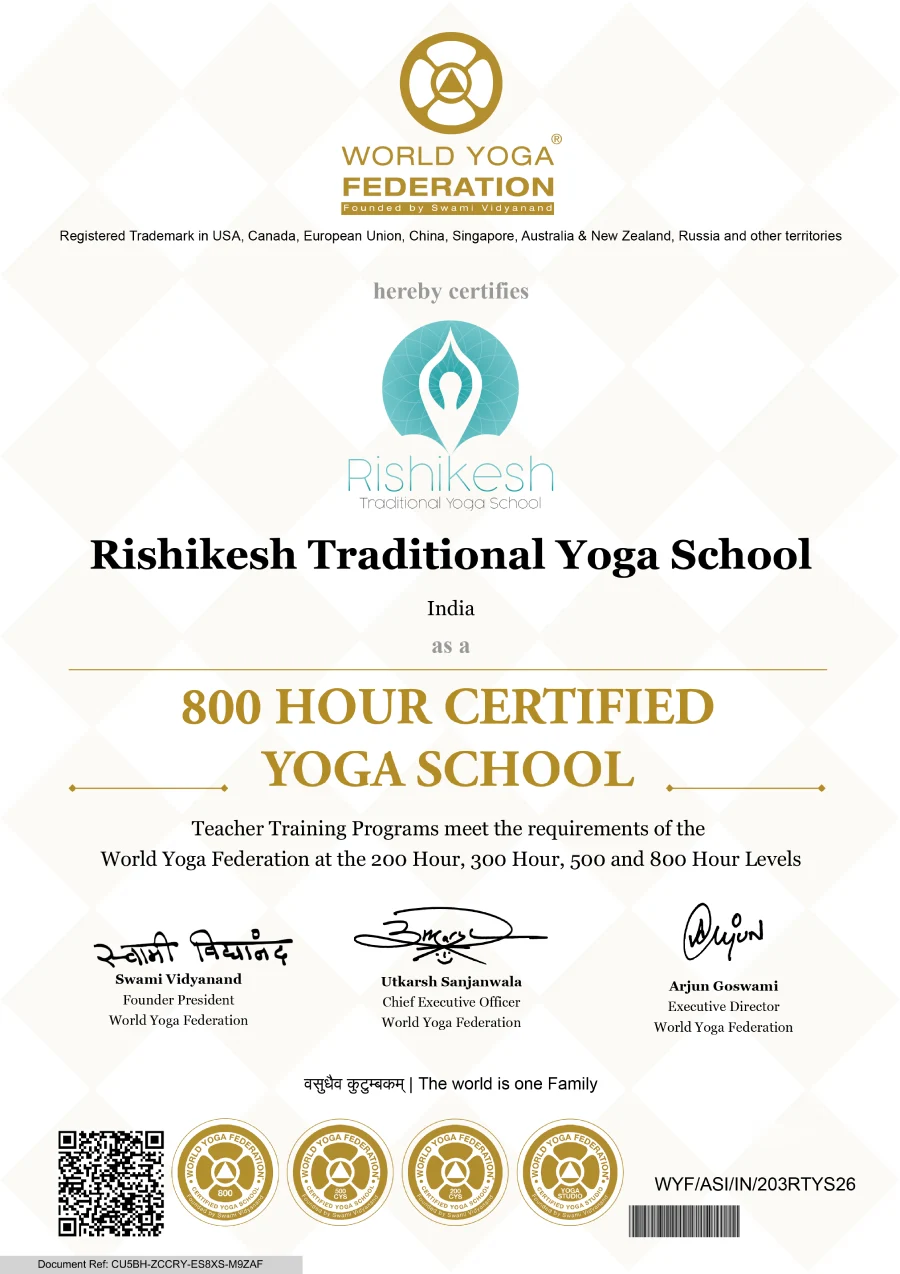
We are a Yoga Alliance-certified school. We follow globally recognised standards with a structured curriculum and learning. With us, you become eligible to teach yoga internationally from one of the best yoga schools in Rishikesh.
Rooms & Food
Accommodation & Food for This Course
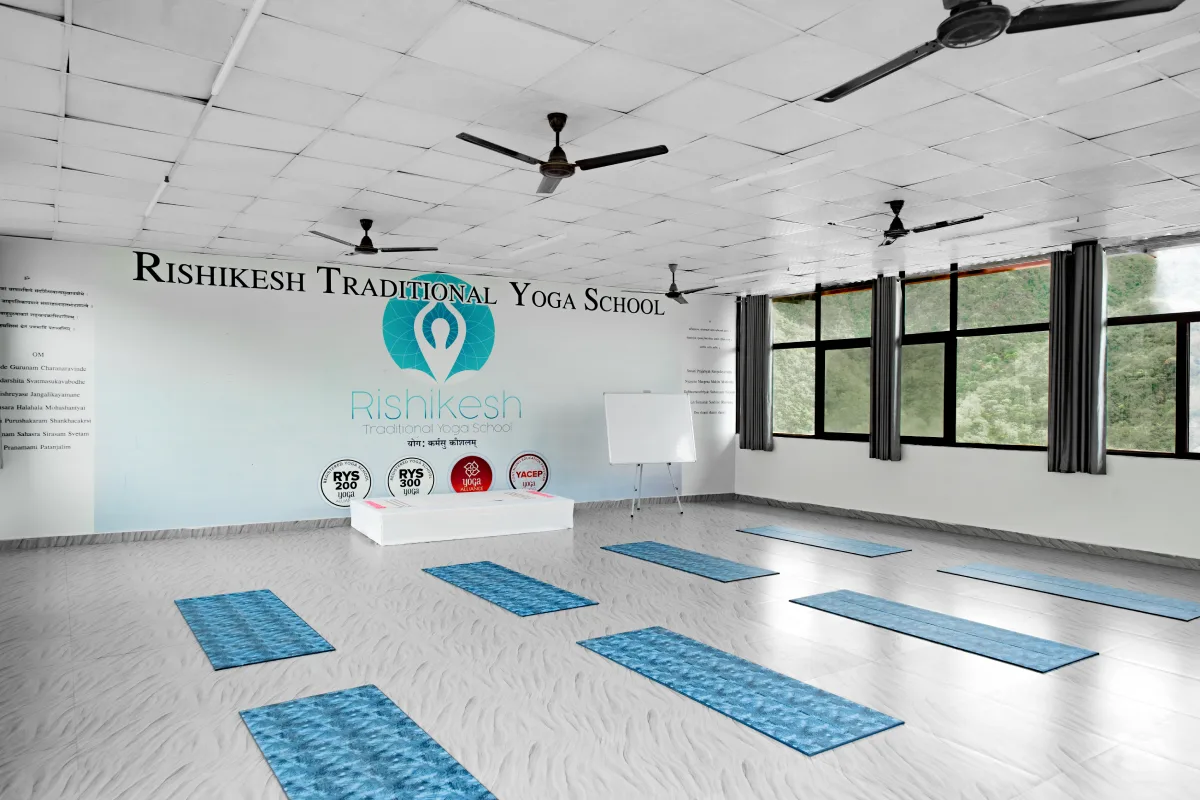
Comfortable stay and nourishing meals play an important role in creating a positive learning experience. At Rishikesh Traditional Yoga School, we provide clean accommodation and freshly prepared meals to support students throughout their training. Our peaceful environment allows students to focus on their practice, studies and personal growth without distractions. Rooms are designed to offer comfort and relaxation after a full day of classes, while our freshly prepared meals help maintain energy and well-being. Together, our accommodation and food services create a supportive atmosphere where students can fully immerse themselves in the yogic lifestyle and training experience.
Accommodation For This Course
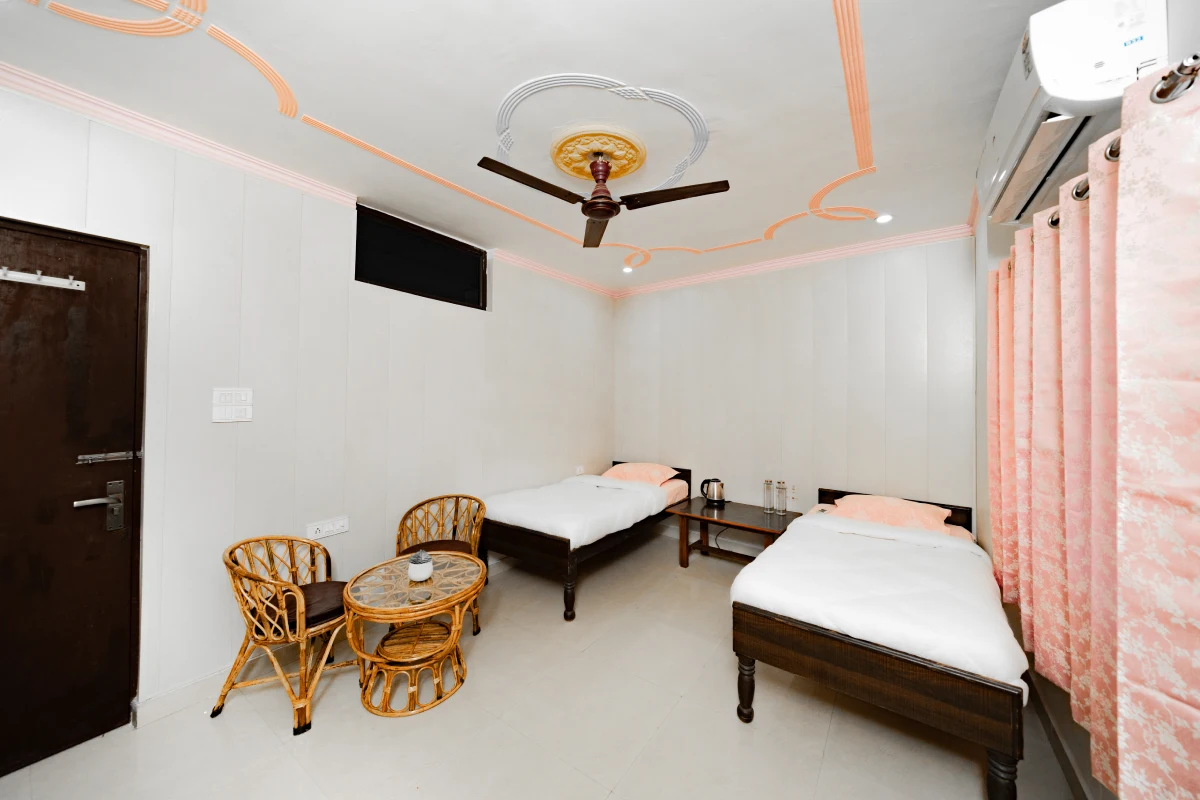
Our accommodation offers clean, comfortable and peaceful rooms within the school campus, providing students with a relaxing environment for rest, study and personal reflection.




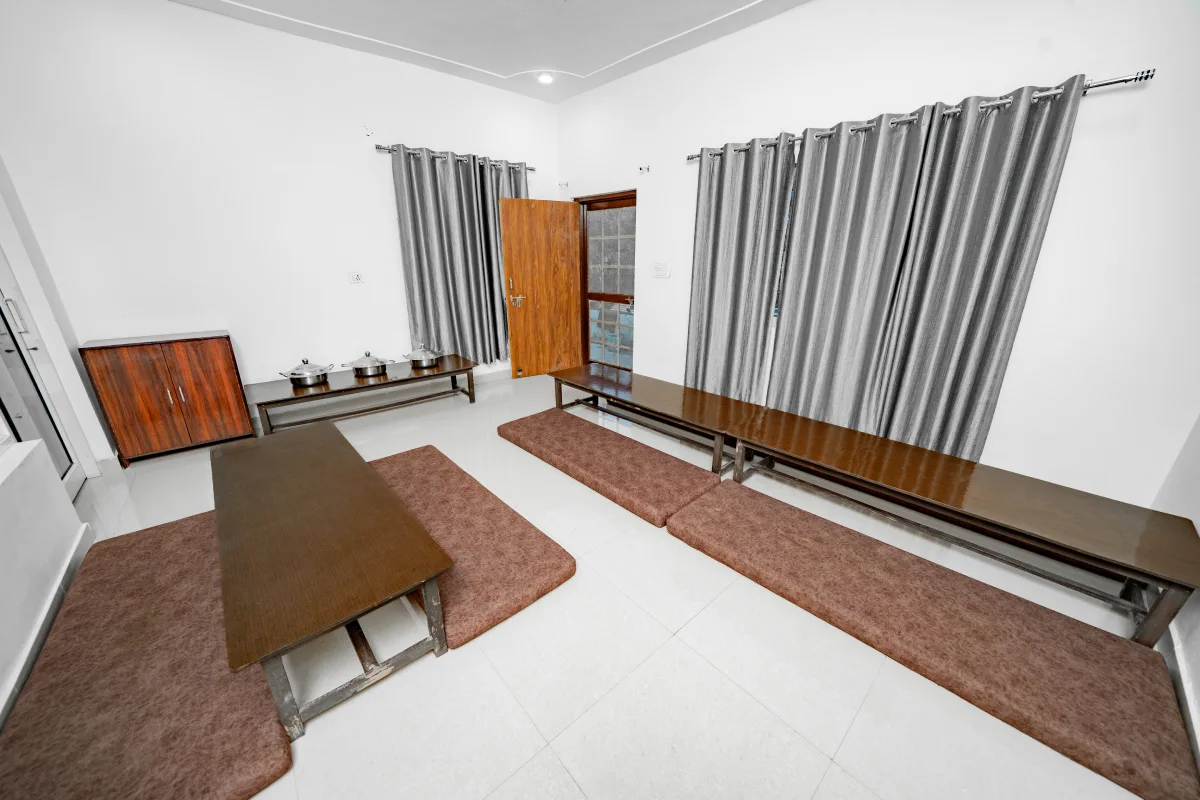

Food For This Course
Fresh vegetarian meals are prepared daily using freshly sourced ingredients to support your yoga practice, maintain energy levels and promote overall health and well-being.









Book a FREE Course Consultation Call with our Program Coordinator
Yoga TTC in Rishikesh | Traditional Yoga | Yoga Academy
Excursion Programs with Our Yoga Teacher Training Course
A little break from yoga and meditation is also what students look forward to in the course. We take these breaks seriously because this is the time students get a chance to interact, enjoy, and have fun. We offer various excursion programs exploring Rishikesh’s mysterious streets, beautiful artwork, sunrise (which you should never miss), ancient caves and temples that hold great history, a thrilling river rafting experience— a community sport—and story circles by the beach.
All of these make your Sundays even better, and if you have come to Rishikesh, let us take you around and help you get familiar with the city. When you come to Rishikesh, exploring it in depth is a must!
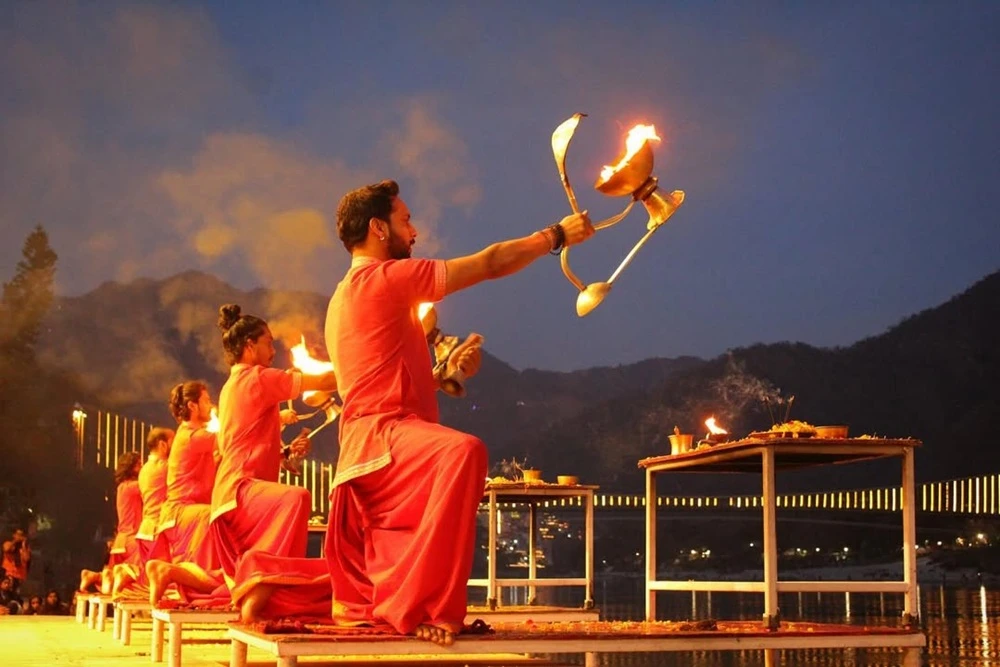
Ganga Aarti
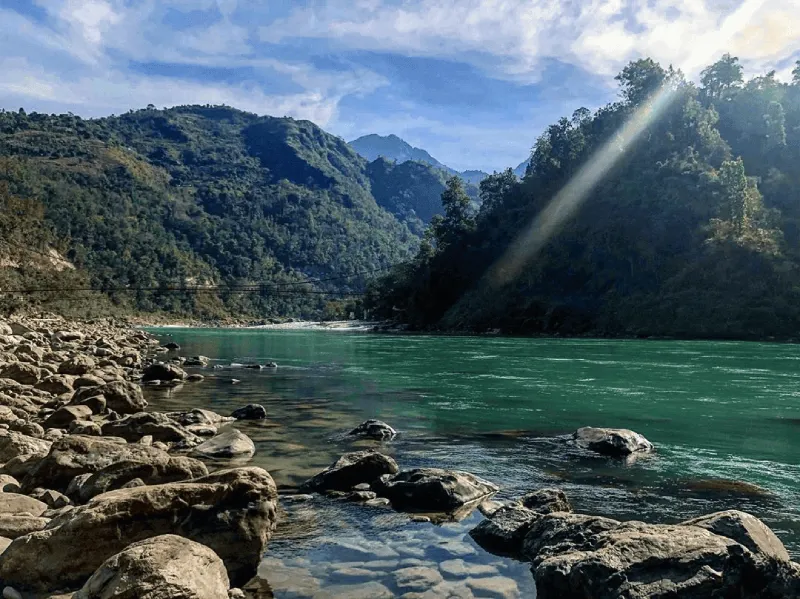
Vashishtha Cave

River Rafting
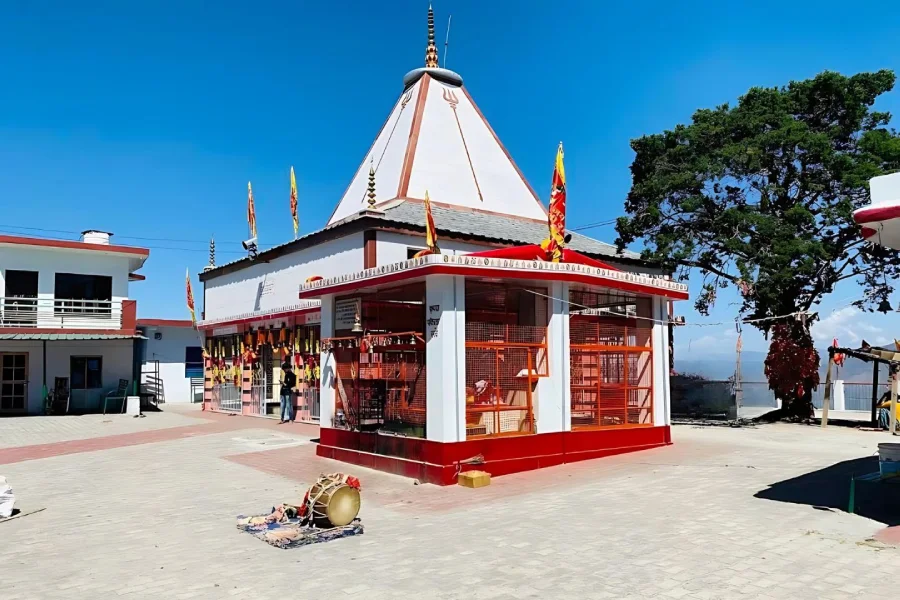
Sunrise Trek
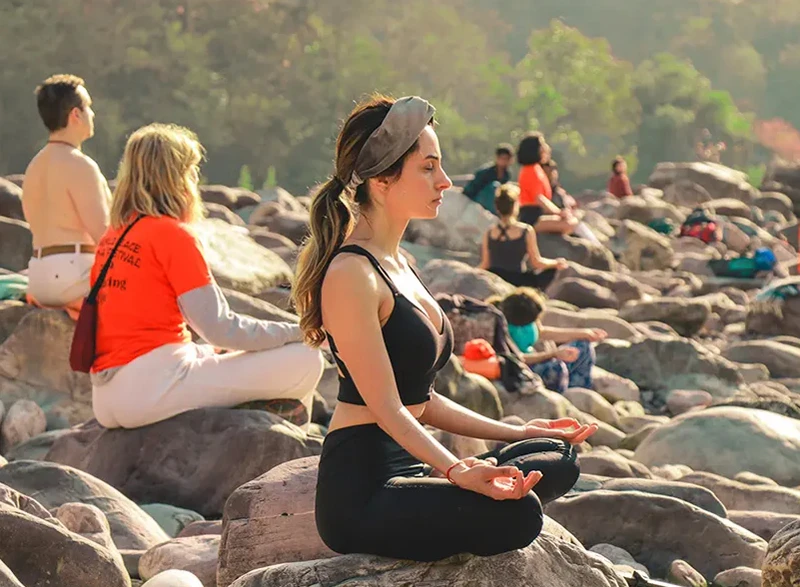
Beach Yoga
How to Reach here?

By Air
Jolly Grant Airport in Dehradun is the nearest airport, located about 25 km from our school. Complimentary airport pickup service is available one day before the course begins.

By Train
Yog Nagari Rishikesh Railway Station is the nearest railway station. From there, students can easily reach our school by taxi or local transport.

By Taxi
Students can book a direct taxi from Delhi, Dehradun or Haridwar for a comfortable and convenient journey to our school.

By Bus
Regular buses connect Delhi and nearby cities to Rishikesh. From the bus station, a short taxi ride will bring you to our school.
Visa Information: International students are advised to apply for an e-Tourist Visa before travelling to India. Please check the latest visa requirements before your journey - www.indianvisaonline.gov.in/visa/tvoa.html
A worldwide circle of students
Practitioners from every continent come to Rishikesh to learn with us.
Holistic Yoga Teacher Training in Rishikesh
Join The Yoga Community Of Rishikesh, India
It’s been more than 16 years now, and the amount of love, respect, and learning shared in this community is beyond feeling grateful. The purpose of starting this school was also to build a community where we can interact with like-minded people and understand the relevance of yoga together.
This community circle includes students from 80+ countries with diverse experiences, but one goal: to support each other & help with intent. Experts, beginners, great teachers, and yoga masters are also a part of this community.
When you join a course at the school, you also sign up for community-based learning. We believe that yoga and spirituality deepen when knowledge is shared. It also amplifies the feeling of being stronger together.


 @vika.zverko




















































Honest Reviews of Our Yoga Retreats
TripAdvisor - What Students Are Sharing About Our Yoga TTC In Rishikesh
Every student comes with a different goal in mind, and our duty is to understand it. For some, it is about learning and experiencing yoga, while for others, it is about gaining certification and becoming a teacher.
These reviews are also a motivation to us. We are extremely grateful for such warm and kind words and wish that this journey continues to guide us. Yoga is a gift to all of us; we must treasure it forever. And there is no place better than Rishikesh in India where you can experience the true essence of yoga.
Excellent

5.0 Based on 60 reviews


At Rishikesh Traditional Yoga School, I found my Indian home. Everyone in the place was willing to help and share the best teachings. The host, Paami Ji, the volunteers, the social media manager Rishen and the chef Dharmu Ji are really kind and always ready to assist in any situation. Truly excellent and humble teachers are waiting for you to share their best knowledge, teaching you traditional yoga. Thank you to all the teachers: Dipender Ji, Gaurav Ji, Swami Ji, Subhash Ji, and Rakhi Ji, and a special thanks to Rajeev Ji for making this journey possible. And thank you for letting us be closer to your culture. We still stay in touch after a few months, and this is definitely a valuable aspect. Thank you all and to all my mates!
200-hour yoga teacher training
Spain

Laura
Completed: November 2023
What an amazing experience this one. The teachers were fantastic, and the food was delicious. The school really put an effort into ensuring that we had a good time. The excursions that they planned were spectacular. I really felt like I was part of a family, and I wish the course hadn't ended so quickly. I would highly recommend Rishikesh Traditional Yoga School as a place to complete your YTT. You get so much more than just a certificate; you leave feeling part of a family and community.
200-hour yoga teacher training
South Africa
Mimi
Completed: November 2023
Had a great experience at Rishikesh Traditional Yoga School. I completed the 200 Hour Yoga Teacher Training and loved it so much that I stayed for the 50-hour Yin teacher training course. Would highly recommend both courses, the teaching was amazing, very informative and authentic. The teachers were passionate and very knowledgeable. I learnt a lot and had a great time with the other students. We had extra activities included with the course, which was awesome :) The staff were lovely and went above and beyond to make us all feel like we were at home. Food was healthy and delicious, it was a great experience, and I would come back for more!
200 Hour YTTC & 50-hour Yin YTTC
Australia
dphilips
Completed: November 2023
Highly recommend this school I did a 200-hour yoga teacher training and a Yin yoga course afterwards in November 2023. I can highly recommend this school. The best teachers, the best staff, the best chef and hence the great food. Rajiv, who is your first contact before arriving, couldn't be nicer. The whole set-up is great!! Book this school, and you're sure of having a great stay and great skills as a yoga teacher 🤩
200-hour yoga TTC and Yin Yoga TTC
Denmark

Lisa Hein Ruggaard
Completed: November 2023
I did my 100 Hour Yin Yoga TTC back in October. It was an amazing experience. First of all, everyone (management, teachers, staff) is so nice and helpful. The teachers are very knowledgeable and attentive. They are very good in their field. They make sure that you cover every subject. The school location is very good. The view is so nice and calming. Food is great. It was such a beautiful experience overall, and I'm glad I did it. Thank you so much, I'm so grateful.
85-hour Yin Yoga Teacher Training
Turkey

Sule Akagun
Completed: October 2023
A wonderful experience with some of the most amazing teachers I have ever met. Every single teacher was patient and had a lot of knowledge to share. They were all very encouraging, and the food was amazing!
200-hour yoga teacher training
South Africa
Atty
Completed: November 2023
I opted for Yoga TTC 200 hours at this school, and it was a great experience for me. The teachers are knowledgeable and well-trained. Stay, and the food is also good. And the owners of this school, Rajeev ji and Pummy bhaiya, are like family members. I would strongly recommend this school for learning.
200-hour yoga teacher training
India
Shivani
Completed: July 2024
Very good school with great teachers. Nice quiet location, and the rooms are nice. Great for 200hrs. Hatha, Ashtanga, and exposure to other yogasanas. Ashtanga was very nice for me
200-hour yoga teacher training
Spain
Shervin
Completed: April 2024
Exceeded all my expectations! The program is very complete, different classes covering all aspects of yoga, the staff are all very warm and kind, and all teachers are very skilled and full of knowledge. The energy among the group was incredible, and we made friends for life! My wife and I took the 200-hour TTC, and we are so pleased with the experience! For anyone in search of serious yoga training, I would not hesitate to recommend the Rishikesh Traditional Yoga School. Thank you guys, for putting us on track to a whole new way of life! Dhanyawadh
200-hour yoga teacher training
Brazil
Erick
Completed: December 2023
I had a really great time at the traditional yoga school in Rishikesh. After my first yoga teacher training, I wanted to delve deeper into yoga philosophy and booked a 100-hour holistic yoga course. My expectations were more than exceeded! All the teachers are incredibly competent, and you can feel that yoga really is a philosophy of life. The excursions (e.g. rafting) were also extremely well organised and strengthened the bond within the group. The rooms are clean and well-maintained, and the food is extremely delicious! I would book here again at any time. Thank you for this wonderful work!
100-hour Yoga Therapy & Yin Yoga Training
Germany
Jannie
Completed: December 2023
FAQs
Frequently Asked Questions – 500-Hour Yoga TTC, Rishikesh
500 Hour Yoga Teacher Training Course is an advanced-level yoga certification program that combines beginner, intermediate, and advanced yoga education. It provides in-depth training in yoga practice, philosophy, anatomy, meditation, pranayama, and teaching methodology to help you become a knowledgeable and confident yoga teacher.
Anyone with a sincere interest in learning yoga can join this course. It is suitable for aspiring yoga teachers, dedicated yoga practitioners, and students who want a complete yoga education.
No. Prior yoga experience is not mandatory. 500-hour yoga course starts with the fundamentals and gradually progresses to more advanced practices and teaching techniques.
Yes. Complete beginners can join the course. The training is structured to help you build a strong foundation before moving into advanced topics.
200 Hour Yoga Teacher Training focuses on the fundamentals of yoga and teaching. 300 Hour Yoga Teacher Training provides advanced education for certified teachers. 500 Hour Yoga Teacher Training combines both levels into one complete program, offering a deeper and more comprehensive understanding of yoga.
You will learn yoga postures, alignment and adjustments, pranayama, meditation, yoga philosophy, anatomy and physiology, teaching methodology, class sequencing, and practical teaching skills.
The course includes Hatha Yoga, Ashtanga Yoga, Vinyasa Yoga, Yin Yoga, Kundalini Yoga, Breathwork, Pranayama, Meditation, and other traditional yogic practices that help develop a well-rounded understanding of yoga.
Yes. 500-hour yoga training course includes advanced yoga postures, breathing techniques, and meditation practices that help deepen your personal practice and teaching abilities.
Yes. These subjects are an important part of the training. You will learn how the body functions during yoga practice, explore traditional yogic philosophy, and develop the skills needed to teach yoga effectively.
Yes. Our 500 Hour Yoga Teacher Training Course is registered with Yoga Alliance USA and follows international standards for yoga teacher training.
After successfully completing the training, you will receive a 500 Hour Yoga Teacher Training Certificate recognised by Yoga Alliance USA.
Yes. After completing the course and meeting Yoga Alliance requirements, you can apply to become an RYT 500 (Registered Yoga Teacher).
Yes. The certification is internationally recognised and can help you pursue yoga teaching opportunities in many countries around the world.
Becoming an RYT 500 demonstrates advanced training and commitment to yoga education. It can improve your teaching skills, increase professional credibility, and open up more career opportunities in the yoga industry.
The course is intensive and requires dedication, discipline, and regular participation. Students spend several hours each day studying, practising, and developing their teaching skills.
The daily schedule typically includes yoga practice, pranayama, meditation, anatomy, philosophy, teaching methodology, and practical teaching sessions. The schedule is designed to provide a complete and balanced learning experience.
Teaching practice is an important part of the course. Students regularly lead classes, practice teaching techniques, and receive guidance and feedback from experienced instructors.
No. Flexibility is not required to join the course. Regular practice during the training will naturally help improve your flexibility, strength, and overall fitness.
Yes, in many cases, you can still participate. Please inform us about any injury or medical condition before the course begins so we can provide appropriate guidance.
Yes. The course fee includes accommodation in comfortable private or shared rooms, depending on the package you choose.
We provide fresh vegetarian, vegan or gluten-free meals every day. The food is nutritious, healthy, and designed to support your yoga practice and overall well-being.
Most international students attend the course on a Tourist Visa. We recommend checking the latest visa requirements with the Indian Embassy or Consulate in your country before making travel arrangements.
Yes. 500-hour yoga course offers a complete yoga education, practical teaching experience, and internationally recognised certification. It is an excellent choice for those who want to deepen their knowledge of yoga and build a professional teaching career.
After completing the course, you can teach yoga classes, conduct workshops, offer private sessions, work at yoga studios and wellness centres, organise retreats, or start your own yoga business.
Our 500 Hour Yoga Teacher Training combines traditional yogic wisdom with practical teaching experience. Students learn from experienced teachers in a supportive environment while gaining the knowledge, confidence, and skills needed to become successful yoga teachers.
TrustPilot Reviews
Thank you for choosing us as the best yoga teacher training school in Rishikesh
Every review matters to us, and we take our students' feedback very seriously. We are extremely thankful to the students for their honest reviews, and we promise to deliver our best time and again. Thank you for trusting us as your yoga school; we are always happy to have you with us.
Excellent

5 Based on 35+ reviews


I completed my 200-hour Yoga Teacher Training in November 2023, and the entire experience exceeded my expectations. The teachers were highly knowledgeable and supportive, the accommodation was comfortable, and the food was excellent. The management went above and beyond by organizing excursions and celebrating birthdays and Diwali with us, making the experience feel like a family gathering. It was one of the best experiences of my life, and I have already decided to return with my daughter for a 50-hour Yin Yoga course.
200-Hour Yoga Teacher Training
United Kingdom
Stacey Smith
Course Joining Date:01 October 2023
I attended the 200-hour Yoga Teacher Training followed by a Yin Yoga course, and I can confidently recommend this school. The teachers were outstanding, the staff was incredibly welcoming, and the chef prepared delicious meals throughout my stay. From my first interaction with Rajiv until the end of the course, everything was professionally organized and thoughtfully managed. I left with valuable teaching skills and wonderful memories.
200-Hour Yoga TTC & Yin Yoga Course
Denmark
Lisa Hein Ruggaard
Course Joining Date:01 November 2023
My 200-hour Yoga Teacher Training at this school was a truly life-changing experience. The teachers were kind, disciplined, and deeply knowledgeable, offering lessons in yoga philosophy, asanas, meditation, pranayama, and more. The accommodation was comfortable, the staff was always supportive, and the healthy food was exceptional. Exploring Rishikesh, the Ganga River, waterfalls, and local temples added to an unforgettable journey, and I would happily return again.
200-Hour Yoga Teacher Training
United Kingdom
Mantana
Course Joining Date:07 March 2023
Choosing this yoga school for my teacher training turned out to be one of the best decisions I have made. I had heard wonderful things about the teaching style and food before arriving, but the experience gave me a completely new perspective on life. Rajeev Sir shared inspiring personal experiences, and Sudeep Sir remained supportive and motivating throughout the course. I am grateful for the knowledge, encouragement, and memorable experience I received here.
200-Hour Yoga Teacher Training
United States
Ashi Bahuguna
Course Joining Date:15 March 2023
From the moment I arrived, I was treated like a member of the family. Every subject was taught with care and depth by experienced and knowledgeable teachers who ensured that each student understood the concepts well. The welcoming atmosphere, supportive environment, and quality of instruction made my learning journey enjoyable and meaningful. I would highly recommend this school to anyone beginning their yoga journey.
200-Hour Yoga Teacher Training
Canada
Pawandeep Kaur
Course Joining Date:01 October 2022
I traveled to Rishikesh to learn from experienced yoga teachers, and this school fulfilled all my expectations. Rajeev is exceptionally knowledgeable and has an excellent teaching style, especially for Ashtanga and Vinyasa Flow classes. His clear guidance, effective class management, and attention to detail made every session enjoyable and inspiring. I left with improved skills, greater confidence, and a deeper appreciation for yoga.
Ashtanga & Vinyasa Flow Yoga Course
Costa Rica
Evelyn Vargas Araya
Course Joining Date:01 October 2022
Yoga Practice | Self-discovery | Rituals
How Does A Typical Day At School Look In The Heart Of Rishikesh?
You experience an Aashram life here in the city of Rishikesh. Nothing fancy, but everything genuine and rooted in culture. You dive deeper into yoga philosophy and learn from the best teachers in Rishikesh. This ecosystem prepares you for better mind-body functioning and rewards you with discipline.
Honestly, we all enjoy ourselves a lot during the sessions. An Aashram life is not typically strict or boring. It adjusts your timetable and schedule to understand the essence of yogic life. There are deeper conversations, happy hearts, and peace around the table.
युक्ताहारविहारस्य युक्तचेष्टस्य कर्मसु । युक्तस्वप्नावबोधस्य योगो भवति दुःखहा ॥
He who is temperate in his habits of eating, sleeping, working, and recreation can mitigate all material pains by practicing the Yoga system.
You can ask anything, share your perspective, and question the universe at any time. We are traditional but not primitive. We welcome you with utmost gratitude.
- So, what else can you expect here?
- Comprehensive learning with a well-structured YTTC curriculum
- A sacred learning environment with comfortable & hygienic living
- Complete community support & staff assistance
- Meaningful conversations and shared experiences
- 24/7 network & support
- Best facility care with organic food & a journey towards healing
Rishikesh, India's Best Yoga Classes
Reviewed As One Of The Best Yoga Schools In Rishikesh
We are committed to making this institution a safe and trusted place for everyone. Where every person feels empowered through learning. Students' reviews are both motivation and encouragement for us, our teachers, and staff. Thankful to them for taking the time to share their experiences.
Your reviews continue to inspire future students to choose their journey with confidence.
Excellent

5.0 Based on 335+ reviews


I am incredibly grateful to this school. Truly, deeply grateful for the atmosphere they created. It felt so warm, so human, so supportive - like a family. They were always ready to help with everything, and it meant a lot to me. These days were absolutely amazing. All the teachers were wonderful, and I fell in love with every single class. I also experienced a personal transformation during this time. I met many beautiful and close people. I feel changes in my body - my flexibility improved, many things shifted, and I learned so much. It feels like a powerful and beautiful beginning. I also want to say that the food was absolutely delicious. The accommodation was good & clean, and the excursions were wonderful. There is also a beautiful garden, and honestly, everything was just perfect. I am very, very thankful to you for this. It was so comfortable and so good to be there. Thank you so much for creating such a wonderful school.
200-hour yoga teacher training
Russia
Viktoria
Completed: February 2026
Namaste! Very grateful to Rishikesh Traditional Yoga School for the beautiful time that I spent there!!! I decided to study YIN Yoga exactly in this school because I’ve heard that it’s one of the best places to learn and experience Yin Yoga Teacher Training in Rishikesh! Well, I can say and highly recommend Rishikesh Traditional Yoga School for people who are searching for the Yin style of yoga! Very beautiful and calm place in Upper Tapovan! Rooms with a beautiful view of the Himalayas in a very green zone! Food was very, very tasty and varied! About teachers - all of my teachers on that course are absolutely professional… very happy and grateful for the knowledge that they shared with us! The owner of the school, Rajeev ji, solved all the problems in the blink of an eye! Big, big thanks for everything! Forever in my heart 🙏🏻❤️🥰🕉️
100 Hour Yin Yoga Teacher Training
Russia

Maria
Completed: March 2025
I had a great experience learning the 200 Hour Multi-Style & Yin Yoga Training in Rishikesh Traditional Yoga School. They were really helpful and friendly from the second I got there, and the teaching was incredible from authentic and knowledgeable yoga teachers connected to the lineage. Would recommend to anyone looking for a 200 Hour Yoga Teacher Training and a short course in Yin Yoga.
200 Hour & Yin Yoga TTC
United Kingdom

Josh Tingley
Completed: February 2026
Yin Yoga Teaching Training was simply amazing! It certainly exceeded my expectations! I learned so much in such a short period of time. The content and structure were very comprehensive and gave me confidence to teach what I learned. The teachers are so knowledgeable, authentic, generous and genuinely care about us! All staff are so friendly, and the energy of the school is great! Even the meals were delicious as they were prepared with so much love. Thanks a million!
yin yoga teacher training
Australia

Patricia de Almeida
Completed: November 2023
My experience at Rishikesh Traditional Yoga School is hard to put into words. It’s an experience I’ll never forget, and I’m so glad I chose this school for my 200 Hour Yoga TTC. The teachers and staff are friendly and welcoming. The teachers have amazing knowledge, and all classes are engaging and enjoyable. The physical yoga classes pushed me to grow physically, improving my strength and flexibility. Philosophy and meditation helped me to look within myself and strengthen my mind. I really felt my time at the school was a transformative experience and has helped me to look at life in a new way. The school itself is in a perfect location - close to shops and wonderful cafes. It’s peaceful compared to other schools as it’s surrounded by green gardens, which is rare for a school in Rishikesh. The rooms were comfortable and clean, and the food was so delicious and varied. The vibe is family-oriented and friendly, and I always felt comfortable and at home. If ever I had any trouble, I was always looked after. Thank you so much, Rishikesh Traditional Yoga School, always in my heart! 🫶🏻🙏
200 Hour and Yin yoga teacher training
United Kingdom

Massie Furr
Completed: March 2026
My intuition and feeling about this place were completely right! So happy and satisfied with this experience, I’ve finished my 200 Hour Yoga TTC and am finishing my 50 H of Yin yoga, and honestly, I think I’m going for more lol. The school with the staff are the perfect place to have the experience of learning and enjoying your time. The teachers are committed, authentic and carry the knowledge of generations, which I truly appreciate a lot. Staying here gave me a feeling of home, and so grateful for it 🙏🏽 thank you all for everything, thank you 💙
200-hour and Yin yoga teacher training
Netherlands
Kathy Steti
Completed: February 2024
I did my 100 Hour Yin Yoga Course at the school, and I loved every moment of it. The school itself is situated in one of the nicest, most tranquil areas of Tapovan, and the food is delicious, made with love, quality produce and very healthy. The Yin course for me was one of the most enjoyable courses I have done. I loved the teachers and their unique teaching methodology. It was 100% Yin-focused, covering philosophy, meridians, sequencing, and 2 very complete Yin classes every day. 100% recommend
Yin Yoga Teacher Training
Spain
Karla
Completed: March 2024
Namaste, It’s Nguyen Huyen, and I have just finished my 200-hour yoga teacher training course in Rishikesh Traditional Yoga School. It has been an unexpected experience, much better than I wished. All the teachers are highly experienced and very cooperative. Even after the classes, they are open to help you if you have any doubts. A big thanks to my Guruji, Rajiv sir. It takes patience, endurance and talent to be a teacher, but you make it look so easy day after day. I hope you know just how much we all appreciate you. I highly recommend everyone to join Rishikesh Traditional Yoga School if you want to find a very good school to start your yoga journey. And I am definitely coming back for my 300-hour yoga TTC with this school only. Many love and blessings.
200-hour yoga teacher training
Vietnam
Nguyen Huyen
Completed: June 2023
Rishikesh Traditional Yoga School is the best choice for anyone who wants to improve in Yoga (students or teachers). They offer everything you need from accommodation, great teachers, amazing food, awesome location( best coffee in town is right across the school), overall an amazing experience!
200-hour yoga teacher training
United States of America

Aida Felnecan
Year of Completion: February 2024
I just finished my 200 Hour TTC in Ashtanga and Hatha yoga at Rishikesh Traditional Yoga School. I loved it so much that I stayed longer and completed the Yin Yoga Training as well. My courses are finished, and I am still here!! It’s such a comfortable, homey feeling that is hard to leave. It was a tough decision to choose this school among hundreds of others, and I am so GLAD that I completed my training here and had the chance to meet these incredible people! Rajeev ji, the owner and head teacher, and Pami ji, the manager, are the kindest!! Both of them are very understanding, adjusting to any and all of our needs at all times. “No” is not an answer for them; they always find a solution and try their best to make us happy and satisfied. Quick response, always positive attitude. Arranging many activities off the training schedule, including us at their celebrations, throwing 2 birthday parties for the team!! They went above and beyond expectations. They really made it feel home here, inclusive and warm as a family. Many, many, many thanks!!! Our teachers are great! They are experienced, confident, and love to teach- this was the most important. You can really see the effort they put into their teachings and sharing their knowledge. They empathise in hard times - (the course can get intense sometimes!) - and are always there to support you. Practising in a small class was amazing- it created a family environment where we bonded instantly. Each of us received great attention from all the teachers throughout the course; all the teachers knew and remembered what was wrong with who, who liked what and not. Dharmu ji, the chef, is incredible!!! He really knows how to satisfy both our eyes and our mouths. He manages to make the sattvic healthy diet exciting! Love his breakfast specials and the curries. Thanks, chef! The school is located in Upper Tapovan, far from the hustle and bustle of the city, right by the forest with beautiful mountain views. Close to nature with a forest path right by and a waterfall, yet 3 minutes away from lovely cafes and hangout spots. You get to pick what you feel like anytime :) Overall, it was an amazing experience! Thank you very, very much to the management and all the staff members, from teachers to kitchen and cleaning. You too, Abishek!! ❤️ I will be back! See you soon :)
200-hour yoga TTC and Yin Yoga TTC
Israel
Jana
Completed: November 2023
Reviews & Reflection
Our School Is Yoga Alliance USA Certified
Our school is a registered yoga school. Here are honest reviews that our students have shared with us post their graduation from the school. These video testimonials offer real insights into their experiences, learning journey, and overall recommendations. We are grateful to our students for sharing their perspectives and being a part of our growing community.
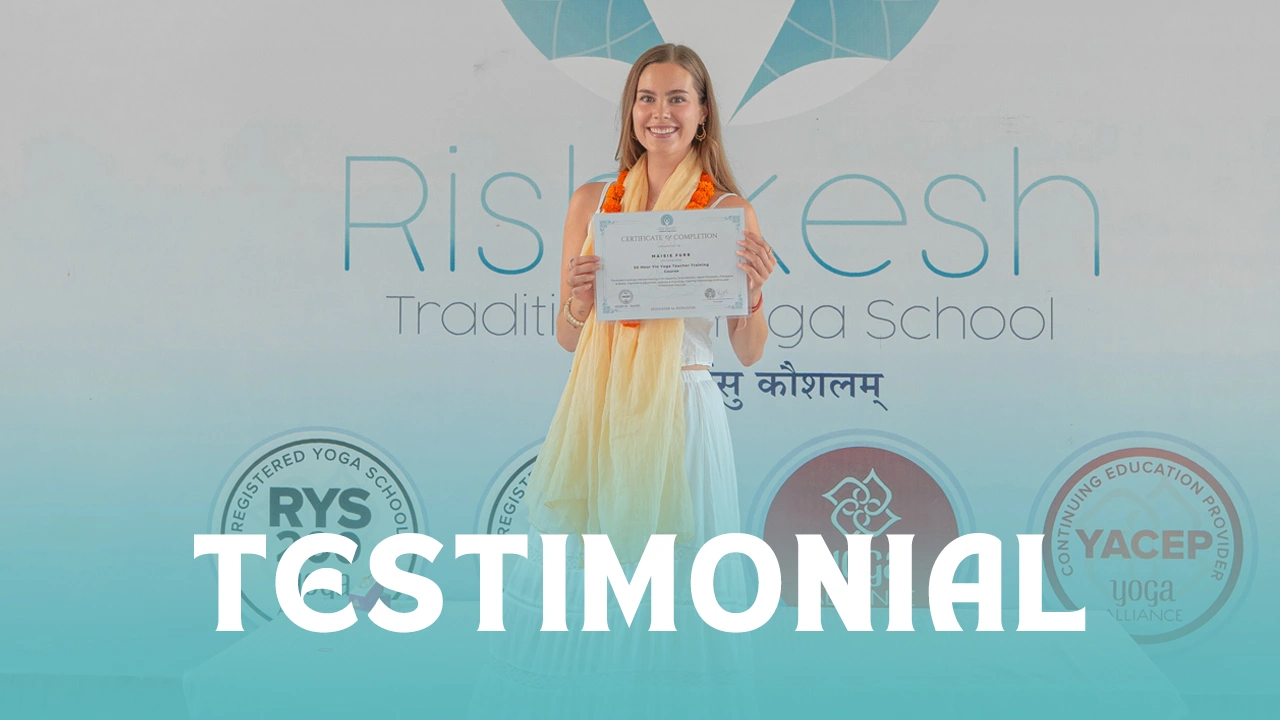

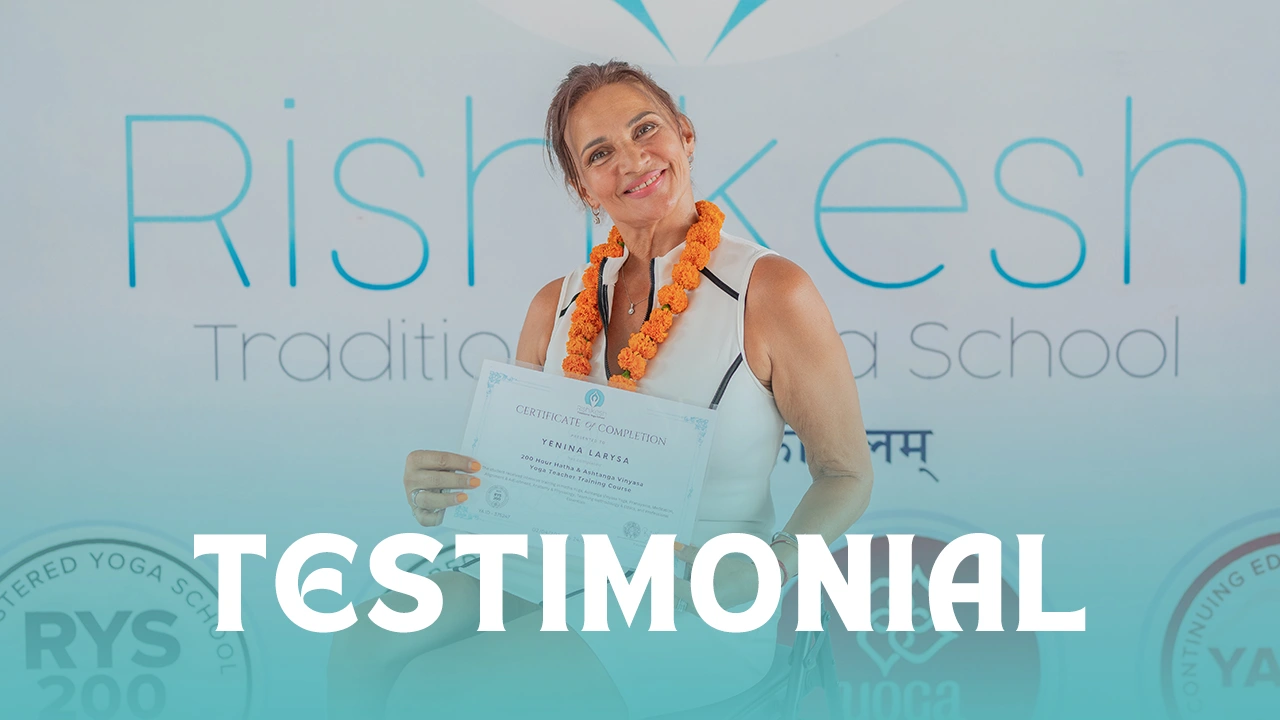
Guide | Teachers in Rishikesh
Meet Your Yoga Gurus Who Are The Major Rock Of Our School
A teacher's role in life is crucial for the practice of yoga, and their contribution to our journey is invaluable. We shall always remain indebted to them.
Following the path of Lord Krishna, our teachers put sincere efforts to guide students' path with clarity and wisdom. Their role goes beyond instruction; they support, observe, and help you understand your path.
Our teachers make sure that you experience the best yoga teacher training in India at our school.
Rajeev Nautiyal Ji
Hatha, Ashtanga, Vinyasa Yoga, Yin Yoga
Rajeev Nautiyal is an experienced yoga teacher with more than 25+ years of teaching experience. His journey in yoga has been s...
 25+ Years Of Experience In Yoga
Sakshi Ji
Anatomy, Ayurveda, Face Yoga & Therapeutic Yoga
Sakshi is a passionate yoga teacher with a unique academic background in science, law, yoga, and Ayurveda. With more than five...
6+ Year Of Experience In Yoga
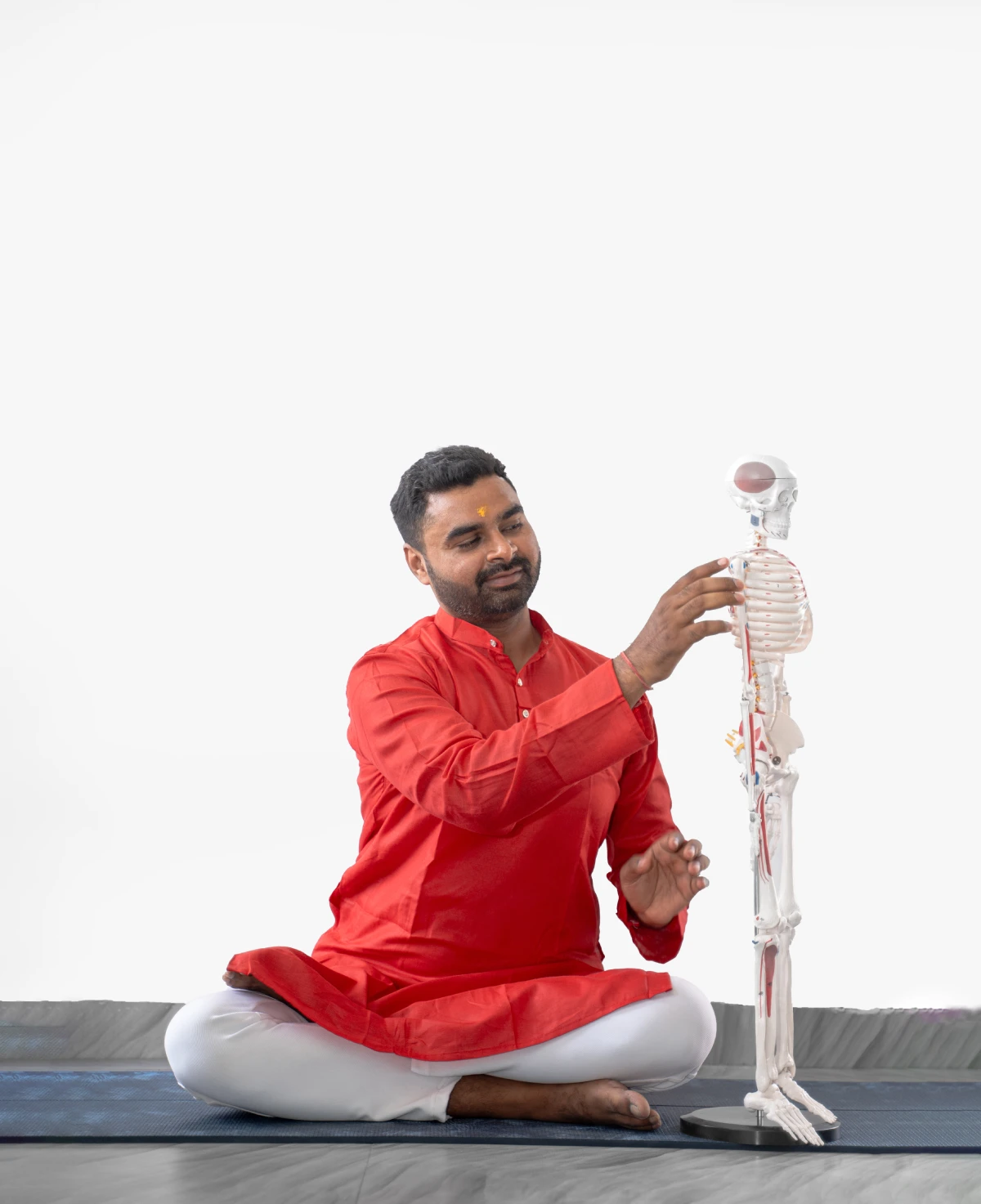
Dipendra Tripathi Ji
Yoga Therapy, Kundalini Yoga, Yoga Anatomy
Dipendra Tripathi is a dedicated yoga instructor and therapist with more than 15+ years of teaching experience. He has worked ...
15+ Year Of Experience In Yoga
Shubham Uniyal Ji
Traditional Hatha Yoga, Yogic Philosophy
Shubham Uniyal is a dedicated yoga teacher and practitioner with a strong foundation in traditional yogic teachings. His passi...
15+ Year Of Experience In Yoga
Subhash Ji
Ashtanga Vinyasa Flow, Pranayama
Subhash is an experienced yoga teacher with a strong background in traditional yoga education and teacher training. Having tau...
10+ Year Of Experience In Yoga
Gaurav Ji
Hatha Yoga, Yin Yoga & Pranayama
Gaurav is a dedicated yoga teacher with a strong foundation in traditional yoga and modern teaching practices. With years of e...
10+ Year Of Experience In Yoga
Praveen Kumar Ji
Kundalini, Yin Yoga, Teaching Methodology
Praveen Kumar is an experienced yoga instructor with more than 15+ Years of teaching experience. Throughout his journey, he ha...
20+ Year Of Experience In Yoga
Gaurav Kashyap Ji
Hatha Yoga, Vinyasa Flow & Sound Healing
Gaurav Kashyap is an experienced yoga teacher with over 8 years of teaching Hatha Yoga and Vinyasa Flow and 4 years of teaching Yin...
12+ Year Of Experience In Yoga
Student Experience
Student's Yoga Experience With Us
Every student arrives with a unique story, a different goal and a desire to grow through yoga. These real experiences shared by our students offer a glimpse into life at our school, the friendships they build and the transformation they experience during their journey. Watch their stories and discover how traditional yoga in Rishikesh has inspired students from around the world.