How to Become a Certified Yoga Instructor: Understanding YTT Levels and Accreditation
Table of Contents
- 1. What Is Yoga Teacher Training (YTT)?
- 1.1. 1. 100-Hour YTT: A Short Introduction to Teaching
- 1.2. 2. 200-Hour YTT: Your First Step Into Teaching
- 2. Why Accreditation Matters in YTT
- 2.1. What Is Yoga Alliance Accreditation?
- 3. How to Choose the Right YTT Program
- 4. Yoga Teacher Training in India
- 5. Why Students Prefer Rishikesh Traditional Yoga School for YTT
- 5.1. Career Opportunities with Yoga Instructor Certification
- 5.2. Tips for New Yoga Instructors
Are you ready to turn your passion for yoga into a professional career? Becoming a certified yoga instructor allows you to teach, guide, and inspire others on their yoga journey. With multiple training options and certification levels available, it can be overwhelming to know where to start.
Yoga Teacher Training (YTT) programs vary in duration, depth, and accreditation. Choosing the right level and accredited program ensures that your certification is recognised globally and equips you with practical skills to teach safely and confidently.
This guide breaks down the YTT levels and accreditation process so you can make an informed choice.
What Is Yoga Teacher Training (YTT)?
Yoga Teacher Training is a structured program designed to help students learn the principles of yoga more deeply. These programs cover:
- Foundational postures
- Anatomy and alignment
- Breathing practices
- Meditation techniques
- Yoga philosophy
- Teaching skills
- Class sequencing
- Ethics and lifestyle
- Practical teaching experience
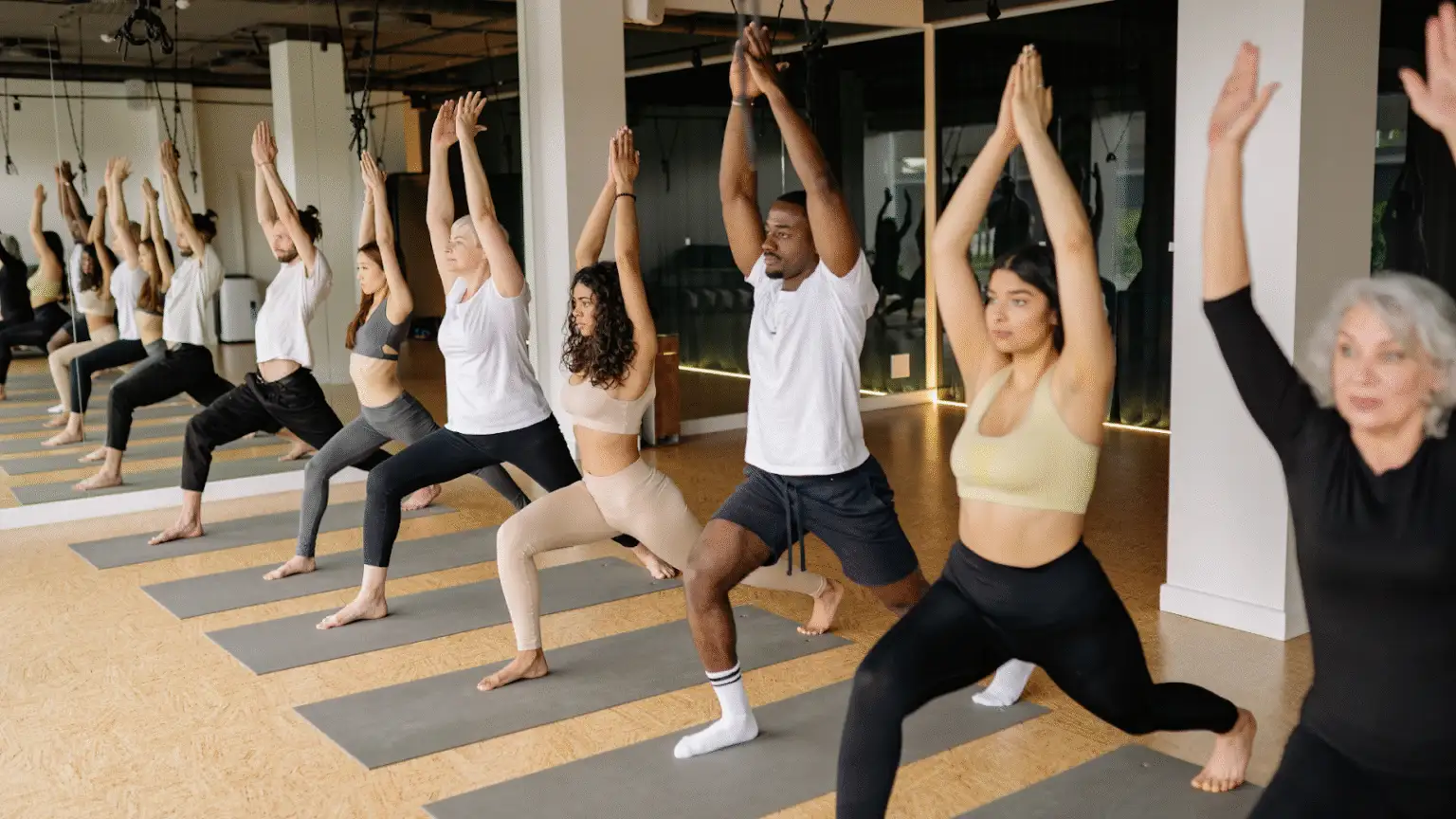
A complete training prepares you not only to lead classes safely but also to guide students with confidence. Training levels are usually divided into 200-hour, 300-hour, and 500-hour programs, along with specialised modules such as prenatal, yin, ashtanga, and more. Every level has its purpose, and choosing the right one depends on your goals.
YTT Levels Explained
1. 100-Hour YTT: A Short Introduction to Teaching
The 100-hour Yoga Teacher Training is a short, foundational course that helps students:
- Learn basic postures and breathing techniques
- Gain confidence with simple teaching exercises
- Get introduced to core yoga philosophy
Note: Yoga Alliance does not universally recognise a 100-hour program. It serves as an introductory experience, ideal for beginners who want a structured start before committing to a full 200-hour program. While it offers valuable insight and foundational skills, internationally recognised certification begins at the 200-hour level.
This course is perfect for:
- Beginners curious about teaching
- Practitioners seeking a short, structured program
- Those interested in a specific style, like Yin yoga or Hatha yoga
Wondering if 100 hours is enough? Learn what beginners gain from a 100-Hour YTT.
2. 200-Hour YTT: Your First Step Into Teaching
The 200-hour Yoga Teacher Training is the basic level required to start teaching. It is perfect for:
- Beginners who want formal training
- Students who want to deepen their practice
- Those who dream of a teaching career
What you learn in a 200-hour YTT:
- Key yoga postures and their safe alignment
- Basic anatomy
- Teaching methodology
- Sequencing simple classes
- Breathing and mindfulness practices
- Introduction to yoga history and philosophy
- Practical teaching with fellow students
After completing this program, you can start leading beginner to intermediate classes. Many teachers build strong foundations during this phase, which later support advanced learning.
3. 300-Hour YTT: Deepening Knowledge and Skill
Once you complete 200 hours, the next step is the advanced 300-hour training. This level is important for teachers who want to refine their craft, improve precision, and gain a deeper understanding of yoga.
In a 300-hour YTT, you study:
- Advanced postures with detailed alignment
- Teaching larger groups
- Injury prevention and modifications
- Anatomy for advanced movements
- Adjustments and assists
- Philosophy in more detail
- Structuring long-term courses or workshops
- Building confidence as a long-term practitioner
A 300-hour training adds another layer of skill that helps you stand out professionally.
Planning to advance your yoga career? See what a 300-Hour YTT costs and what it includes!
4. 500-Hour YTT: The Complete Path
The 500-hour certification represents a high level of training and usually combines 200-hour and 300-hour programs, though some schools offer direct 500-hour courses.
This level prepares teachers to:
- Lead students of all levels
- Conduct workshops or retreats
- Teach specialised classes
- Apply for advanced teaching recognition
If you plan to pursue a 500-hour YTT, confirm whether the program requires prior completion of 200- and 300-hour courses or if it can be taken as a full 500-hour program. Direct 500-hour programs are less common but available at select schools.
Note: In addition to standard 200-hour and 300-hour programs, some schools offer short-term courses and workshops. These programs focus on specific styles such as Yin Yoga, Hatha Yoga, or yoga for stress relief. Specialty courses enhance teaching skills in particular areas but typically do not replace a foundational YTT certification.
Why Accreditation Matters in YTT
Accreditation ensures that your training is recognised across different countries and studios. It gives you credibility and assures students that you have completed a structured, trustworthy program.
What Is Yoga Alliance Accreditation?
Yoga Alliance is a respected international registry that sets standards for teacher training programs. When you complete a Yoga Alliance–approved course, you can register as:
- RYT 200 (Registered Yoga Teacher – 200 hours)
- RYT 500 (Registered Yoga Teacher – 500 hours)
- Or other recognised levels
This registration helps you:
- Apply for teaching jobs more easily
- Teach online or abroad
- Build student trust
- Access continuous education
Although Yoga Alliance is not the only accreditation body, it is the most widely recognised.
Take your yoga journey further – check out the Yoga Alliance 300-Hour YTT requirements.

How to Choose the Right YTT Program
Selecting the right yoga teacher training program requires careful consideration. Here are some factors to keep in mind:
- Certification Level: Make sure the program matches your career goals and prior experience.
- Accreditation: Check if the school is recognised by a reputable yoga organisation.
- Style of Yoga: Choose a style that resonates with your practice and teaching approach, such as Hatha, Vinyasa, Yin, or Ashtanga.
- Instructor Experience: Qualified and experienced trainers make a significant difference in learning outcomes.
- Curriculum: Ensure the program covers asanas, anatomy, philosophy, and teaching methodology comprehensively.
Practical Training: Programs that include teaching practice prepare you better for real-world classes.
Yoga Teacher Training in India
India is often considered the heart of yoga studies because it connects you with the roots of traditional practice. The environment, teachers, and cultural experience create an immersive learning atmosphere. Rishikesh, in particular, attracts students from across the globe for peaceful study and spiritual depth.
Related Articles:
Importance of Music and Gong Baths in Kundalini Practice
Does Yoga Help with Flexibility? Benefits and Beginner Tips
How does yoga detox your body?
Why Students Prefer Rishikesh Traditional Yoga School for YTT
If you plan to take your YTT in India, Rishikesh Traditional Yoga School offers well-structured and accredited programs.
What you can expect with us:
- Authentic teachings guided by experienced instructors
- Peaceful classrooms and accommodation in a calm setting
- A detailed syllabus covering posture training, philosophy, anatomy, and teaching skills
- Yoga Alliance accredited courses (200-hour, 300-hour, 500-hour, and specialty modules such as yin yoga)
- Practical teaching practice to help you gain confidence
- Supportive learning environment for beginners and advanced students
We focus on strength, alignment, breathwork, and mindful living, helping our students grow into skilled and confident teachers.
Enroll now and begin your journey to becoming a confident yoga instructor with our guidance.
Career Opportunities with Yoga Instructor Certification
Certified yoga instructors have a variety of career paths. Some teach at local studios or gyms, while others offer private sessions. Yoga instructors may also conduct workshops, retreats, or online classes. Advanced certifications open opportunities to specialise in therapeutic yoga, meditation instruction, or teacher training programs.
Many instructors choose to build their own yoga business or collaborate with wellness centres. The certification provides the credibility needed to grow a teaching practice professionally.
Tips for New Yoga Instructors
- Practice teaching as much as possible to gain confidence.
- Keep a personal practice to stay grounded in yoga principles.
- Network with other teachers to share knowledge and opportunities.
- Continue learning through workshops and advanced courses.
- Be patient and allow your teaching style to develop naturally.
Becoming a certified yoga instructor is not just about completing a course; it is a steady journey of practice, patience, and dedication. Once you understand the YTT levels and the role of accreditation, planning your path becomes simple and clear.
Start with your 200-hour training, grow through advanced levels, and keep learning at your own pace. With time and commitment, you can build a rewarding teaching career that supports others while deepening your own practice.