Common Misconceptions About Yin Yoga
Table of Contents
- 1. What Makes Yin Yoga Unique?
- 2. Misconceptions About Yin Yoga
- 2.1. 1. Yin Yoga Is Too Easy
- 2.2. 2. Yin Yoga Is Only for Flexible People
- 2.3. 3. Yin Yoga Is the Same as Restorative Yoga
- 2.4. 4. Yin Yoga Is Only for Relaxation
- 2.5. 5. Yin Yoga Does Not Build Strength
- 2.6. 6. Yin Yoga Is Only for Beginners or Older Adults
- 2.7. 7. Yin Yoga Is Not a “Real” Practice
- 2.8. 8. You Shouldn’t Practice Yin Yoga if You’re Pregnant
- 2.9. 9. Yin Yoga Doesn’t Help with Energy Flow
- 3. Benefits of Yin Yoga Beyond the Myths
- 4. Learning Yin Yoga with Guidance and Support
Have you heard people say Yin Yoga is just about lying down, or that it’s too gentle to make any real difference? These thoughts are quite common, but they don’t show what Yin Yoga is really about. This practice may be slow, but it goes deep, working on the joints, tissues, and even calming the busy mind.
Because it looks quiet from the outside, many myths have grown around it. Let’s clear them up and see what Yin Yoga actually offers.
What Makes Yin Yoga Unique?
Before looking at the misconceptions, it helps to know what sets Yin Yoga apart.
- Longer Holds: Postures are held for 3–5 minutes or sometimes longer.
- Targeting Connective Tissues: Focus is on fascia, ligaments, and joints rather than just muscles.
- Stillness of Mind: The practice encourages slowing down and observing inner sensations.
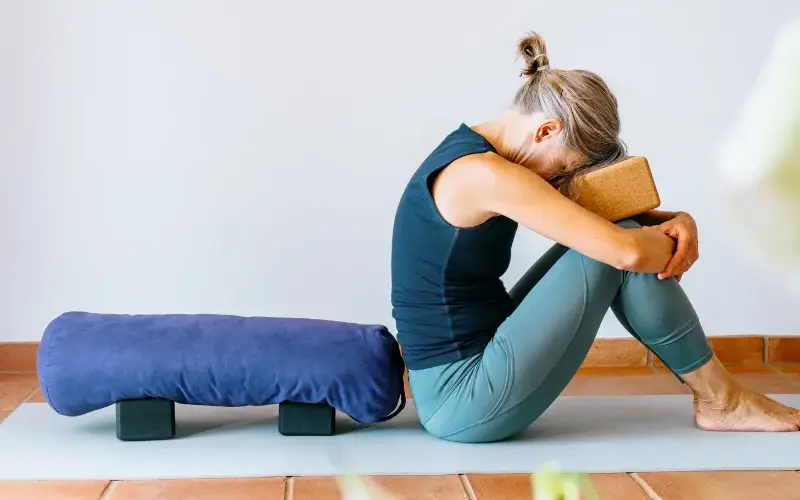
- Use of Props: Bolsters, blocks, and cushions may be used to support comfort and alignment.
These qualities make Yin Yoga a grounding and meditative practice. Still, several myths prevent many from giving it a fair chance.
Calm your mind and nurture emotional balance – learn how Yin Yoga gently supports mental and emotional well-being.
Misconceptions About Yin Yoga
1. Yin Yoga Is Too Easy
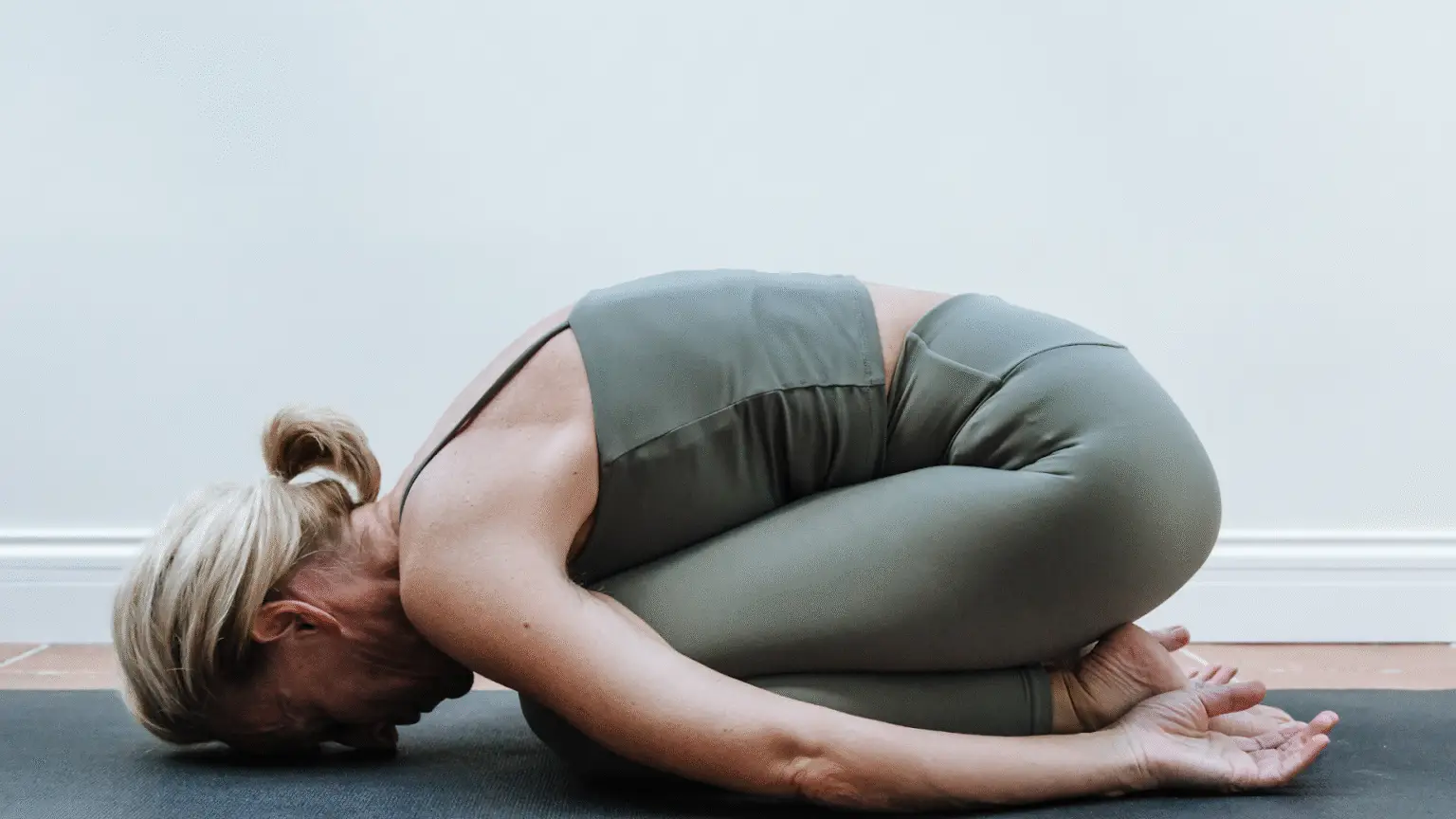
One of the biggest misunderstandings is that Yin Yoga doesn’t provide enough challenge. Since the practice looks calm from the outside, people assume it lacks intensity. In reality, holding poses for several minutes without relying on muscular strength requires patience and mental resilience.
The stretch felt in connective tissues can be intense, and staying still with that sensation often proves harder than flowing through fast movements.
2. Yin Yoga Is Only for Flexible People
Many hesitate to try Yin Yoga because they believe they are “not flexible enough.” The truth is, Yin Yoga is not about achieving perfect shapes. Props like bolsters, blocks, or blankets can be used to support the body.
Each pose can be adapted so that the focus is on sensation rather than appearance. Flexibility is not a requirement over time; regular yin yoga practice may gently improve mobility, but the deeper goal is presence and patience.
3. Yin Yoga Is the Same as Restorative Yoga
Another point of confusion is mixing Yin Yoga with Restorative Yoga. Both styles are slow and calming, but their intentions differ.
- Yin Yoga applies healthy stress to connective tissues to improve circulation and mobility.
- Restorative Yoga focuses on complete relaxation, often using props to eliminate effort and release tension.
While restorative poses feel like resting, Yin postures encourage a stretch that can feel challenging. Both are beneficial, but they are not the same.
4. Yin Yoga Is Only for Relaxation
Yin Yoga is indeed soothing, but it is not “just relaxation.” The practice engages both body and mind. Holding stillness while sensations intensify requires focus, patience, and acceptance.
Mentally, Yin can be as demanding as more vigorous styles, teaching practitioners to sit with discomfort and breathe through it. This mindful endurance can carry into daily life as well.
Step into stillness, deepen your practice, and nurture balance – join a 50-Hour Yin Yoga Teacher Training in Rishikesh.
5. Yin Yoga Does Not Build Strength
Strength is often associated with movement, lifting, or holding strong postures. Yin Yoga works differently. While it may not build muscular strength in the same way as Vinyasa or Ashtanga, it strengthens inner resilience, concentration, and the ability to stay steady under pressure.
Yin strengthens the mind and the connective tissues that support long-term joint health.
6. Yin Yoga Is Only for Beginners or Older Adults
Some believe Yin Yoga is only suited for beginners, seniors, or those recovering from injury. While it is accessible to these groups, it is equally valuable for advanced practitioners and athletes.
In fact, those who engage in intense physical training often find Yin helpful for balancing their active routines, supporting recovery, and preventing stiffness. Yin Yoga meets each practitioner at their own level.
7. Yin Yoga Is Not a “Real” Practice
Some yogis dismiss Yin as less important compared to more active practices. But Yin Yoga is rooted in ancient traditions that value stillness and meditation as highly as movement. In fact, Yin provides a foundation for deeper meditation practices by teaching patience and stillness of the mind.
Yin complements active styles perfectly, creating a balance between doing and being. It is just as much a “real” yoga practice as any other, with its own unique role in supporting physical, mental, and emotional health.
8. You Shouldn’t Practice Yin Yoga if You’re Pregnant
Many believe Yin Yoga is unsafe during pregnancy, but this isn’t always true. With proper guidance, props, and shorter holds, Yin can be supportive and calming for expectant mothers. The key is to avoid deep stretches and practice under the supervision of a teacher who understands prenatal needs.
9. Yin Yoga Doesn’t Help with Energy Flow
Because Yin is slow and quiet, many assume it has little impact on energy. Yet Yin Yoga draws from traditional Chinese medicine principles, focusing on meridians and energy pathways.
Long-held yin yoga poses stimulate these channels, promoting smoother energy flow. Many practitioners report feeling refreshed and recharged after sessions, showing that Yin impacts both body and subtle energy.
Don’t Miss These:
Why Adding Yin Yoga to Your Skills Can Grow Your Yoga Career
Why Yin Yoga Is Growing in Demand Worldwide
7 Reasons to Try Yin Yoga for Hormonal Balance
Benefits of Yin Yoga Beyond the Myths
When we look past the misconceptions, Yin Yoga shows itself as a practice with wide-ranging benefits:
1. Improves joint mobility by gently stressing connective tissues.
2. Supports mental clarity by teaching patience and stillness.
3. Calms the nervous system, promoting better sleep and stress relief.
4. Balances active practices, providing a counterpoint to dynamic yoga styles.
5. Encourages mindfulness, making it a form of meditation in motion.
Find the right path for your practice – learn key tips to choose the best Yin Yoga teacher training.
Learning Yin Yoga with Guidance and Support
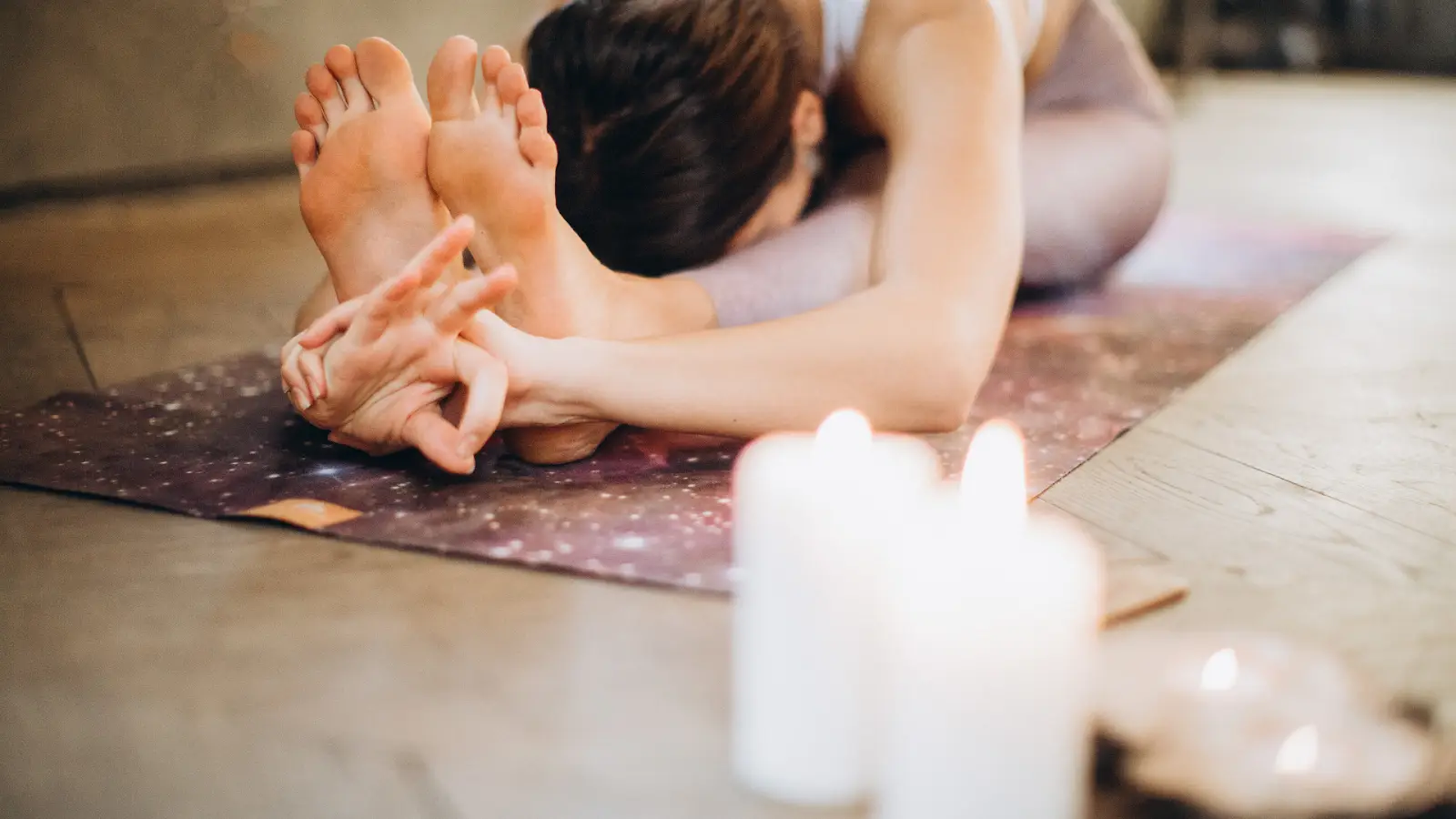
Yin Yoga offers more than gentle stretches; it gives space to slow down, reconnect with the body, and nurture the mind. At Rishikesh Traditional Yoga School, we bring this practice to life by blending philosophy, anatomy, and guided sessions in a way that feels both practical and meaningful.
- Balanced Learning: Classes and teacher training programs include both theory and practice to give a complete understanding of Yin Yoga.
- Experienced Teachers: Our instructors bring years of expertise and personalized guidance to every session.
- Supportive Environment: We provide a space that allows students to practice at their own pace, grow steadily, and feel confident as they deepen their skills.
- Specialized Training: With 50-hour and 85-hour Yin Yoga Teacher Training courses, practitioners can deepen their practice and develop skills to teach others.
We focus on clearing misconceptions about Yin Yoga and highlighting the real benefits this practice brings to both body and mind. For those wishing to go deeper, our courses are open to anyone ready to experience the quiet power of Yin Yoga authentically.
Enroll now, deepen your practice!
Yin Yoga may look gentle, but it carries depth that many people overlook. Misconceptions often stop practitioners from experiencing its benefits. It is not just lying down, not only for flexible people, and not the same as restorative yoga. Yin is a practice of patience, resilience, and subtle strength.
Approaching Yin Yoga with an open mind allows it to complement more active practices and bring balance into life. With guidance from experienced teachers, like those at Rishikesh Traditional Yoga School, anyone can experience how Yin Yoga supports both physical well-being and mental clarity.