
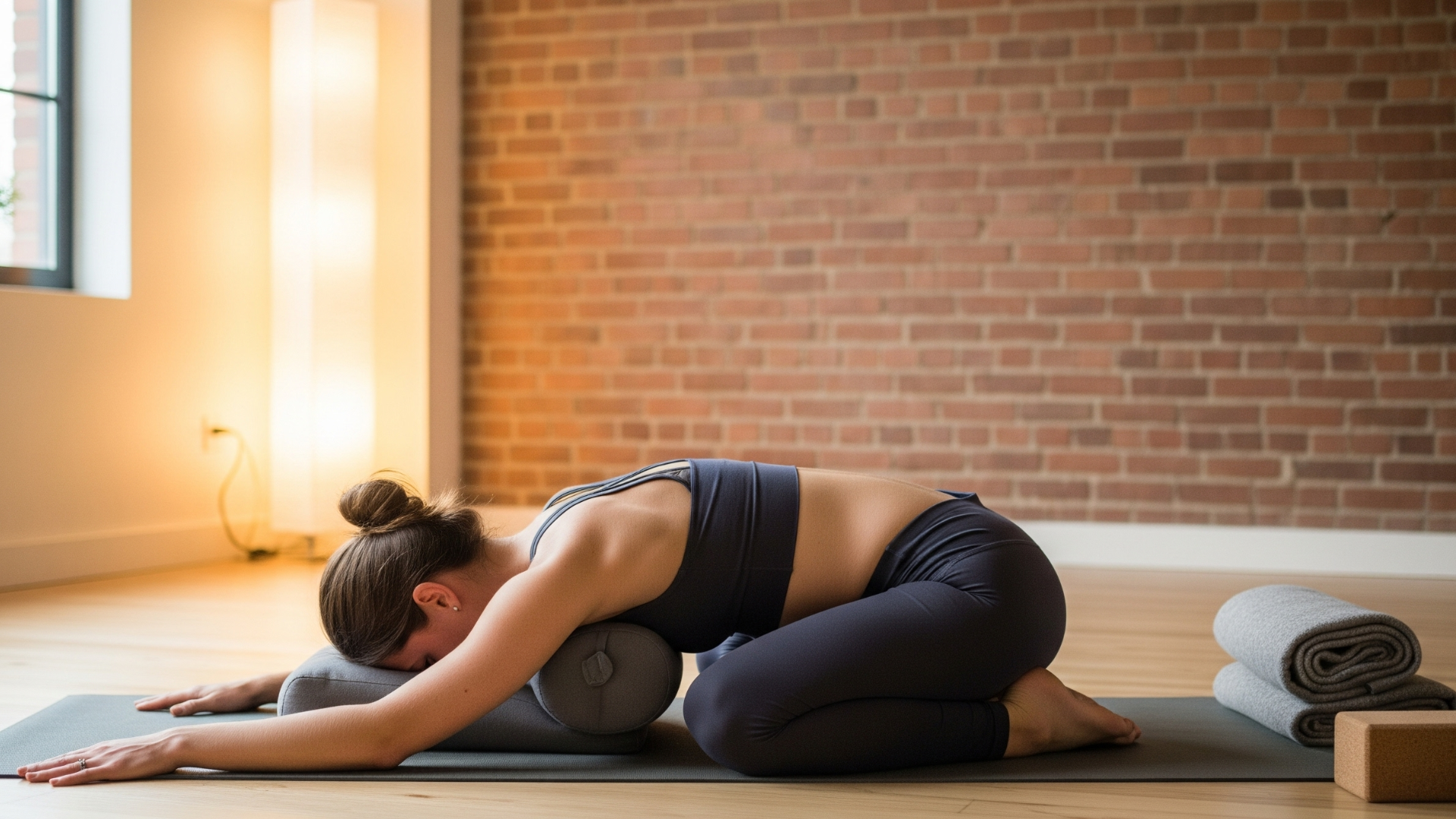
Yin Yoga is steadily gaining popularity among yoga practitioners, teachers, and wellness enthusiasts. Unlike dynamic yoga practices that focus on strength and flow, Yin Yoga is a slow, meditative style that works deeply into connective tissues, joints, and ligaments.
By holding poses for longer durations it encourages stillness, reflection, and a deeper connection with the body and mind. Its rising demand can be attributed to the balance it brings between physical health, emotional well-being, and mental clarity.
Many practitioners are now turning to Yin Yoga as a means to reduce stress, support flexibility, and cultivate inner calm amidst a busy lifestyle.
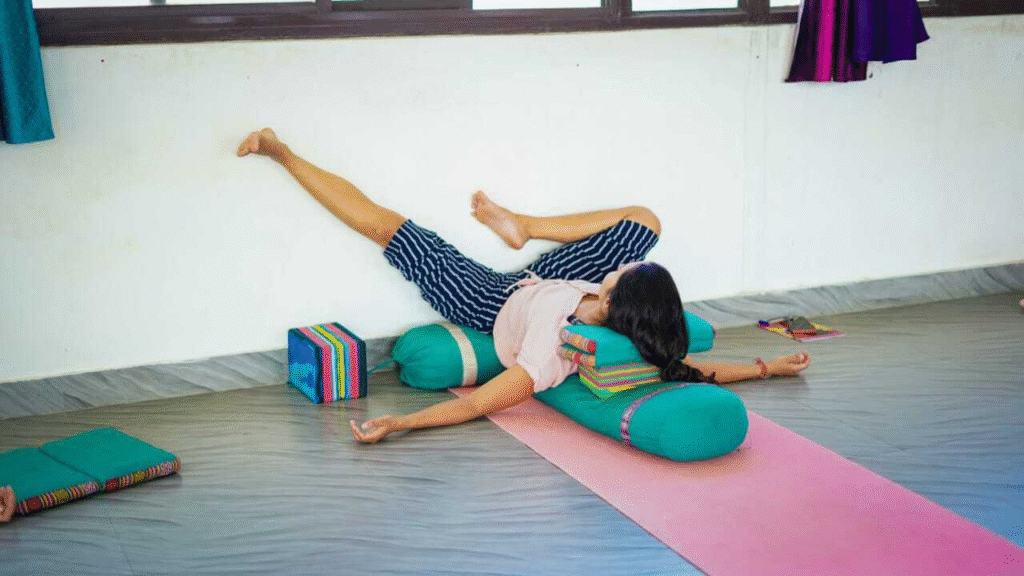
What Makes Yin Yoga Different
While most yoga styles are dynamic, involving active movement and strength-building, Yin Yoga takes a different path. Instead of flowing rapidly through poses, it invites stillness and patience.
Characteristics of Yin Yoga
- Long-held postures: Postures are typically maintained for 3–7 minutes.
- Passive practice: Muscles stay relaxed while gravity and time do the work.
- Focus on stillness: Encourages inner quiet and reflection.
- Targeting deep tissues: Improves joint mobility and flexibility.
- Meditative approach: Builds patience and emotional balance.
These qualities make Yin Yoga a practice that goes beyond exercise, giving people space to reconnect with themselves.
Advice: If you’re short on time but still want to gain a strong foundation in Yin Yoga, a 50-hour Yin Yoga Teacher Training is the perfect starting point. It introduces you to the core principles, postures, and sequencing methods while giving you the confidence to integrate Yin Yoga into your practice or teaching.
Why More People Are Choosing Yin Yoga
The rising interest in Yin Yoga can be explained by a mix of physical, mental, and lifestyle reasons.
1. Balance to Dynamic Practices
Many practitioners who follow strong, active yoga styles or other forms of exercise find that Yin Yoga brings balance to their routine. It provides rest to muscles while stretching and strengthening deeper tissues.
2. Relief from Stress and Anxiety
Yin Yoga’s gentle pace supports deep breathing and mindfulness, helping to calm the nervous system. Practicing Yin Yoga regularly can reduce stress levels, improve sleep quality, and bring emotional stability.
3. Accessibility for All Levels
Yin Yoga does not require advanced flexibility or strength. Props such as bolsters, cushions, and blankets make the practice inclusive for beginners as well as experienced practitioners.
4. Support for Joint and Bone Health
By gently stressing connective tissues and joints, Yin Yoga improves mobility and supports bone density. This makes it beneficial for aging practitioners or those recovering from injuries.
5. Deeper Mind-Body Connection
Longer holds give practitioners time to connect with sensations in the body and observe their thoughts. This creates self-awareness and builds patience, qualities that are highly valued in personal growth.
Note: Yin Yoga is gaining global recognition for its calming and restorative benefits. At Rishikesh Traditional Yoga School, we are proud to offer Yin Yoga Teacher Training in Rishikesh, a practice valued for its relaxing and healing effects. Our training brings together simple theory, practical sessions, and space for self-reflection. In the peaceful setting of the Himalayas, students strengthen their practice while also learning to share the stillness and depth of Yin Yoga with others.
Begin your Yin Yoga training with us now!
Growing Role of Yin Yoga in Wellness
Yin Yoga is now included in wellness programs, retreat centers, and therapeutic settings across the globe. Its integration into health and well-being practices highlights its wide appeal.
Mental Health Benefits
- Reduces symptoms of anxiety and depression.
- Encourages emotional release by holding space for stillness.
- Builds resilience by teaching acceptance and surrender.
Physical Benefits
- Improves flexibility in the hips, spine, and legs.
- Stimulates circulation and energy flow.
- Supports recovery for athletes and active individuals.
Lifestyle Benefits
- Requires minimal effort yet gives deep results.
- It can be practiced at home with little space or equipment.
- Complements meditation practices and breathing techniques.
Gentle reminder: Some of the most popular Yin Yoga poses include Butterfly, Dragon, Sphinx, Caterpillar, and Saddle. Each posture is held for a time, helping the body relax while the mind slows down.
Related Articles:
How to Choose the Best Yin Yoga Teacher Training
How Yin Yoga Supports Mental and Emotional Well-Being
Why Adding Yin Yoga to Your Skills Can Grow Your Yoga Career
Yin Yoga and Its Connection with Inner Stillness
Beyond physical postures, Yin Yoga is deeply tied to the cultivation of inner calm. The stillness in each pose creates conditions similar to meditation. Instead of focusing on constant activity, practitioners learn to simply be present. This quality is increasingly valued by those seeking peace within daily routines that often feel overwhelming.
Tip: Deepen your teaching skills with our 85-Hour Yin Yoga Teacher Training in Rishikesh. Learn advanced techniques, sequencing, and philosophy to guide students into stillness with confidence. Perfect for teachers who wish to expand their offerings and share the calming power of Yin Yoga.
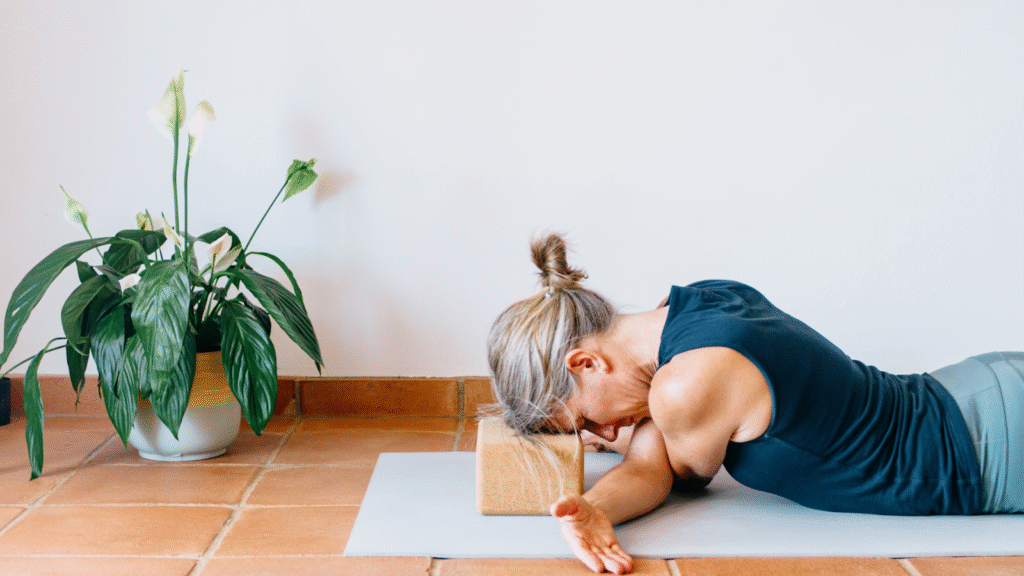
Why Yin Yoga Is Becoming Popular Among Yoga Teachers
Yoga teachers are increasingly adding Yin Yoga to their teaching skills. There are several reasons for this growth:
- Growing demand in retreats and studios: Students request slower, grounding practices.
- Therapeutic approach: Teachers can guide people with injuries, stiffness, or chronic stress.
- Diversity in teaching styles: Adding Yin Yoga makes a teacher’s offerings more complete.
- Long-term teaching sustainability: Since Yin Yoga is gentle, teachers can guide classes without physical strain on their bodies.
How Yin Yoga Fits into Daily Life
Yin Yoga is not limited to long sessions in studios. It adapts easily into daily routines.
- Morning Practice: A short Yin session can prepare the body for the day ahead.
- Evening Ritual: Practicing before bed helps release accumulated stress.
- Work Breaks: Simple Yin postures can counteract stiffness from prolonged sitting.
- Combination Practice: Many people combine Yin with more active styles like Vinyasa or Hatha to create a well-rounded routine.
Its flexibility in practice makes it sustainable and appealing to many.
The rise of Yin Yoga across the globe highlights a shift toward practices that nurture stillness and patience. Its gentle approach makes it inclusive and accessible, while its depth brings lasting benefits to the body, mind, and spirit.
For those wishing to immerse themselves in its practice or share it with others, schools like Rishikesh Traditional Yoga School provide a meaningful path. Yin Yoga is not just another style of yoga; it is a way of slowing down, letting go, and connecting more deeply with oneself.