
Have you ever wondered why chakra-balancing yoga sometimes feels steady and comforting, and other times confusing or blocked? Many people start this practice with sincere intention, but a few small mistakes can slow down progress. These mistakes can disturb the energy flow, create emotional ups and downs, or make the practice feel unclear.
Chakra balancing through yoga becomes calm and meaningful when done with the right mindset. Before starting, it helps to know what habits support your energy and what habits hold you back. Below is a complete guide to the common mistakes people make while working with chakras and simple ways to avoid them.
Why Chakra Balancing Through Yoga Matters
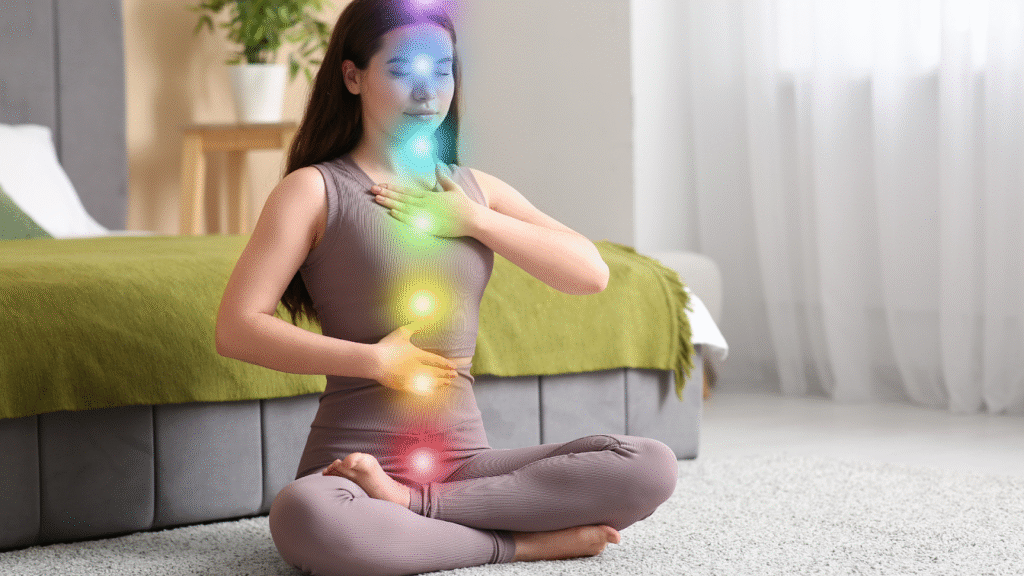
Chakras are energy points that influence how you feel, react, and connect with yourself. When they are steady, you experience clarity, confidence, and emotional ease. When they are out of rhythm, the effects can show up through stress, restlessness, lack of focus, or emotional disconnect.
Yoga supports chakra alignment because each posture encourages movement, breath, and awareness. When practiced with intention, it creates a direct connection between the physical body and the energy system. That’s why understanding the right approach is key to your practice becoming more effective, purposeful, and calming.
Note: Chakra Balance Yoga aligns the body’s energy centers through yoga and meditation, promoting calm, clarity, and balanced energy.
Common Mistakes to Avoid When Balancing Chakras with Yoga
1. Practicing Chakra Yoga Without Clear Awareness of Each Chakra
One of the biggest mistakes is doing chakra-based yoga sessions without knowing the basic qualities of each chakra. You don’t need deep theory, but you should have a simple idea of:
- Where the chakra is located
- What it relates to (grounding, creativity, confidence, compassion, expression, clarity, connection)
- What signs show an imbalance
Many people jump into chakra practices without this simple foundation. This often leads to focusing too much on one chakra while ignoring others. The result is uneven energy flow.
What to do instead:
Learn the basics of each chakra before practicing. Keep the information simple and practical. This helps you choose suitable poses and breathing patterns for each chakra.
Experience inner calm and energy balance at Kundalini Yoga Retreat in Rishikesh, with flexible 3, 5, or 7-day options.
2. Focusing Only on One Chakra and Ignoring the Rest
Some practitioners give too much attention to a single chakra, often the heart or third eye, because these feel emotionally meaningful or spiritually appealing. But chakras work together. If one chakra is overstimulated while another stays blocked, the body and mind feel out of sync.
For example:
- Working only on the third eye may cause restlessness or overthinking.
- Focusing only on the heart chakra can create emotional heaviness.
- Giving attention only to the root chakra may lead to sluggishness.
What to do instead:
Think of chakra work as a system. Start from the root and move upward. Even if you want to focus on one chakra, spend a few minutes stabilizing the others.
Learn how yoga helps remove toxins and restore your inner balance.
3. Practicing With Excessive Intensity
Chakra balancing is not about pushing your limits. Intense stretching, long holds, or fast-paced sessions will not “force” energy to move. In fact, this can create discomfort or anxiety, especially around the chest, solar plexus, and throat areas.
Pushing too hard during asanas or breathwork can disturb natural rhythms and strain the body.
What to do instead:
Practice slowly and mindfully. Chakra yoga responds best to gentle movements, soft breath, and calm attention. Let the energy shift naturally instead of trying to force change.
4. Ignoring Breathwork (Pranayama)
Breath is one of the strongest tools for chakra balance. Yet many people focus only on poses and forget about pranayama.
Without steady breathing:
- Poses lose their grounding effect
- Energy movement becomes inconsistent
- The mind stays restless
Each chakra responds to breath patterns. For example:
- Root chakra likes deep, slow breathing
- The heart chakra responds well to rhythmic breathing
- The throat chakra benefits from calm and steady breaths
What to do instead:
Combine breath with movement. Keep the breath slow, light, and steady. Even five minutes of soft pranayama can make chakra practice far more effective.
5. Skipping Relaxation or Meditation After Practice
Some people finish poses and immediately get up to do something else. This breaks the energy flow and keeps the effects from settling in. After chakra work, your body needs a few minutes to absorb the practice.
Skipping relaxation may also leave you feeling emotionally unsettled or mentally scattered.
What to do instead:
Spend at least 3–5 minutes sitting or lying down quietly. Let your breath soften. This helps the chakras settle and creates a balanced state.
Plan your yoga teacher training in India with clarity – learn about courses, certifications, and retreats.
6. Overthinking Sensations and Forcing Meanings
When people begin chakra work, they often notice new sensations, warmth, tingling, or slight pressure. Some start overanalyzing every feeling and trying to find deep meaning behind it. This interrupts the natural flow of practice and creates unnecessary stress.
Chakra balancing should not feel like a mental puzzle. Sensations come and go naturally.
What to do instead:
Simply observe sensations without labeling them. Keep your focus on breath and posture instead of trying to “read” energy.
7. Practicing Yoga for Chakras Without Grounding the Body First
Starting chakra yoga when the body feels stiff or the mind feels restless can make the practice unsteady. Grounding helps stabilize your energy before moving into deeper chakra work.
Skipping grounding practices like simple stretches, slow breathing, or warm-up movements may cause discomfort in the hips, spine, or chest.
What to do instead:
Begin with gentle warm-up movements and slow breaths. Allow the body to settle. Then move into chakra-specific poses.
Feel the vibration, awaken your energy – how music and gong baths amplify your Kundalini practice.
8. Expecting Quick Results
Some practitioners expect immediate shifts, emotional breakthroughs, clarity, confidence, or a surge in energy. But chakra balancing is a gradual process.
Trying to speed up results often leads to:
- Over-practicing
- Emotional overwhelm
- Fatigue
- Irritation
Chakra work should feel natural and steady.
What to do instead:
Stay consistent. Small daily practices are more effective than long, occasional sessions. Be patient with your progress.
9. Using Wrong Poses for the Wrong Chakra
Another common mistake is using poses that do not actually support the chakra being targeted. For instance:
- Doing strong core poses for the crown chakra
- Using hip-openers for the throat chakra
- Doing heart-opening poses when you need grounding
This won’t cause harm, but it won’t support chakra balance either.
What to do instead:
Use poses that match the chakra.
For example:
- Root chakra → grounding poses
- Sacral chakra → hip openers
- Solar plexus → gentle core work
- Heart chakra → chest openers
- Throat chakra → neck and shoulder release
- Third eye → forward folds and stillness
- Crown chakra → meditation and ease
10. Practicing Without Emotional Awareness
Chakras are linked to emotions as much as physical energy. Ignoring emotions while practicing can block progress.
For example:
- If your heart chakra feels tight, forcing intense backbends may feel overwhelming.
- If your solar plexus feels heavy, pushing too hard can deepen discomfort.
Ignoring emotional signals can exacerbate the imbalance.
What to do instead:
Move slowly and notice how each pose feels emotionally. If any area feels too overwhelming, soften the pose or return to simple breathing.
Related Articles:
How a Yoga Meditation Retreat Can Improve Your Focus
How a Kundalini Yoga Retreat Awakens Your Inner Energy
Does Yoga Help with Flexibility? Benefits and Beginner Tips
How Can Beginners Practice Chakra Yoga Safely and Calmly?
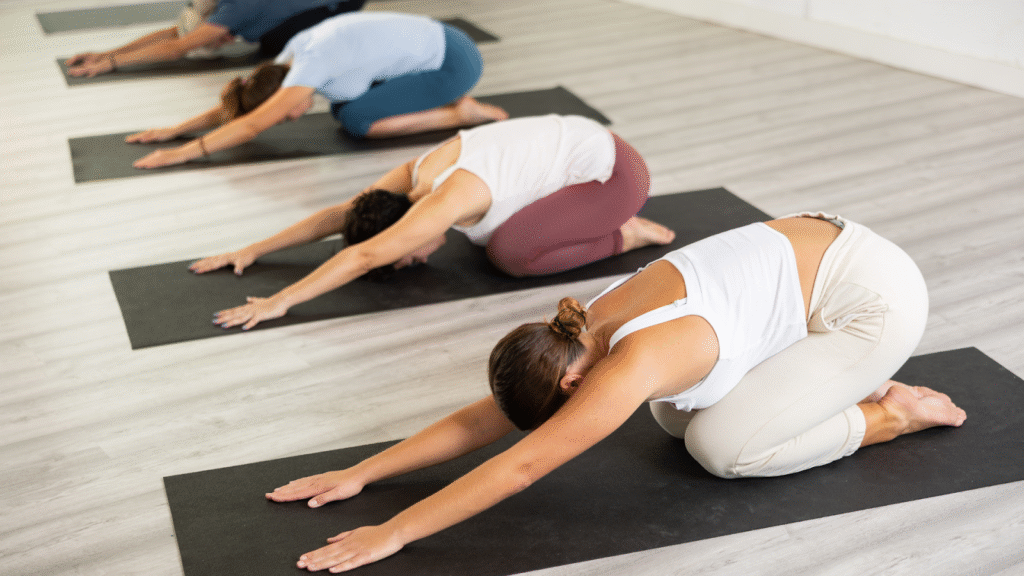
Beginners often look for a simple way to start chakra yoga without feeling overwhelmed. A gentle pace, clear guidance, and a peaceful setting help new practitioners feel steady from the first step. At Rishikesh Traditional Yoga School, we support beginners with a calm approach that keeps the experience smooth and stress-free.
- Clear and easy instructions for every pose
- Soft movements that avoid strain
- Slow breathing to maintain calm energy
- A quiet setting that supports focus
- Step-by-step guidance for steady progress
- Light practice that keeps beginners comfortable
Join our calm and supportive chakra yoga sessions and start your practice with confidence.
Balancing chakras with yoga is a gradual, mindful process. Avoiding common mistakes such as rushing, ignoring breath, skipping chakras, or forcing poses helps you build a steady connection with your energy centers. You don’t need perfection; you need awareness and patience.
With consistent practice and guidance from trusted teachers, chakra alignment becomes smoother, safer, and more fulfilling. Let your journey be calm, thoughtful, and supported by practices that keep both your body and energy balanced.