
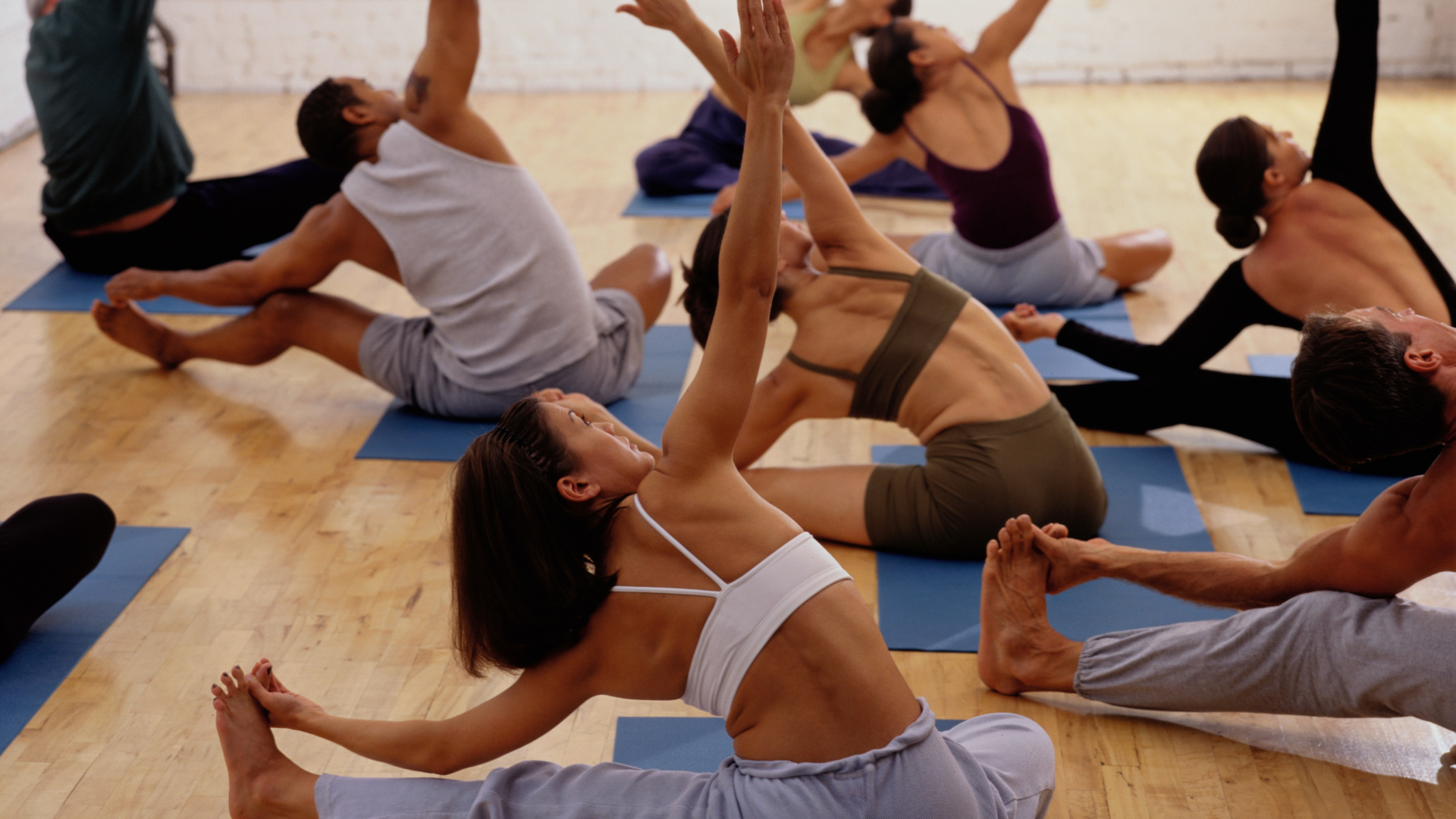
Have you ever felt stiff after sitting for hours or found it hard to reach your toes during a stretch? Flexibility plays a key role in how freely your body moves and how comfortable you feel in daily life.
For many people, yoga has become a go-to practice to improve flexibility, release tension, and promote overall mobility. But how exactly does yoga help with flexibility, and can beginners really notice a difference?
Let’s look into how yoga and flexibility work together, why yoga is so effective for improving movement, and how you can start your journey safely and confidently.
How Does Yoga Improve Flexibility
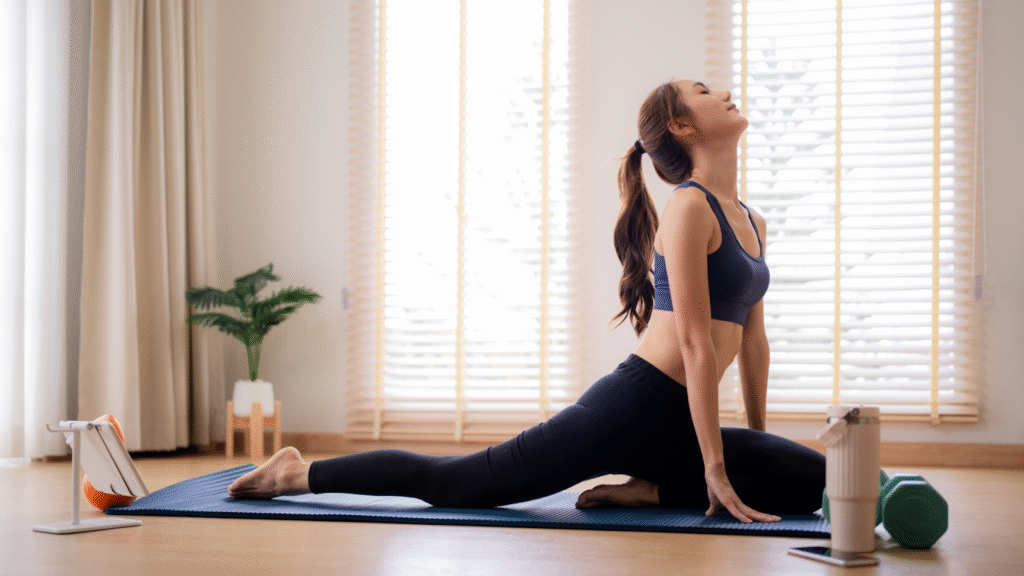
Flexibility isn’t about forcing your body into difficult poses; it’s about gradually increasing your range of motion through mindful movement and breath. Yoga helps improve flexibility by lengthening muscles, loosening connective tissues, and improving joint mobility over time.
Each yoga pose stretches specific muscle groups. For example:
- Forward bends lengthen hamstrings and lower back muscles.
- Hip openers release tension in the pelvis and thighs.
- Backbends strengthen the spine while opening the chest and shoulders.
Unlike fast-paced workouts, yoga encourages you to hold poses for several breaths, allowing your muscles to relax and extend naturally. With consistent practice, your body becomes more supple, movements become smoother, and stiffness gradually decreases.
Find balance and flexibility through mindful practice with the 100 Hour Yoga Teacher Training in Rishikesh, India.
Benefits of Improved Flexibility Through Yoga
Gaining flexibility through yoga offers more than just the ability to move easily; it supports your entire physical and mental well-being.
1. Better Posture and Alignment
Tight muscles can pull the body out of alignment. For example, stiff hip flexors or hamstrings can lead to lower back pain, while tight shoulders can cause poor posture. Yoga releases these imbalances, promoting a natural and upright posture.
2. Reduced Risk of Injury
Flexible muscles and joints move more efficiently and are less prone to strain. By improving body awareness and range of motion, yoga helps prevent common injuries during exercise and everyday activities.
3. Enhanced Athletic Performance
For athletes, flexibility supports smoother and more coordinated movements. It improves balance, endurance, and muscle recovery. Many sports professionals now include yoga in their training for its benefits in flexibility, strength, and mental focus.
4. Relief from Aches and Stiffness
Back pain, tight shoulders, and stiff legs are often caused by muscular tension. Gentle yoga stretches relieve these issues by improving circulation and mobility. Even short daily sessions can ease discomfort and make movement feel natural again.
5. Calmness and Stress Reduction
Flexibility in the body often leads to flexibility in the mind. As the body releases stiffness, the mind feels more open and relaxed. The combination of deep breathing and slow stretching encourages a sense of peace and stability.
Ready to teach yoga? Discover courses, certifications, and retreats in our complete guide to Yoga Teacher Training in India.
Best Yoga Styles for Flexibility
Some yoga styles are especially effective for increasing flexibility because they focus on longer holds, deeper stretches, and mindful breathing. Here are a few to try:
- Hatha Yoga: Ideal for beginners. It involves slower-paced movements that allow time to focus on alignment and breath.
- Yin Yoga: Focuses on deep stretching of connective tissues. Poses are held for several minutes, helping to open the hips, spine, and joints.
- Vinyasa Yoga: Combines movement and breath in a flowing sequence. It builds strength and flexibility simultaneously.
- Restorative Yoga: Uses props to support the body in passive poses. Perfect for releasing deep-seated tension.
Each style can be adapted to your comfort level, making yoga accessible even if you’re starting with limited flexibility.
Awaken your energy, calm your mind, and feel renewed. See how a 7-day Kundalini Yoga Retreat can make a difference.
Beginner Tips for Improving Flexibility with Yoga
If you’re new to yoga, flexibility can feel challenging at first, but progress comes with consistent practice and patience. Here are a few simple tips to help you begin safely.
1. Start Slowly and Be Consistent
Flexibility doesn’t happen overnight. Practicing yoga three to four times a week, even for 20–30 minutes, is far more effective than doing a long session once a month. Stay consistent, and your body will gradually adapt.
2. Warm Up Before Stretching
A brief warm-up helps prepare the muscles for deeper poses. Try gentle movements like Cat-Cow, shoulder rolls, or simple seated twists to increase blood flow before holding longer stretches.
3. Use Props for Support
Props such as yoga blocks, straps, and bolsters make flexibility training more accessible. They help maintain proper alignment and prevent overstretching, especially when starting.
4. Focus on Breathing
Breath is the foundation of yoga. Slow, steady breathing helps the body relax and move deeper into poses. Inhale to lengthen and exhale to release tension. This rhythm supports both flexibility and calmness.
5. Avoid Comparison
Everybody is unique. Comparing your flexibility to others can lead to frustration or injury. Instead, notice your own progress; small improvements each week add up to big changes over time.
6. Include Restorative Poses
Restorative yoga poses, such as Supta Baddha Konasana (Reclined Bound Angle Pose) or Child’s Pose, encourage deep release without force. Holding these poses for several minutes helps the body open naturally.
7. Balance Strength and Flexibility
Flexibility without strength can make joints unstable. Yoga includes both stretching and strengthening, helping build balanced flexibility that supports the body safely.
Note: Flexibility is not just about stretching the body but about finding ease and balance through mindful movement. At Rishikesh Traditional Yoga School, we follow authentic yoga methods that emphasize safe alignment, steady breathing, and gradual progress. With experienced teachers, small class sizes, and serene surroundings by the Ganges, we guide students to release tension, improve mobility, and deepen their practice naturally. Join us and experience authentic yoga in Rishikesh.
Don’t Miss These:
Yoga Alliance 300-Hour YTT Requirements: What You Need to Know
7 Signs You Need a Yoga Retreat
What Is Yin Yoga and How Is It Different from Other Styles?
How Long Does It Take to See Results?
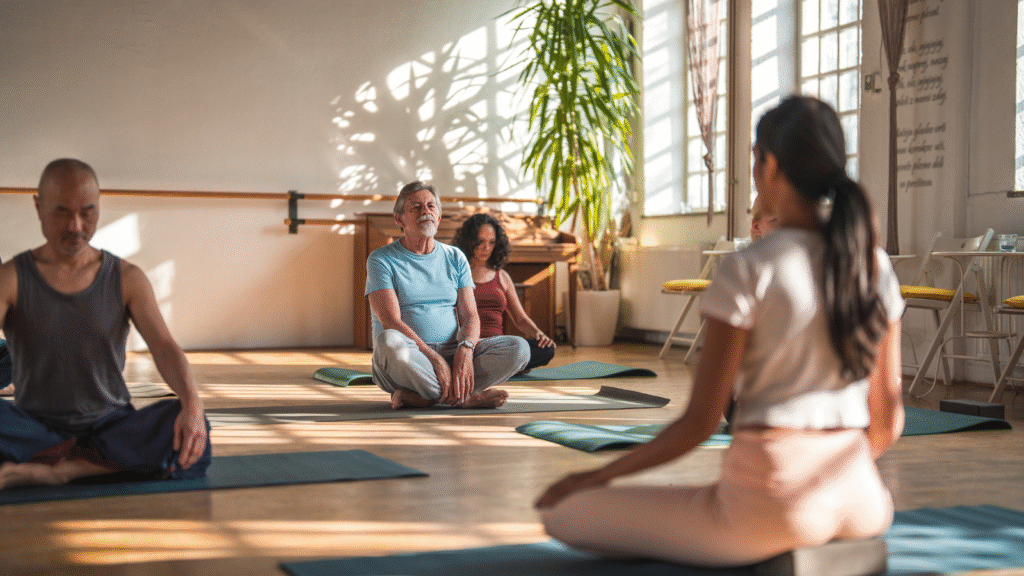
Flexibility improvement depends on factors such as body type, consistency, and age. Many practitioners notice changes within four to six weeks of regular practice. However, yoga is not a quick fix; it’s a steady journey that rewards patience and awareness.
With regular practice, not only will your flexibility improve, but your energy levels, posture, and mental clarity will also grow stronger.
Simple Yoga Poses for Flexibility
If you’re ready to begin, these basic poses can help you improve flexibility safely:
- Downward-Facing Dog (Adho Mukha Svanasana): Stretches hamstrings, calves, and shoulders.
- Seated Forward Bend (Paschimottanasana): Increases flexibility in the spine and hamstrings.
- Low Lunge (Anjaneyasana): Opens the hips and strengthens the legs.
- Bound Angle Pose (Baddha Konasana): Improves flexibility in the inner thighs and hips.
- Bridge Pose (Setu Bandhasana): Opens the chest and strengthens the back muscles.
- Reclined Twist (Supta Matsyendrasana): Releases tension in the lower back and spine.
Practice these poses with slow, steady breathing. Hold each stretch for at least 30 seconds to allow your body to relax and respond.
Yoga provides a gentle, natural, and effective way to enhance flexibility for individuals of all ages and fitness levels. With consistent practice, mindful breathing, and patience, your body gradually becomes more open and free of stiffness.
Flexibility gained through yoga is not about achieving difficult poses but about moving with greater comfort, grace, and awareness in daily life. Start where you are, stay consistent, and let yoga guide your body and mind toward lasting harmony.